.JPG?width=94&height=94&crop=1:1,smart&quality=75)

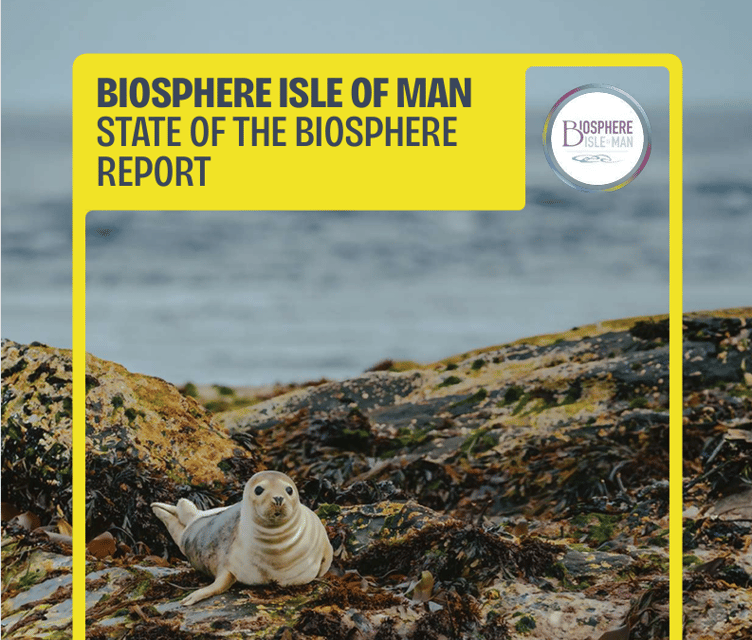
A report marking 10 years since the island became the world’s first whole-nation UNESCO Biosphere has highlighted conservation work and growing partnerships, while identifying areas where further progress is needed.
The Isle of Man’s first decade as a UNESCO Biosphere has brought developments in nature conservation, cultural heritage and sustainable business, but challenges remain as the island awaits a decision on the renewal of its international status next year.
The findings are set out in the ‘State of the Biosphere 2026’ report, published by government-supported organisation Biosphere Isle of Man, which examines changes since the island received its designation in 2016 and sets out priorities for the next 10 years.
The report accompanies the island’s first 10-year periodic review, which was submitted to UNESCO in 2026. The review concludes that the Isle of Man continues to meet the criteria for Biosphere status, with the outcome expected to be revealed in summer 2027.
According to the report, progress over the past decade includes the expansion of marine nature reserves, work to restore peatlands and temperate rainforest habitats, and changes in fisheries management.
The report also highlights the growing role of citizen science, alongside efforts to promote Manx language and culture and encourage more sustainable practices among businesses and communities.
The Biosphere Partner Network has grown to nearly 400 organisations, spanning areas including education, business, conservation and community activity, while all state-run schools are now Biosphere partners.
Despite the progress identified, the report acknowledges that a number of environmental issues remain unresolved.
Some species continue to face serious pressure, while environmental information is fragmented and gaps remain in local research. The report also notes that the benefits of Biosphere status are not equally understood across all sectors of the island’s economy.
Wastewater treatment is among the outstanding challenges, with the report stating that sewage continues to be discharged into the sea in Peel and Garff.
.jpeg?width=209&height=140&crop=209:145,smart&quality=75)

Work on a new wastewater treatment works for Peel began in 2025, while proposals for Garff were still under consideration at the time of the report. Options are also being explored for a long-term solution to contaminated silt at Peel Marina, linked to historic mining and landfill.
The report further highlights tensions surrounding proposed energy infrastructure. While moving away from fossil fuels is central to the island’s climate commitments, onshore and offshore wind proposals have raised concerns about landscape, ecology, fishing and effects on local communities.
In terms of priorities for the next decade, the report encourages stronger coordination across government, clearer public understanding and more secure resources as priorities for the next phase of the programme.
The report also calls for the benefits of Biosphere status to become more tangible for residents, businesses and communities.
The report states: ‘There will be difficult choices. There will be lessons to learn. And there will always be more to discover about the place we live. But perhaps the ambition itself can remain quite simple.
‘Ultimately, the Biosphere is not about a UNESCO designation. It is about the kind of island we want to live in and leave for future generations. A place where people and the rest of nature do not simply coexist, but thrive together.’