
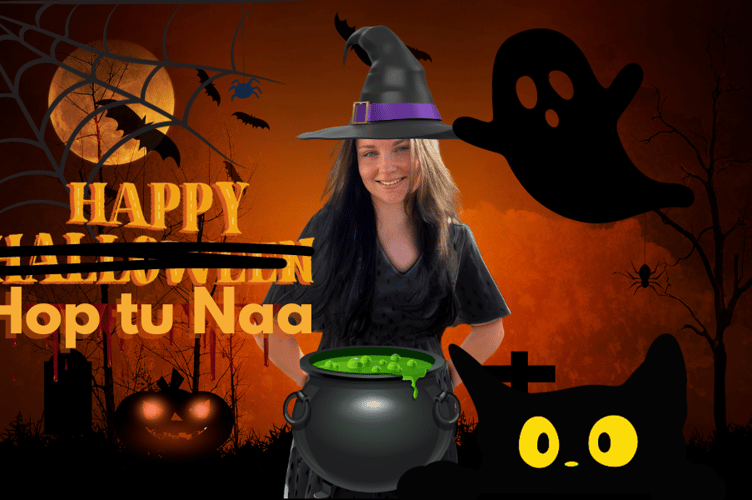
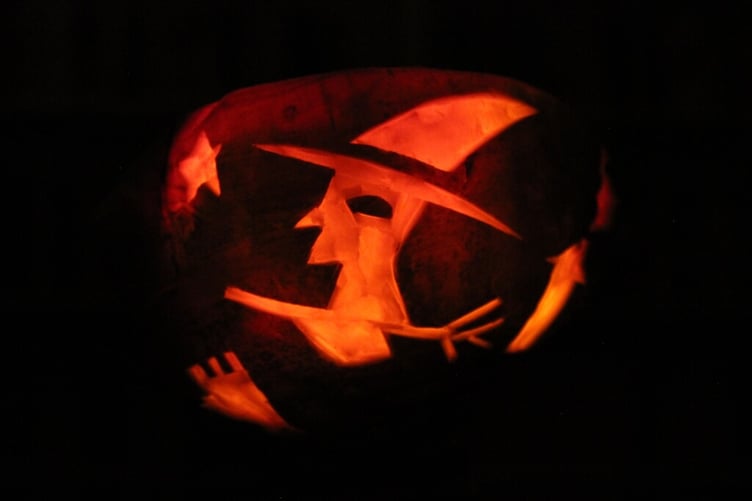
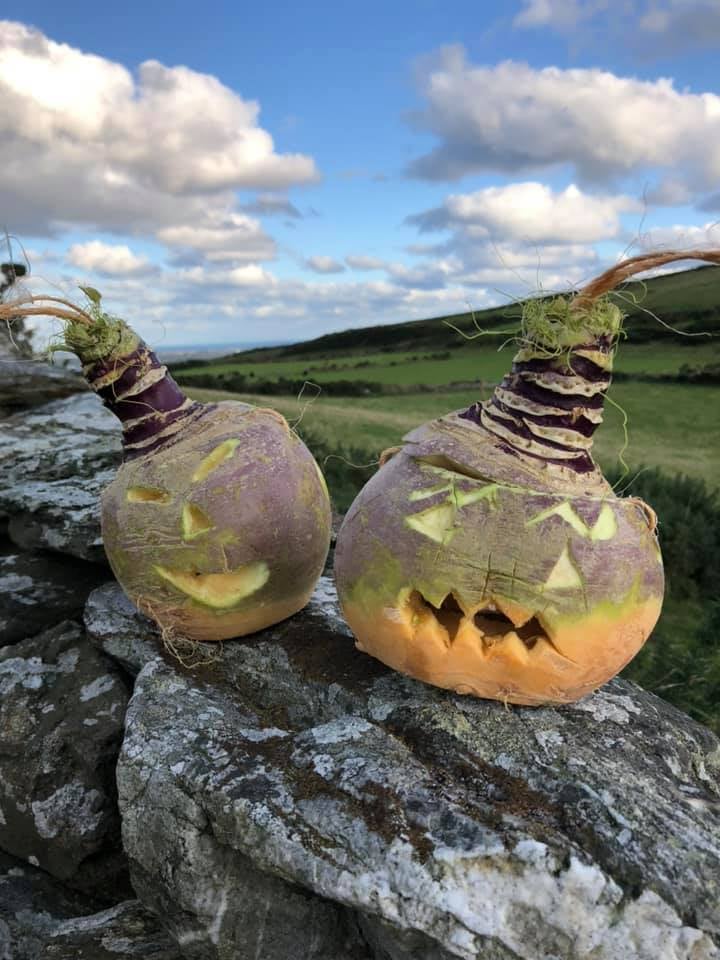
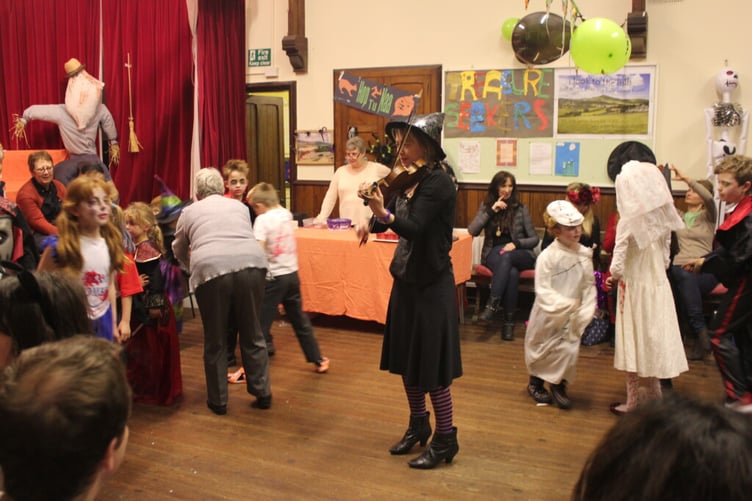
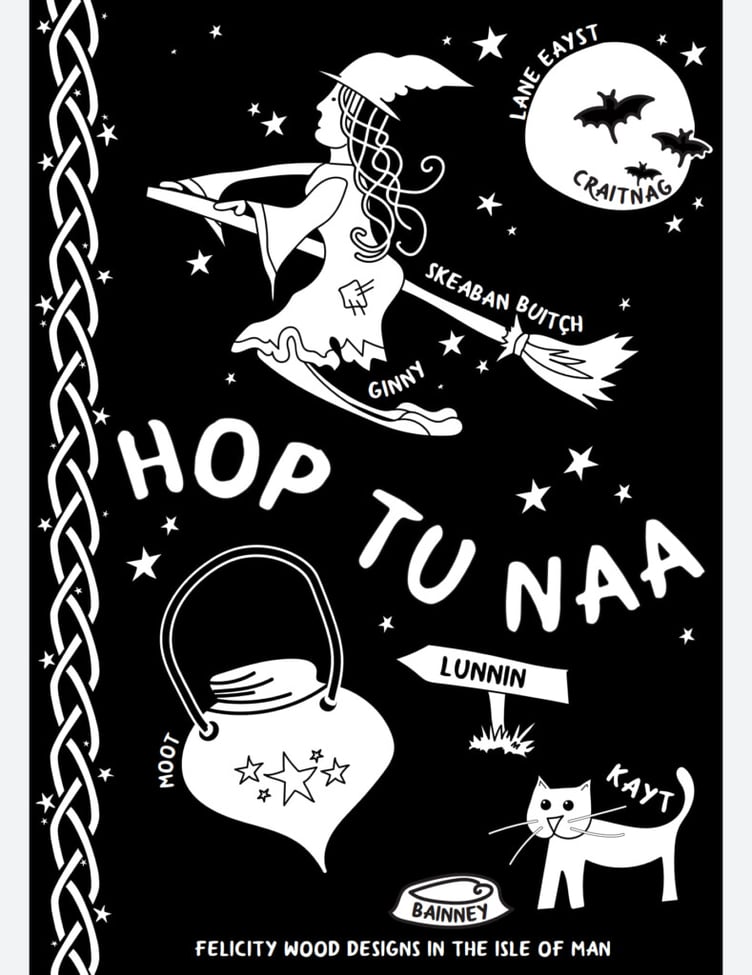
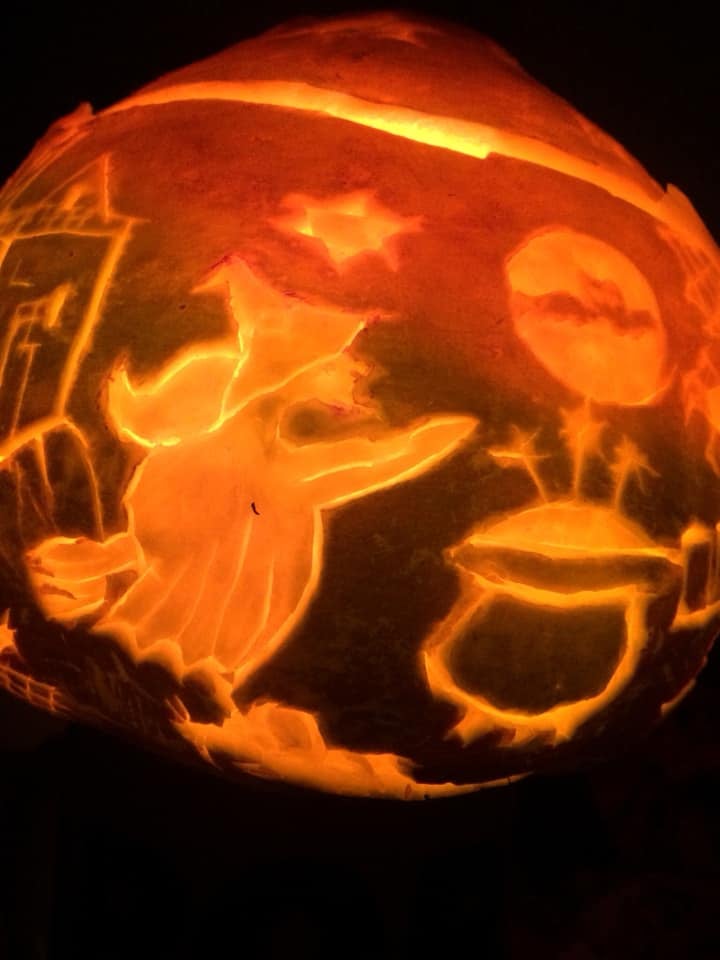
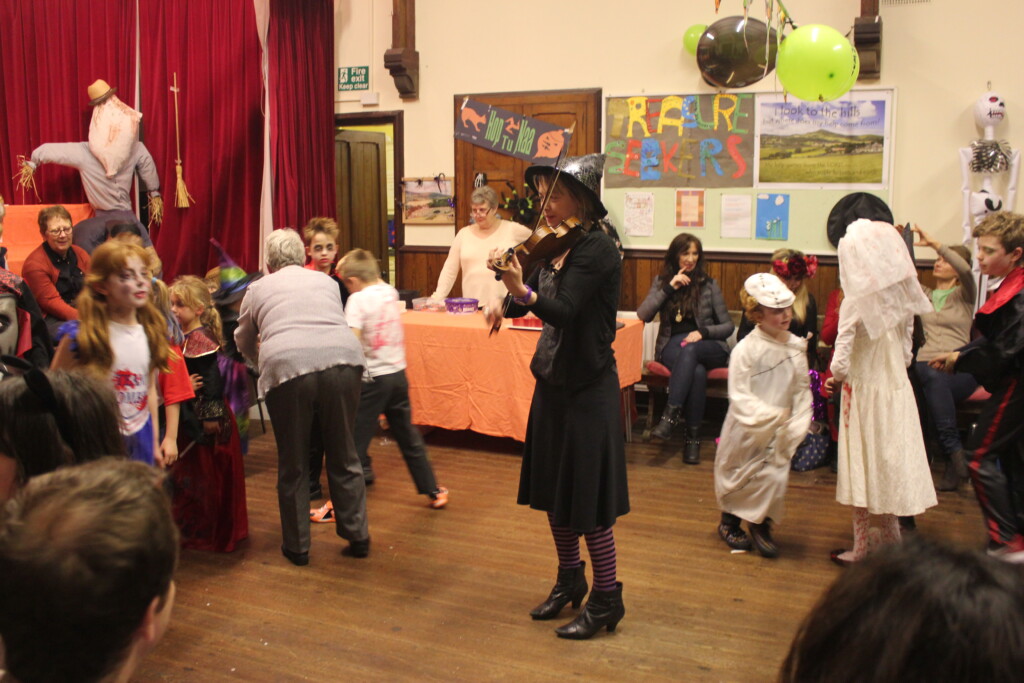
Halloween and Hop tu Naa But why do your mates get so rattled when you say ‘halloween’ instead of ‘Hop tu Naa’? Firstly, Hop tu Naa is an important and long standing part of Manx culture. The traditions I have already insightfully outlined for you (you’re welcome) are a unique part of the oldest continuously existing tradition on the Isle of Man - and that is a big deal! Secondly: turnips. Not pumpkins, those are for losers. You have to have a turnip when you go Hop tu Naa-ing, or else it doesn’t count and you won't get any sweets. The turnip, or ‘moot’ is one of the key features differentiating the Manx tradition from elsewhere. Hop tu Naa turnip (moot) lanterns by Jane Oates (2019), Culture Vannin And thirdly, we know how the Manx love a song and a dance and Hop tu Naa is no exception. There is a whole range of popular folk songs with regional differences unique to Hop tu Naa as well as a traditional folk dance still practised across the island today. If you want to know more about this, Culture Vannin has an amazing Hop tu Naa section on its website. Hop tu Naa dancing and music at an event organised by Maughold Social Club (2016). The instrument is being played by Dr Chloe Woolley. Culture Vannin So, although Hop tu Naa is the Manx equivalent of halloween, it is an important part of our history and culture to keep alive. Who was Jinny? I know what you really want to know is: who was Jinny the Witch who flew over the house to catch a stick to lather the mouse? Hop tu Naa artwork created by local artist Felicity Wood The Manx song, ‘Jinny the Witch’ - still sung today - is based on the real life witch trials of a Manx woman named Joney Lowney.
Joney is thought to have lived in Braddan. There have been many theories and myths about who she was over the years: people in the north claimed she emerged from a bog in Ballaugh and she had green teeth; others thought she came from Cheshire; some said she originated from further afield and literally flew to the island with her sisters.
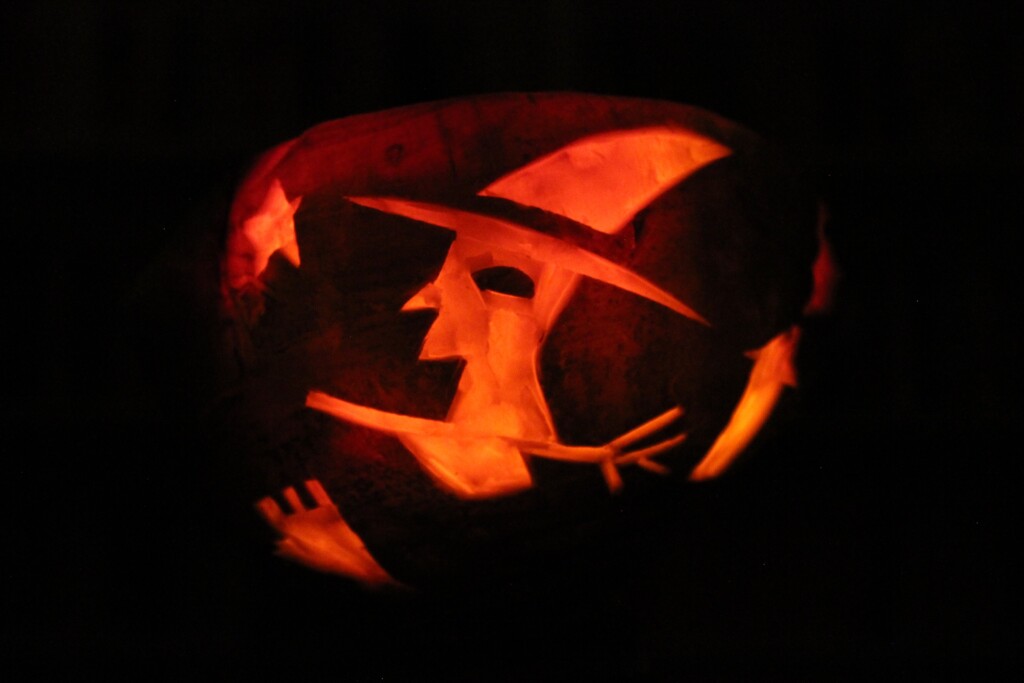
Halloween and Hop tu Naa But why do your mates get so rattled when you say ‘halloween’ instead of ‘Hop tu Naa’? Firstly, Hop tu Naa is an important and long standing part of Manx culture. The traditions I have already insightfully outlined for you (you’re welcome) are a unique part of the oldest continuously existing tradition on the Isle of Man - and that is a big deal! Secondly: turnips. Not pumpkins, those are for losers. You have to have a turnip when you go Hop tu Naa-ing, or else it doesn’t count and you won't get any sweets. The turnip, or ‘moot’ is one of the key features differentiating the Manx tradition from elsewhere. Hop tu Naa turnip (moot) lanterns by Jane Oates (2019), Culture Vannin And thirdly, we know how the Manx love a song and a dance and Hop tu Naa is no exception. There is a whole range of popular folk songs with regional differences unique to Hop tu Naa as well as a traditional folk dance still practised across the island today. If you want to know more about this, Culture Vannin has an amazing Hop tu Naa section on its website. Hop tu Naa dancing and music at an event organised by Maughold Social Club (2016). The instrument is being played by Dr Chloe Woolley. Culture Vannin So, although Hop tu Naa is the Manx equivalent of halloween, it is an important part of our history and culture to keep alive. Who was Jinny? I know what you really want to know is: who was Jinny the Witch who flew over the house to catch a stick to lather the mouse? Hop tu Naa artwork created by local artist Felicity Wood The Manx song, ‘Jinny the Witch’ - still sung today - is based on the real life witch trials of a Manx woman named Joney Lowney.
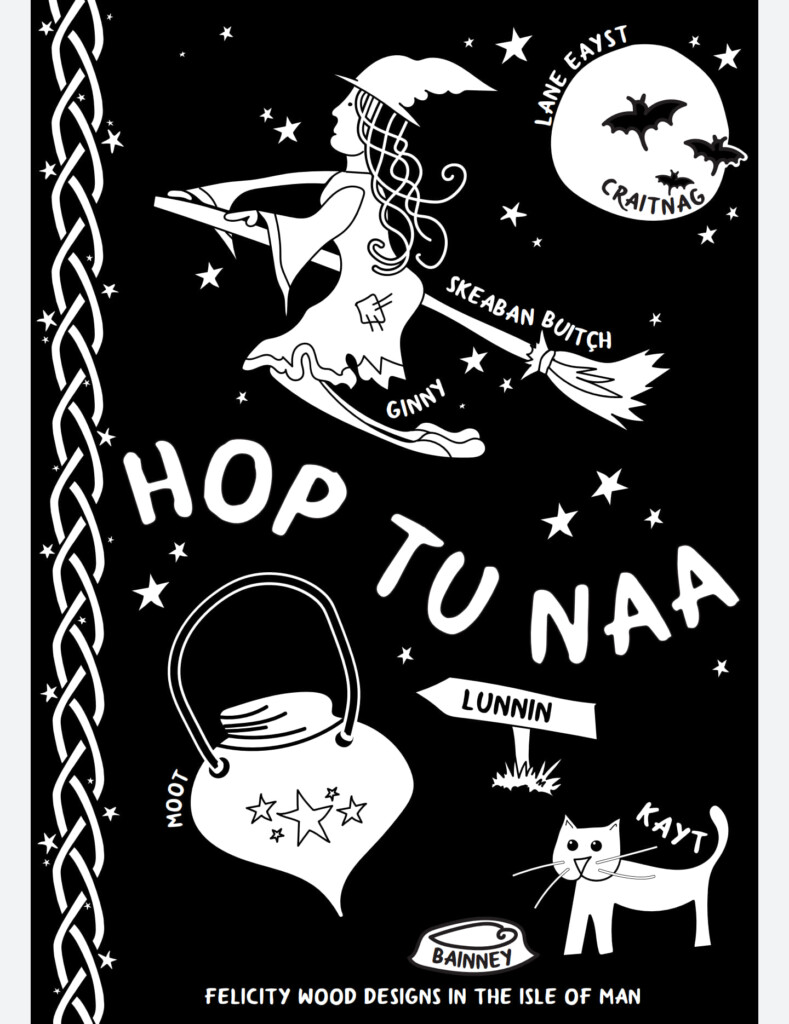
Joney is thought to have lived in Braddan. There have been many theories and myths about who she was over the years: people in the north claimed she emerged from a bog in Ballaugh and she had green teeth; others thought she came from Cheshire; some said she originated from further afield and literally flew to the island with her sisters.



Manx authorities did not have the same appetite for punishing witches as was seen in Scotland and America in the 1700s. It was common during this time for women to be accused of and punished for witchcraft.
But, don’t be afraid of flying witches (or turnips) this spooky season, for Hop tu Naa is traditionally thought to bring good fortune. Phew!