

.jpeg?trim=0,0,3,0&width=752&height=500&crop=752:500)
With polling day now less than a month away, voters across the Isle of Man are preparing to choose the 24 Members of the House of Keys who will represent them for the next five years.
But the island is not one single electorate. It is divided into 12 constituencies, each returning two MHKs, and each with its own character, communities and history.
Arbory, Castletown and Malew
.jpeg?trim=0,74,0,73&width=752&height=501&crop=752:501)
A large southern constituency bringing together the three local authority areas, it also incorporates part of East Rushen and Santon. It includes Castletown, the island’s ancient capital, as well as Ballasalla, Colby and surrounding rural communities.
Ayre and Michael
_edited-yes-(1).jpeg?width=752&height=500&crop=752:500)
Stretching across the north and part of the west coast, Ayre and Michael covers Andreas, Ballaugh, Bride, Jurby, Lezayre and Michael.
Its large geographical area gives it a distinctly rural character, with villages and farming communities spread across the northern plain.
Douglas Central
 ‘Education can't be an afterthought’: Election candidates urged to sign school pledge
-(1).jpeg?width=209&height=140&crop=209:145,smart&quality=75) Can prisoners, care home residents and disabled people vote in the General Election?
Can prisoners, care home residents and disabled people vote in the General Election? ‘What’s the point?’ Young voters reveal mixed feelings over General Election
 Party abandons plans to contest Isle of Man's General Election
At the heart of the island’s capital, this constituency was created from parts of the former Douglas West, Douglas South and Douglas East seats.
It includes areas such as Albany, Ballabrooie, Eastfield, Somerset, Quay and St Georges, bringing together established residential areas and parts of central Douglas.
Douglas East
.jpeg?width=752&height=500&crop=752:500)
Douglas East takes in Crescent, Derby, Strand, Victoria and Windsor, along with St Ninian’s and the length of Douglas Promenade. It is therefore one of the constituencies most closely associated with the capital’s central and eastern districts.
Douglas North
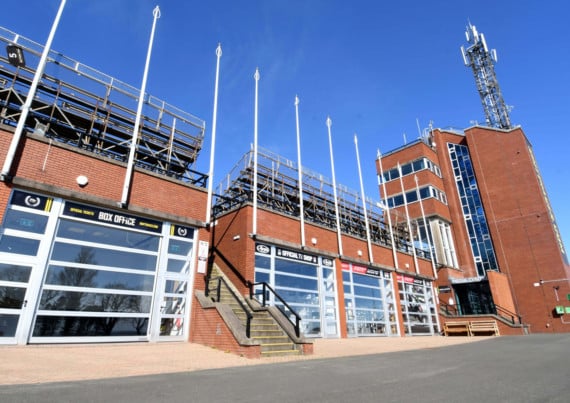
The northern part of the capital includes Willaston and Glencrutchery, together with part of Garden City and a section of Onchan parish. It combines densely populated residential areas with the outskirts of Douglas.
Douglas South
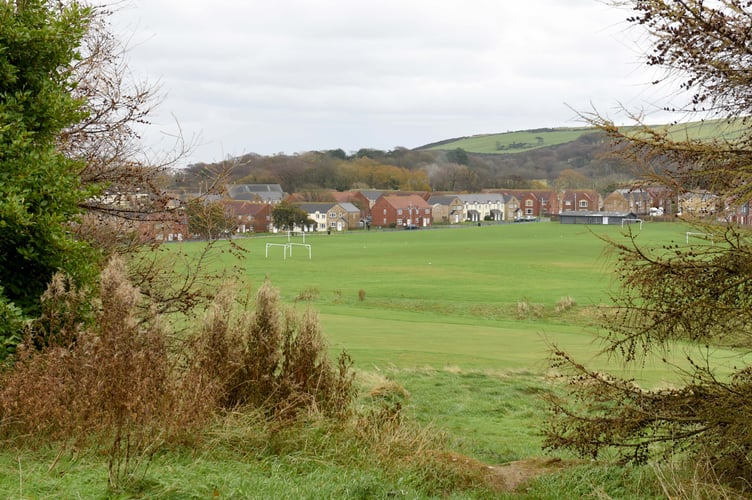
Centred on Anagh Coar, Ballaughton and Pulrose, Douglas South covers a compact but heavily populated section of the capital. Its communities include some of Douglas’s major residential estates.
Garff
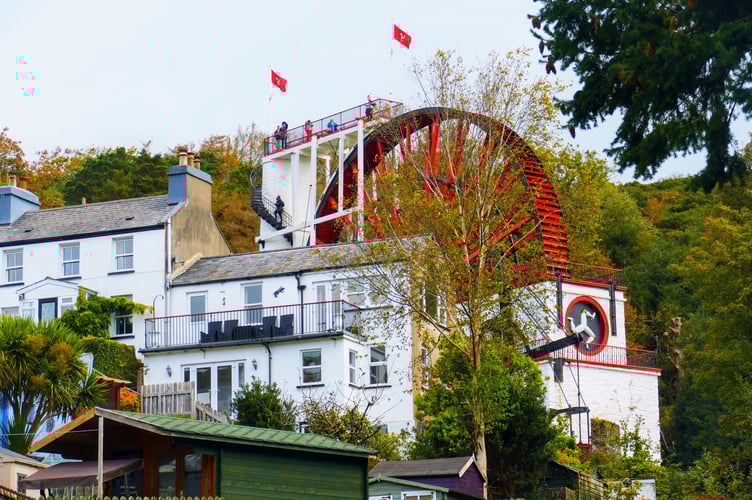
In the north-east, Garff comprises Laxey, Lonan and Maughold, while also taking in most of Onchan parish and part of Howstrake.
It has a strong coastal and rural identity and a notable political history, having once been represented by Sir Charles Kerruish for more than four decades.
Glenfaba and Peel
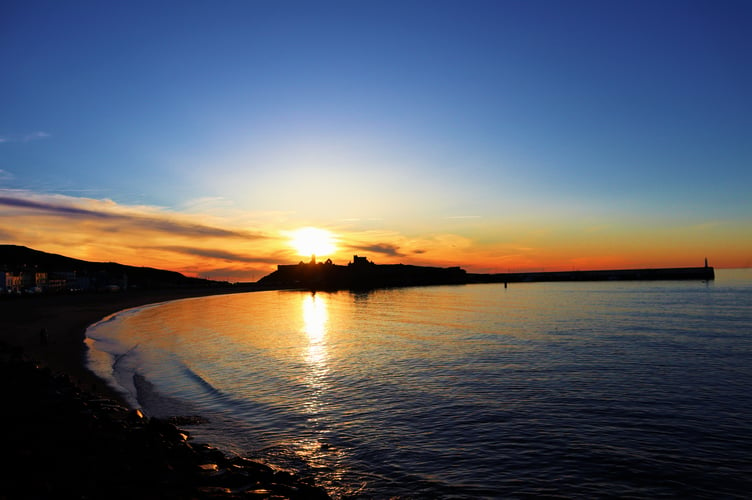
One of the island’s most geographically distinctive seats, Glenfaba stretches down the west coast and includes German and Patrick, Tynwald Hill and Peel.
The historic town is the island’s third-largest, giving the constituency a mixture of rural, coastal and urban communities.
Middle
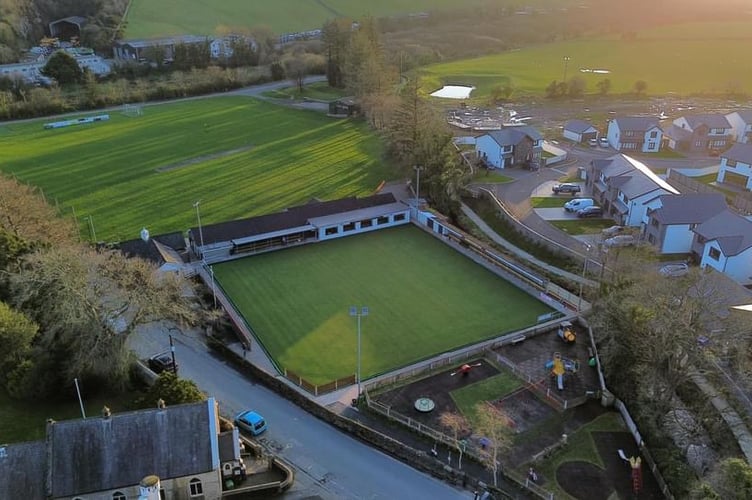
As its name suggests, Middle sits in the centre of the island.
It consists of Braddan and Marown and, since the 2021 boundaries, includes Santon.
It reaches from the outskirts of Douglas into more rural communities and has a coastline to the south-east.
Onchan
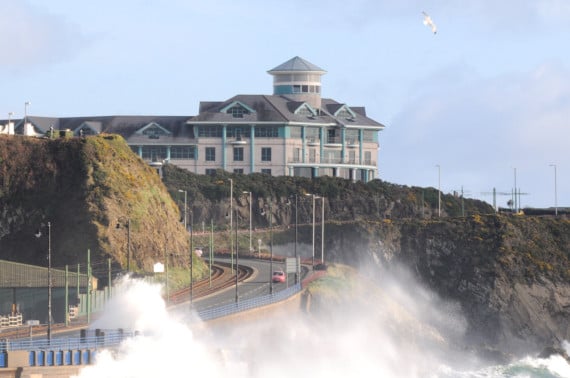
Onchan has been a constituency in its own right since 1986, having previously formed part of Middle.
Inbetween Douglas and Garff, it is home to the island’s second-largest population centre and has a strong village identity despite its proximity to the capital.
Ramsey
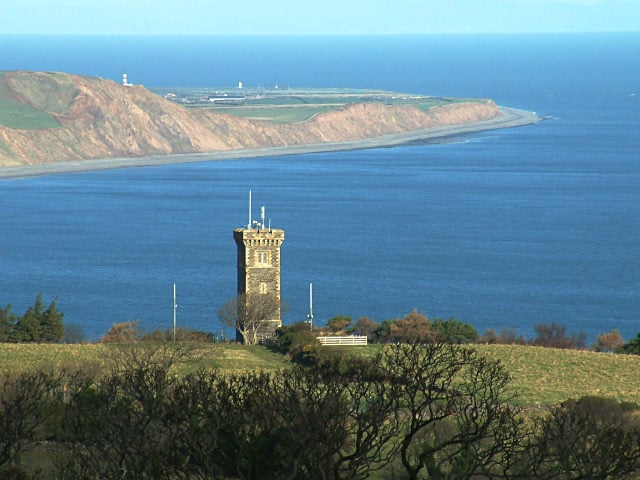
Ramsey sits in the north-east, bordered by Garff and Ayre and Michael.
Known as ‘Royal Ramsey’, its history includes the 1847 visit of Queen Victoria and Prince Albert, which led to the construction of Albert Tower overlooking the town and northern plain.
Rushen
.jpeg?width=752&height=500&crop=752:500)
At the southern tip, Rushen encompasses Port Erin, Port St Mary and most of the parish of Rushen.
It has produced several prominent political figures, including former chief minister Sir Miles Walker and former President of Tynwald Noel Cringle.
Together, the 12 constituencies create a political map that stretches from the capital’s urban streets to the island’s farming communities, fishing towns and rural parishes, with just two seats up for grabs in each on September 24.
Where can you vote on the big day?
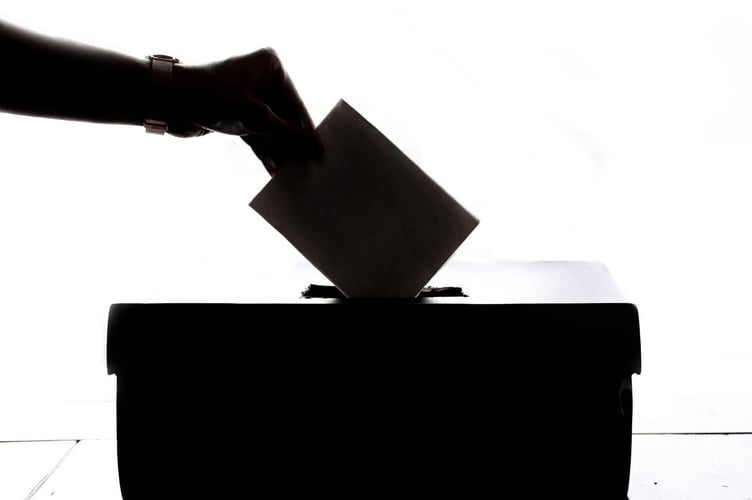
The good news is that you do not have to use one particular polling station.
Voters can cast their ballot at any polling station within their own constituency, giving people some flexibility on the day.
In Arbory, Castletown and Malew, there are five options: Ballabeg Methodist Hall, Ballasalla Village Hall, Castletown Civic Hall, Castletown Royal British Legion and Colby Methodist Hall.
Ayre and Michael also has six polling stations, covering Andreas Parish Hall, Ballaugh Parish Hall, Bride Methodist Hall, Jurby Parish Hall, Kirk Michael Commissioner's Hall and Lezayre Parish Hall.
Across the capital, Douglas Central voters can choose from All Saints Church Hall, the Scout Hut, St Andrews Church and Trinity Methodist Hall.
Douglas East has four options - iMuseum, Manx Youth Band Room, Promenade Methodist Church and Woodbourne House.
For Douglas North, polling stations are at Cronk-y-Berry School and Thie-ny-Shee, while Douglas South voters can use Pulrose Methodist Hall or Scoill Vallajeelt.
In Garff, the four options are Laxey Working Men's Institute, Manx Fun Farm, Maughold Church and Onchan Methodist Church.
Glenfaba and Peel voters can choose between Foxdale School, Glen Maye Methodist Hall, Peel Centenary Centre and St Johns Methodist Hall.
In Middle, polling stations are at Crosby Methodist Hall, Port Soderick Hall, Santon Old School and The Roundhouse.
Onchan has three options: Sight Matters, The Hub and Velo Café at Ocean Views.
In Ramsey, voters can use Quayle's Hall or The Old Courthouse, while Rushen has three choices: Ballafesson Methodist Church, Port Erin Methodist Church and Scoill Phurt Le Moirrey.
So, wherever you live, it is worth checking your constituency and choosing the polling station that is most convenient for you.
With 24 seats and two MHKs to elect in each constituency, September 24 will be a significant day for the island, and your vote matters.
For more information on the 2026 House of Keys General Election, including voting arrangements, constituency information, the electoral register and previous election results, visit elections.gov.im.
Alternatively, if you need more support, the Crown and Elections Team is the main contact. They can be contacted by email at [email protected] or by phone on 01624 685754.