.JPG?width=94&height=94&crop=1:1,smart&quality=75)

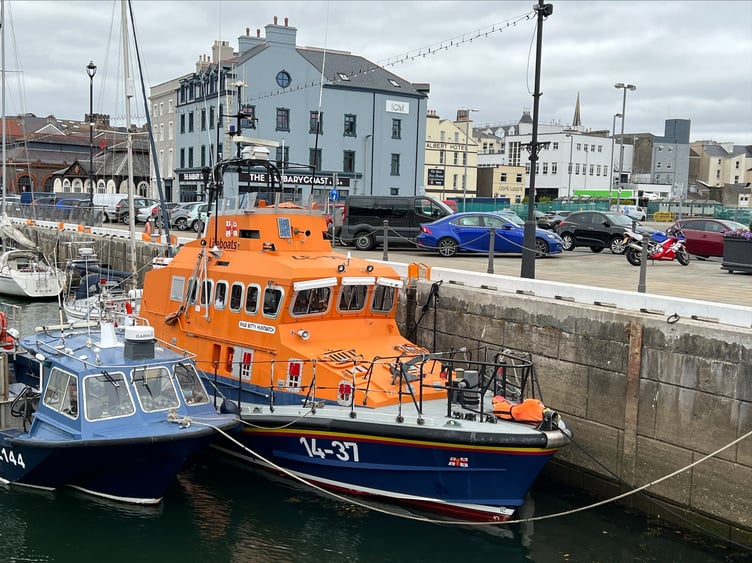
Douglas is to receive a new Coastal Lifeboat as part of changes to the Royal National Lifeboat Institution’s (RNLI) fleet, which will also see Port St Mary lose its ageing Trent-class vessel.
The RNLI has confirmed that the allocation of the new Coastal Lifeboat to Douglas has been finalised, although work continues to identify suitable ‘shoreworks solutions’.
Back in May, planners approved an application for the RNLI to change the use of the Manx Marine building on the Tongue into a new crew base.
The charity’s volunteers were working from temporary premises at Battery Yard near the former lifeboat station. The slipway and boathouse at the capital’s historic lifeboat station has not been used since 2018 as it requires extensive structural repairs. Indeed when the charity’s lease expired, it was returned to the government.
The lifeboat itself has not been operational since November last year. Trent class lifeboat, the Betty Huntbatch, was only delivered to Douglas in August but then left not long after for Fleetwood, where she is undergoing maintenance before becoming a back-up vessel in the RNLI’s relief fleet.
At Port St Mary, a decision has been made not to replace the station’s Trent-class all-weather lifeboat when it reaches the end of its operational life. The station will continue operating its D-class inshore lifeboat, with support from other lifeboat stations around the island.
The decisions form part of the RNLI’s long-term ‘Lifeboat Fleet Strategy’, which sets out a 15-year plan to ensure the charity has the most appropriate lifeboats in the right locations to meet changing demands on its lifesaving services.
The second phase of fleet changes, scheduled to take place between 2028 and 2030, will affect 24 of the charity’s 238 lifeboat stations around the UK and Ireland.
As part of the programme, the Trent-class all-weather lifeboat, which entered service in 1994, will be gradually withdrawn from the fleet by the end of 2028.
The RNLI said the way people use the coast and the water was changing, while demand for its rescue services continued to grow.

-(4).jpeg?width=209&height=140&crop=209:145,smart&quality=75)
.jpeg?width=209&height=140&crop=209:145,smart&quality=75)
Data collected by lifeboat crews, lifeguards and partner organisations shows that most incidents attended by the charity’s lifeboats fall within the operational capabilities of an inshore lifeboat.
Between 2017 and 2024, 98% of RNLI lifeboat responses took place within 10 nautical miles of the shore. A further 1.8% were between 10 and 25 nautical miles offshore, while 0.2% took place more than 25 nautical miles from the coast.
The charity responded to 9,058 operational services in 2025, more than three-and-a-half times the level of activity anticipated 50 years ago.
Peter Sparkes, RNLI Chief Executive, commented: ‘The RNLI has constantly evolved and improved our service over 202 years.
‘We make evidence-based decisions and strive to ensure that we have the right lifeboats in the right places, at the right time to save as many lives as possible around the coast of the UK and Ireland and, crucially, to enable us to bring our selfless, dedicated people home safely.
‘We are responding to the changing nature of lifesaving at sea by adapting our service to ensure it is fit for our nations' future needs. What will never change is our charity’s purpose, to save lives at sea and our mission, to save every one.
‘We have a responsibility to our volunteer crews to make sure we are providing them with the most capable lifeboat, personal protective equipment and best training to enable them to save lives at sea as safely and effectively as possible.’