
-pictured-alongside-Bob-Carswell.png?trim=0,0,0,0&width=752&height=501&crop=752:501)
Each month, a Manx Gaelic speaker from the Gaelic Broadcasting Committee contributes a column accompanied by a short English summary.
This month, well-known Manx Radio presenter Bob Carswell reflects on his own journey learning the language and the family connections that first sparked his interest in Manx...
Ta sleih çheet er y Ghaelg myr 'Çhengey ny Mayrey', as shen myr v'ee, ayns aght, er-my-hon. Va my voir ruggit ayns Skylley Vaghal – Corteen, myr v'ee, va ruggit ayns Balley Corteen - as tra v'ee shiaght bleeaney dy eash ren y lught-thie scughey gys gowaltys elley ayns Skyll' Vreeshey.
Tra v'eh er my haner scuirr veih'n eirinys, ren eh scughey back gys Skylley Vaghal, gys thie ren ad enmyssey 'Maynrys'. Myr shoh va fys aym dy row y Ghaelg ayn veih'n traa va mee feer aeg, lesh thie my warree (myr haink eh dy ve lurg baase my haner) enmyssit 'Maynrys', as dinsh my voir dou ny va'n bun jeh shen.
Va 'Maynrys' rieau cree y clane lught-thie, as ennym lane-chooie er-coontey shen.
Ec y traa shen, ayns traa y lambanid aym, va kiyt goll stiagh magh thie my warree, as va my huyr shinney geearree fer jeu. Cha row my ayr as my voir ayns foayr jeh kayt 'sy thie ain, agh nagh beagh y huyr aym mollit, ren ad reaghey dy gheddyn budjee.
Ta budjeeyn jannoo arrish jeh ny t'ad dy chlashtyn, as myr shoh ta sleih aa-raa fockleyn as goan roo, as my vees shen taghyrt mennick dy liooar ta'n budjee jannoo arrish jeh'n ockle ny jeh'n raa shen.
Ren my voir ynsaghey y budjee ain dy yannoo arrish jeh ny fockleyn 'sy Ghaelg, 'Kanys ta shiu? Braew braew.'
Er-lhimmey jeh ny earrooyn gys jeih, cha row'n Ghaelg ec my voir. Er-lhiam's dy dooar ee ny earrooyn as 'Kanys ta shiu? Braew braew' veih lught-thie carrey eck tra v'ee traenal dy ve ny boandyr ayns Thie-lheihys Noble.
Veagh caa er ve eck dy ynsaghey paart dy Ghaelg tra v'ee aeg, er yn oyr dy row y lught-thie baghey ayns Skyll' Vreeshey as va enn oc er Chalse as Annie Kneale as er John Tom Kaighen.
Agh 'sy lhing shen cha nee agh fir yeean son y Ghaelg va cur geill da'n aght va foast paart dy leih ayn as y Ghaelg oc. S'cosoylagh eh nagh row fys erbee ec my voir dy row paart dy naboonyn ayn as y Ghaelg oc, as cha row veg cur brod jee dy ghoaill tastey jeh'n ghlare.
Son shen as ooilley, son oyr ennagh va coip jeh 'Lesoonyn Toshee 'sy Ghaelg' liorish Edmund Goodwin 'sy thie ain, as va mee jeeaghyn er y lioar shen dy mennick veih'n traa tra va mee mysh shiaght ny hoght bleeaney dy eash, as va mee smooinaghtyn – cre'n fa cha dod mee gra – dy row ee yindyssagh.
Cha dod my voir insh dou yn aght dy ockley magh ny va mee dy akin. Ayns aght ennagh, foddee dy row mee fakin cummaghyn y ghlare er y duillag, ec y chooid sloo, eer mannagh row ad ayns my veeal.
Va my warree gra dy row yn ayr eck gra reddyn 'sy Ghaelg rish y voir eck, as dy row e moir toiggal, agh nagh row ee gra veg 'sy Ghaelg. Shenn skeeal ee, my te, dy row ad jannoo ymmyd jeh'n Ghaelg dy reayll reddyn follit veih ny paitçhyn.
Chammah's shen, v'eh jeeaghyn dy row paart dy voyrn ec ayr my warree ass y Ghaelg. V'eh ny er ynsee ayns scoill Doonee ny Saasilee, as 'sy thie Jedoonee v'eh lhaih magh da'n lught-thie meeryn ass y Vible. Agh ny yeih, cha row eh son ynsaghey veg jeh'n Ghaelg daue.
Va sym feer vooar aym tra hooar mee coip jeh shenn lioar 'sy Ghaelg ayns thie my warree. Va shen er jeet veih lught-thie my haner. Ec y traa shen va mee er n'ynsaghey yn aght dy hoiggal earrooyn 'sy Ladjin, as va'n date shoh MDCCLXIII. Va mee goaill yindys dy row y lioar cho shenn as 1763, as she'n 'Conaant Noa' v'ayn.
Ga dy row paart dy leih ec y traa shen noi'n Ghaelg, va my warree gra dy row eh rieau myr craue beg ayns e cleeau nagh row caa er ve eck dy ynsaghey ee tra v'ee gaase, ga dy row ee eer 'sy lught-thie eck hene.
Ny s'anmee, va my voir çheet gys ny brastylyn Gaelgagh va mee dy chummal, as myr shoh ayns aght haink ee reesht dy ve 'Çhengey my Vayrey'.
***
The Manx language is called 'The Mother Tongue' because it was passed down by the women of the family to their children, even when their menfolk were Scandinavian or English speakers.
In a way, that is the way it was with me in our family. It was from my mother that I first heard just a few words in Manx, particularly when she taught our budgie to mimic them.
At the time my mother was growing up, there were Manx speakers in the neighbourhood, but they were known to the family just as part of the community. The fact that they were amongst the surviving people who spoke Manx was not general knowledge – nor, indeed, would it have been of general interest to many people at the time.
Although my mother had only a few words in Manx – the numbers up to ten and the phrase, 'Kanys ta shiu? Braew braew,' meaning 'How are you? Quite well' – we had a copy of Edmund Goodwin's 'First Lessons in Manx' in the house.
From the age of about seven or eight – for reasons I couldn't have explained at the time – I thought it was wonderful, so perhaps I got to see the shape of the language on the page, even if I didn't get to hear it.
My maternal grandmother was not taught Manx by her father, though he spoke it and used it to say things to his wife that he did not want the children to understand. My grandmother said she herself always regretted not learning Manx. In her house, from my grandfather's family, there was a copy of the New Testament in Manx, published in 1763.
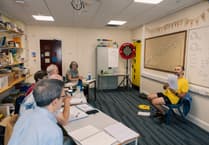
Later my mother used to come to classes I was holding, so in a way it again became 'My Mother's Tongue'.
Comments
This article has no comments yet. Be the first to leave a comment.