.JPG?width=94&height=94&crop=1:1,smart&quality=75)

The Isle of Man Government is encouraging residents travelling overseas to follow official health advice to reduce the risk of methanol poisoning from contaminated alcohol.
The issue was raised in a written Tynwald question by Douglas East MHK Joney Faragher, who asked the Minister for the Cabinet Office what measures his department and Public Health are taking to help protect international travellers.
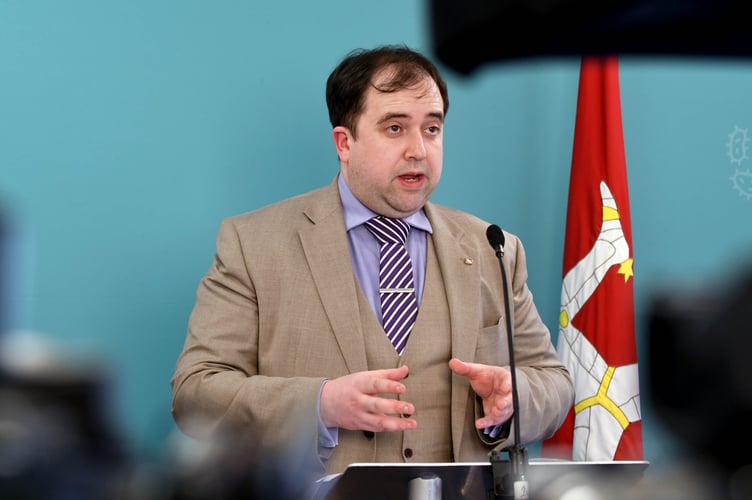
In his written response, Cabinet Office Minister David Ashford said Public Health is encouraging travellers to follow guidance issued by the UK Health Security Agency (UKHSA), the Foreign, Commonwealth and Development Office (FCDO) and other international health organisations where methanol poisoning has been identified as a risk.
‘Isle of Man residents should access the latest UK travel health advice before travelling, including information on methanol poisoning and other health risks,’ Mr Ashford said.
‘Current guidance is available through UKHSA and FCDO Travel Aware resources, which provide advice on recognising the symptoms of methanol poisoning and seeking urgent medical attention if exposure is suspected.
‘More generally, travellers are encouraged to take sensible precautions when abroad, including purchasing drinks only from reputable licensed premises, avoiding counterfeit, unlabelled or homemade alcohol, and exercising caution with drinks that appear suspiciously cheap.’
He added that travellers should also take steps to reduce the risk of drink spiking by keeping drinks under supervision, avoiding drinks offered by strangers and remaining aware of their surroundings.
Recent cases of methanol poisoning have drawn international attention, particularly following a series of fatal outbreaks linked to contaminated alcoholic drinks in popular tourist destinations.
Health authorities have reported additional methanol poisoning outbreaks in several regions, including Turkey, Jordan and parts of Latin America.



.jpeg?width=209&height=140&crop=209:145,smart&quality=75)
‘Public Health will continue to raise awareness of travel health risks and signpost residents to authoritative guidance to help them make informed decisions and stay safe when travelling overseas,’ Mr Ashford said.