

The Isle of Man's Suicide Prevention Strategy will be refreshed in the first three months of 2027, following questions about the effectiveness of existing support services.
Cabinet Office Minister Chris Thomas confirmed the timetable in the House of Keys after Douglas East MHK Joney Faragher called for a review of the strategy, particularly the provision of a fully resourced and connected Suspected Suicide Rapid Response Team.
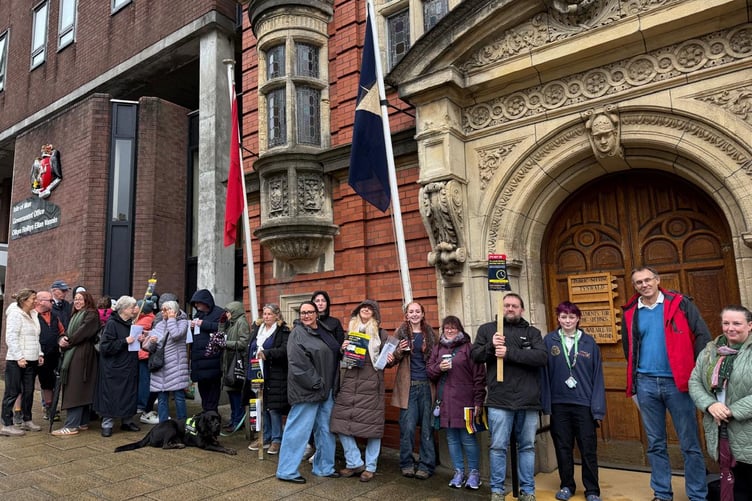
The exchange follows a protest outside Tynwald on October 20, organised by mental health campaign group ManxPACT.
Campaigners called for greater government action on suicide prevention, improved crisis support, increased investment, community hubs across the island and a duty clinician scheme for the crisis team.
The issue has also been examined by the Social Affairs Policy Review Committee, which reported in July that the island's suicide rate had exceeded England's in 13 of the 16 rolling three-year periods examined.
Responding to Ms Faragher, Mr Thomas said: ‘Every death by suicide is a profound loss, with an impact that extends far beyond the individual.
‘Families, friends, colleagues and wider communities are often left facing devastating grief and unanswered questions.’
He said the island already had an operational Suspected Suicide Rapid Response Group, established in 2021.
‘This brings relevant agencies together to identify emerging risks following suspected suicides and co-ordinate timely preventative and postvention interventions,’ he said.
Mr Thomas also confirmed that a dedicated postvention service had operated through the Children's Centre since autumn 2025.
 Why the Isle of Man's Chief Minister prefers a Manx title to his official English one
 Government reveals its priorities for the next five years in new 'Charter for Change'
 Hundreds of parents back campaign to keep smartphones out of children's hands
 Just four officers carrying out initial immigration and sponsor checks on Isle of Man
He said it provided ‘proactive, timely outreach and ongoing support to individuals and families bereaved by suicide’.
However, Ms Faragher questioned how effectively the existing arrangements were working.
Referring to Public Health information highlighting an increase in suspected suicides in recent months, she said: ‘I really want to focus this conversation around whether vulnerable people are getting the support that they need.’
She asked what information was collected through real-time suicide surveillance, how quickly it was shared and what action followed when a suspected suicide was identified.
Mr Thomas said the government's annual report on the existing strategy had identified progress alongside gaps requiring further work.
He confirmed that the strategy would be refreshed during the first quarter of 2027, with consideration given to improving intelligence, co-ordination and earlier intervention.
Any improvements would be prioritised according to evidence and population need.
The revised strategy will be developed alongside government agencies, third-sector organisations, communities and people with lived experience.
Ms Faragher also pressed the minister on whether the updated strategy would include measures to assess the effectiveness of rapid response arrangements.
She suggested monitoring how quickly support was offered following a suspected suicide, how many people were reached, the timeliness of interventions and whether those affected received appropriate help.
The MHK also questioned whether the findings would be published, allowing Tynwald members and the public to scrutinise the service's performance.
Mr Thomas acknowledged the importance of monitoring ‘inputs, outputs and outcomes’ and undertook to circulate information he considered appropriate.
Comments
We've recently changed our login process. If you have an account for commenting, you will need to re-register on the login window.
This article has no comments yet. Be the first to leave a comment.