

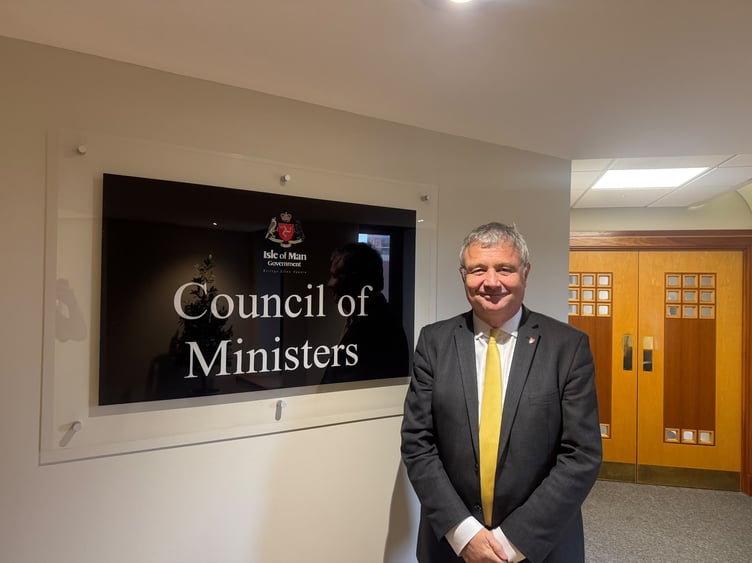
Chris Thomas says that becoming Chief Minister was not part of his grand political plan.
In fact, when he was campaigning to represent Douglas Central at September’s general election, his pitch to voters was that he wanted to become Treasury Minister.
So when he emerged as the island’s new political leader, after securing the support of 16 MHKs, some people were quick to describe him as the ‘accidental’ Chief Minister.
If the ‘accidental Chief Minister’ label catches on, it will not be the first unusual nickname Mr Thomas has acquired in politics.
In 2020, after being sacked as Minister for Policy and Reform by then Chief Minister Howard Quayle, he joked on Twitter (now X) that he identified as a ‘designated survivor’ - a reference to the Netflix political thriller in which an obscure Cabinet member unexpectedly becomes US president after an attack wipes out the country’s political leadership.
This new description Mr Thomas appears comfortable with.
‘I’m very pleased to be Chief Minister, but it was circumstances after the election,’ he says.
In an interview with Isle of Man Today in his new office at Government Buildings, Mr Thomas reflects on his first few weeks in the role, the people he considered for ministerial positions and the priorities facing his new administration.
Building a government around change
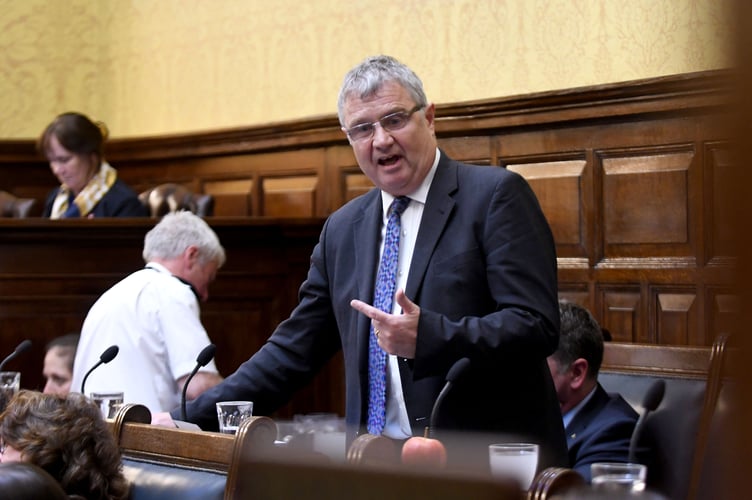


Mr Thomas’s route into the top job was not what he had originally expected, but he says the work of putting together the new administration began before he formally declared himself a candidate.
He spent several days talking with colleagues in the House of Keys, trying to understand what mattered to them and what they believed voters wanted to see changed.
Those discussions continued after his election as Chief Minister, with MHKs working together on the government’s framework and programme for the next five years.
‘My Chief Minister manifesto is important to me. It’s what I put before them,’ he says.
‘But it’s very important that what the people voted for around the island gets into the government priorities.’
Mr Thomas says the administration’s priorities should reflect the mandates of all elected representatives, rather than being dictated by one person.
He also believes the previous administration struggled when it came to establishing a clear collective direction.
He recalls previously saying that the former Chief Minister had become ‘a prisoner in his own Council of Ministers’, arguing that policy was not always clear on certain issues.
His focus now, he says, is on establishing a pragmatic government that can agree what it wants to achieve each year and deliver on those priorities.
The phrase ‘mandate for change’ has featured prominently since the election. For Mr Thomas, the important question is how that translates into improvements in people’s lives.
Kirree Jenkins and Alf Cannan considered for roles
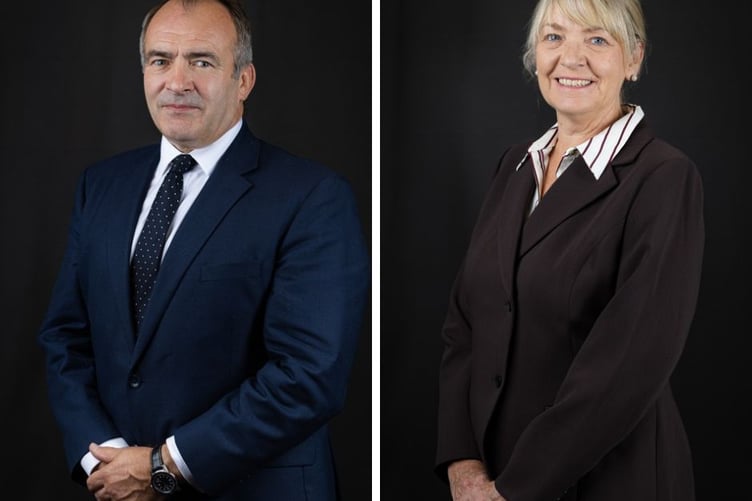
Forming the new administration has involved deciding not only who should serve as ministers, but also which MHKs could make a contribution from within individual departments.
Mr Thomas says he spent four days speaking with colleagues to understand their interests, experience and ambitions before making decisions.
He says Arbory, Castletown and Malew MHK Kirree Jenkins, who stood against him in the Chief Minister election, was considered for ministerial positions both before and after the vote.
‘It was definitely a possibility,’ he says. ‘We talked about her being a very important minister in various places before the Chief Minister election and after the Chief Minister election.’
Former Chief Minister Alf Cannan was also considered for a role, although he has not joined the new administration as a departmental member or in another capacity.
Mr Thomas says he held discussions with Mr Cannan, as he did with other MHKs, about possible roles.
He acknowledges there was resistance among some members of the House of Keys to Mr Cannan returning as Treasury Minister, given his previous experience in the post.
The new Chief Minister is also keen to recognise those who have chosen to become departmental members, saying some could have been ministers but have instead opted to work from within government.
He argues that these members have taken on additional work without receiving extra pay, because they want to help deliver change.
Mr Thomas rejects the suggestion that having more MHKs involved in government necessarily means less scrutiny. He points to the role of scrutiny committees and says those who have joined departments should be credited for their willingness to get involved.
Big expectations for infrastructure
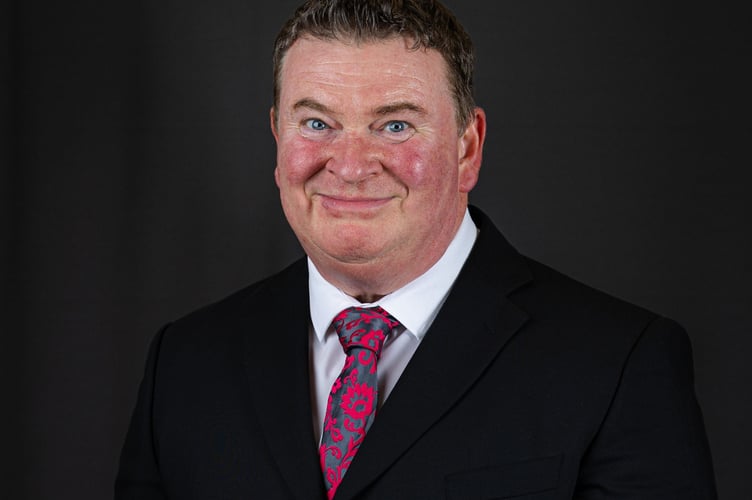
One of the key appointments is Jason Moorhouse as Infrastructure Minister, taking responsibility for a department facing challenges across roads, transport, harbours and aviation.
Mr Thomas describes Mr Moorhouse as a natural fit, pointing to his longstanding interest in the department and his experience as a departmental member.
He hopes the administration will leave behind better harbours, an improved airport and air and sea services that work better for the public.
There will also be a focus on maintaining and renewing infrastructure, alongside potential improvements to highways around Balthane and the A5.
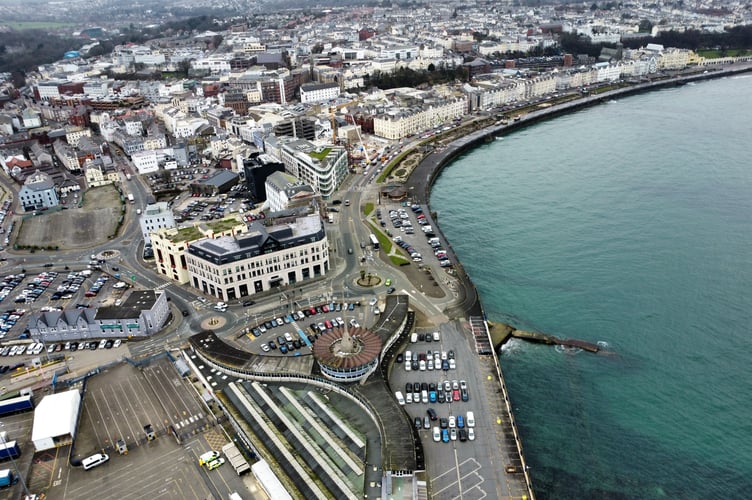
Mr Thomas says there are also major projects to deliver in Douglas.
Although Mr Moorhouse is serving as a minister for the first time, the Chief Minister believes his experience means he is well placed to take on the role.
The wider aim, he says, is to have people in government who are prepared to get involved and deliver, rather than simply observe from the sidelines.
MONEYVAL and the island’s reputation
Beyond domestic policy, the Isle of Man’s upcoming MONEYVAL assessment remains a major priority.
Mr Thomas says he has already taken three bills through the House of Keys during 2026 and recruited board members for regulators. He also points to his participation in the Strategic Industry Forum, involving representatives from industry.
He says he expects the island to be in a good position at the beginning of next year, but stresses that meeting international standards is essential.
‘It’s absolutely vital. There’s no shortcuts to it,’ he says. ‘We’ve got to operate international standards.’
He says the work is important not only to protect the island’s reputation, but also to support its economy, public revenue and the services funded by it.