

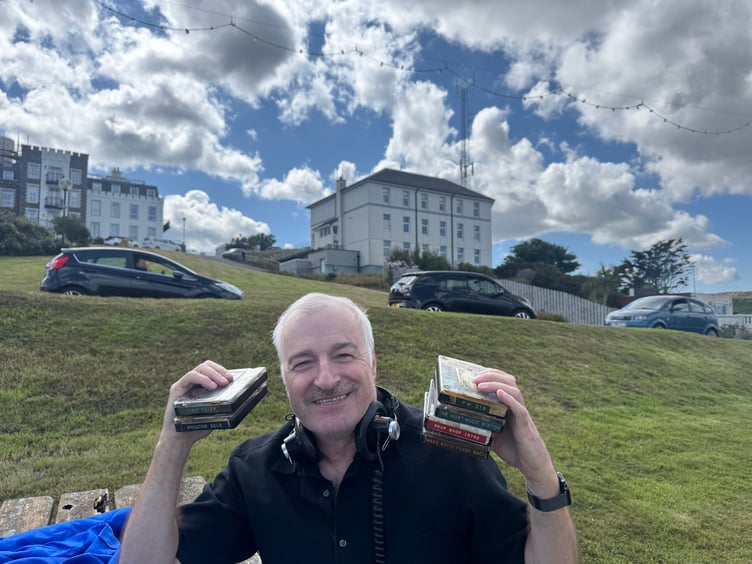
When Paul Moulton walked through the doors of Manx Radio as a teenager, soaked by the rain and dressed in his school uniform, he could not have imagined where a career in broadcasting would take him.
Now, around 50 years later, the broadcaster and journalist has worked for organisations including the BBC, Border Television, Granada and Isle of Man Television - interviewing politicians, public figures and island residents while documenting decades of change.
But despite being semi-retired, Paul’s fascination with news and current affairs has not disappeared.
He continues to produce podcasts and videos, including his regular discussions with former MHK Chris Robertshaw, while also sharing archive footage from his years covering life on the Isle of Man.
Born in London, Paul moved to the island when he was 13 years-old and immediately became captivated by Manx Radio.
‘There was nothing like it in the UK,’ he said. ‘There was no commercial radio.’
After completing a GCSE (then O-level) project on the station, he began working there during school holidays, making tea and coffee and helping wherever he could.
His enthusiasm eventually led to Saturday work on a sports programme before he was offered a full-time job as a station assistant after leaving school.
Although he began behind the scenes, Paul knew he wanted to be on air.
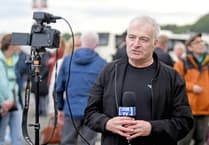



‘I’m not exactly got the best voice, and I speak too fast and all that,’ he said. ‘But you just know when you do something - you just know you can do it.’
He later presented the programme Night Fever and went on to work across radio and television.
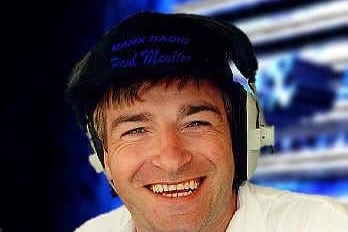
A chance opportunity eventually led him behind the camera for Border Television before he was asked to step in front of it.
‘Just getting the job was a highlight,’ he said.
Paul later worked with the BBC and Granada before spending around nine years with Isle of Man Television.
During that time, he embraced the opportunities offered by the internet, helping to bring news to audiences more quickly than traditional television broadcasts allowed.
‘Once the internet was invented and we were the first to use it, I was right at the front of the queue,’ he said.
However, he believes the rise of smartphones and social media has fundamentally changed journalism.
‘These days, I wouldn’t bother going down to a car crash because everyone else has got the better pictures,’ he said. ‘Everyone’s a journalist to some degree.’
Paul remains a vocal critic of the current direction of Manx Radio, which receives an annual government subvention of £1.3 million funded by taxpayers, and believes the station has moved too far away from its roots in speech-based programming.
‘Manx Radio is a really special thing,’ he said.
He believes the station should offer a stronger mix of music, news and discussion, similar to a BBC local radio service.
‘Over the years, they’ve dropped almost all of their big, solid speech content,’ he said.

Paul also has concerns about the growing use of artificial intelligence in journalism and broadcasting.
He believes there is already too much ‘cut and paste’ journalism and worries that AI-generated content could further weaken standards.
‘I think you should not be scared of asking questions,’ he said. ‘It’s an inquiring mind.’
He added that journalists must remain willing to challenge people in positions of power rather than simply repeat official statements.
Now semi-retired, Paul continues to follow the news closely and enjoys having more freedom to express his own views through his podcasts with Mr Robertshaw.
‘You can take your foot off being completely neutral and have an opinion,’ he said. ‘That is quite nice sometimes.’