
The UK’s Competition and Markets Authority (CMA) has been investigating the veterinary sector since 2023, and last week the changes it recommended came into force as legally binding measures.
These changes follow the CMA’s finding that veterinary fees have risen at almost twice the rate of inflation in recent years, with pet owners not being given enough information about either their veterinary practices or the price of treatments.
The main changes are as follows:
- Price transparency: fewer than 40% of practices have their prices published on their websites. Where they are mentioned, they can be hard to find and cover the bare minimum of services. Now vet practices will have to publish a comprehensive price list for standard services, including consultations, common procedures (such as microchipping), written prescriptions, and pet cremations.
- Price in advance: only 29% of clients have historically been given price information in writing for non-routine treatment. Now vet practices must provide a written estimate in advance for any treatment expected to cost £500 or more (including aftercare costs) plus an itemised bill. Emergencies are the only exception.
- Is it a chain? Less than half of people using a large veterinary group know that their practice is part of a chain. Now vet practices must make it clear whether or not they are independent with clear onsite signage and online messaging.
- Prescriptions: many practices charge more than £30 for a written prescription, and don’t advise their client that the medication being prescribed could be purchased more cheaply online. Now there is a cap on fees of £21 for the first medicine and £12.50 for any additional ones; and vet practices must advise clients if cheaper medicines may be available online.
- Comparison tools: henceforth, all vet practices must make price and ownership information available via the Royal College of Veterinary Surgeons’ ‘Find a Vet’ service, which will share the data with third party comparison sites.
- Pet cremation: vet practices must provide clear, upfront prices for all cremation options including any add-ons (such as paw prints), and offer the lower cost option of a communal cremation.
Other significant changes include improvements to complaints processes; having a written policy in place to ensure vets offer independent, impartial advice (rather than being incentivised to cross-sell specific services); and ensuring that ‘pet health club’ schemes demonstrate that they offer value for money for individual pets and their specific needs.

.jpeg?width=209&height=140&crop=209:145,smart&quality=75)

These changes are not legally enforceable in the Isle of Man, as yet. But more than half of the veterinary practices in the island are operated by a multi-national chain, and so they are governed by UK best practice. Currently only one practice has a clear, easy-to-find and comprehensive price list on its website (including a written prescription fee of £21).
As pet owners and clients, it is up to us to put pressure on all the island’s veterinary providers to reach the minimum standards set out by the CMA. However, we also face a ‘Hobson’s choice’ scenario in that many veterinary practices are not open to taking on new clients.
The main impact of allowing prices to rise, unchecked, has been that pet owners have become increasingly unable to afford basic veterinary care.
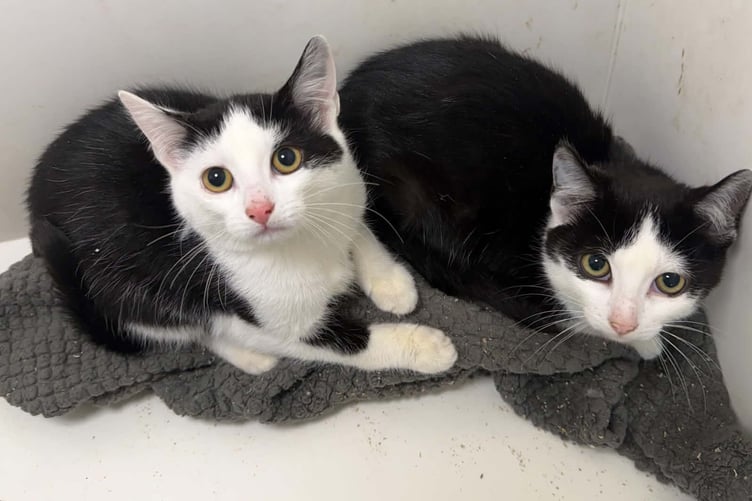
We think this is the primary reason why we are seeing more and more kittens coming into our cattery – owners are putting off spaying and neutering, or even ignoring the need altogether.
There is financial help available for some owners via a charity called Pets Aid League, and we can all promote responsible pet ownership, but ultimately the ManxSPCA is left with a rehoming challenge.
If you think you can offer a home to kittens such as three-month-old Macaroon and Marshmallow, whose spaying and neutering costs (plus vaccinations and microchipping) are all covered by an adoption fee of just £200 for the pair, please fill out an adoption form (available online or at Ard Jerkyll) without delay.