.JPG?width=94&height=94&crop=1:1,smart&quality=75)

-(1).jpeg?width=752&height=500&crop=752:500)
The Isle of Man Chamber of Commerce has warned that the 9.9 per cent minimum wage increase due to come into force next April represents a ‘national crisis’ and could have a ‘devastating’ impact on the island’s economy without urgent revision or support.
In an open letter sent to the Isle of Man Government and all members of Tynwald, Chamber said there was serious concern among the more than 450 organisations it represents and across the wider business community. It said many firms are already operating at the limit of viability because of rising costs, wage compression, energy price inflation and a declining domestic economy.
The letter states that if the increase is implemented as planned, it could lead to job losses and business closures on a scale not seen since the Covid-19 pandemic. Sectors highlighted include hospitality, retail, care, manufacturing, the third sector and lower-margin service industries.
Chamber is calling instead for an interim rise aligned with the island’s Consumer Price Index inflation rate as it stands in April 2026. It says this would be more sustainable for employers and employees and would help prevent further pressure on pay structures.
.jpeg?width=209&height=140&crop=209:145,smart&quality=75)
The open letter follows the UK Government’s announcement of a 4.1 per cent minimum wage rise, in line with current UK inflation. Chamber said the difference means that from next April, Isle of Man employers will have to pay 18 to 20-year-old workers more than 24 per cent above the equivalent UK rate.
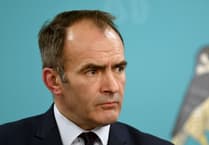
Chamber President Claire Watterson said: ‘Chamber and the wider business community have been warning about the impact of such a big increase for over a year. Without intervention, this increase risks doing the opposite of what is intended: instead of helping low-paid workers, it could lead to many of them losing their jobs.
She said Chamber supported the principle of aligning the minimum wage to 66 per cent of median earnings, but added: ‘This methodology can only work if it is based on the private-sector median, not the merged economy-wide median.’
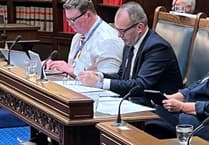
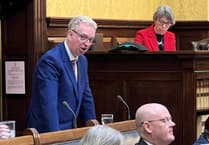
Concerns about the impact on businesses were also raised during last month’s Tynwald debate, where Arbory, Castletown and Malew MHK Jason Moorhouse said some firms were ‘closing their doors and blaming costs’. The Minimum Wage Committee had earlier warned about potential consequences for employment, inflation and competitiveness.
Despite this, the 9.9 per cent rise was approved by Tynwald, increasing the single hourly rate from £12.25 to £13.46 from April 1 next year. The hourly rate for young workers will rise from £9.55 to £10.76. An amendment calling for Treasury to increase the personal allowance threshold was defeated, as was a proposal to introduce a phased rise to £13.76 by October.
Chamber said the issue now extends well beyond the sectors that first raised concerns, with manufacturing, the third sector and white-collar roles affected as wage compression pushes pay scales upwards. It said the challenge was to set a minimum wage that is sustainable for most businesses, arguing that this is in the long-term interests of employers, employees and the wider economy.
The open letter, which sets out the actions Chamber is calling for, has been sent to the Council of Ministers, all members of Tynwald and has been published on the Chamber website.