

.jpeg?trim=0,0,2,0&width=752&height=501&crop=752:501)
Plans to make ferry passengers to carry identification have moved a step closer after a public consultation highlighted key issues that still need to be addressed.
In April, the Isle of Man Government launched a consultation on proposals requiring passengers to show ID before boarding Isle of Man Steam Packet Company sailings.
While the Government has effectively decided to introduce the measure to strengthen security, it is still considering how the system will operate in practice.
Currently, customers do not need to present ID at check-in, but they must carry it with them to be produced on demand.
The move comes amid an increase in organised crime gangs bringing drugs to the island and transporting criminal cash back to the UK. Just last week, Manchester gang members Mark Jones and Reece Coley were jailed for conspiring to remove criminal property from the island.
The Government believes verifying the identity of travellers, including at the point of departure, will make it harder for criminals and their assets to move to and from the Isle of Man.
The proposal forms part of the Securing Our Island Strategy, which aims to improve safety through its three priorities of Prevent, Protect and Pursue.
Under the current proposals, all passengers would be required to carry valid photographic identification, with proportionate checks carried out by staff. The consultation sought views on acceptable forms of ID and whether any exemptions should apply.
Launching the consultation in April, Justice and Home Affairs Minister Jane Poole-Wilson said: 'Mandatory carriage of ID and proportionate checks are practical steps that strengthen our defences against organised crime, support effective policing, and align with the Securing Our Island Strategy, without introducing routine immigration controls within the Common Travel Area.'
The Government says the proposals would strengthen the island's defences against organised crime by making it more difficult for people to travel anonymously or under false identities, while also improving the accuracy of passenger information.



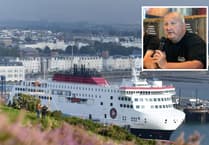
A total of 1,419 responses were received during the seven-week consultation, with more than three-quarters of respondents believing the measures would help reduce crime.
There was strong support for passports, driving licences and other government-issued photographic identification as acceptable forms of ID. The strongest support for exemptions related to children, vulnerable people and emergency or medical travel.
A Government spokesperson said: 'The main concerns raised were about delays and queueing, as well as operational issues such as staff training, with clear requests for any implementation plans to include early communication and a phased introduction or grace period.
'The Department of Home Affairs will now use the results to inform discussions with the IOMSPCo on the next steps, including the development of clear guidance on how ID verification will work and acceptable forms of identification.
'Exemption options for children, vulnerable groups and medical travel will also be explored to ensure any measures are practical, fair and proportionate.'
No timetable has yet been set for introducing the new requirements, although the consultation findings will help shape the next stage of the project, with further updates expected in due course.