

The Communications and Utilities Regulatory Authority (CURA), has disputed claims made by Manx Gas that the energy firm has an agreement with it regarding a minimum profit level.
It comes as Manx Gas asks for a tariff increase for the second time in recent months.
Jo Cox, the chief executive of Manx Gas, says the energy company is currently running at a loss, and that ’all global suppliers are facing similar pricing pressures’.
Mrs Cox said: ’Part of our regulation agreement with CURA means that we are obligated to report to them every three months on what our forecast profits will be, after purchasing natural gas and LPG on the markets and taking our operating costs into consideration.
 Work to put horse tramway back to full length of prom could begin within a year
 Isle of Man’s gambling sector poses ‘medium high’ risk of money laundering
 Potential ban on Isle of Man children using social media 'not formally considered'
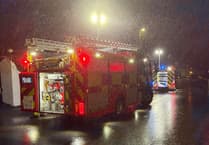 Fire crews attend three incidents across the Isle of Man in 12 hours
’A request to CURA to raise our tariffs is automatically triggered when it is proven that we will fall short of the minimum 10% profit margin agreed with the regulator.
’The profit margin allows for sufficient operating funds to facilitate investment in our infrastructure: this includes ensuring that we meet and exceed all stringent health and safety targets for our assets, and covers staff costs to help us meet excellent standards of service in (for instance) unloading LPG gas ships, filling bulk canisters and distributing them to people’s homes around the island, advising customers with billing queries, maintaining customers’ boilers, conducting comfort checks etc.’
In a statement, CURA disputed this claim.
They said: ’It has been reported that Manx Gas has a minimum profit level of 10% that was agreed with the Regulator, this is not the case; there is currently no regulated return in place.
’The authority is currently consulting on, but has not yet determined a suitable regulatory return for Manx Gas there is therefore no obligation to consider restoring Manx Gas’ profitability to a particular level as part of any tariff review process.
distress
’The Authority is concerned that inaccurate information in this regard may cause unnecessary distress for some consumers, particularly those who may be considered vulnerable.’
In October, Tynwald approved a motion to support a 27.5% increase to the price of gas.
This works out at around 2.1p per unit.
The energy supplier is now asking the island’s regulator to increase tariffs further due to continuing high global costs.
Mrs Cox said: ’The cost of natural gas on the world markets remains at an unprecedented high.
’Historically, we have been buying at a cost of £0.60 or less per therm.
’However, when the global prices began to rise in August, averaging at £1.07 per therm, we submitted our financials to CURA who recommended a price rise of 2.1p per unit in September.
’This wasn’t approved until the new Tynwald sat in October.
’We had hedged to cover 35% of gas used but, as I write, the price is now £2.95 per therm, which is an increase of nearly 400%, with no signs of stabilising or dropping to its previous level.
’The effects of this volatility have been felt across the world: an example is Northern Ireland where their supplier, Firmus, has imposed three price increases in 12 months amounting to a rise of 95%.’
The price hike in October saw around 20,000 customers bills rise.
On the profitability of Manx Gas, CURA said: ’As outlined in the authority’s information notice, the authority’s primary concern in the short term is that Manx Gas remains solvent, can support and maintain the network, and can continue to deliver supplies to its customers.
impact
’The authority is also considering the social impact on customers as well as the wider implications for the economy such as inflation should prices increase, as part of its review.
’The authority accepts that the current situation where Manx Gas is operating with little to no profit is not sustainable in the long term, however it must be acknowledged that gas markets are in the midst of an unprecedented global crisis and therefore the current situation could not be reasonably considered ’normal’ or even as reflective of future regulatory frameworks.’
Comments
This article has no comments yet. Be the first to leave a comment.