
Last week’s article commented on long exposure and slow shutter speed photography and the effects that can be obtained by using movement to enhance one’s images.
With the camera mounted on a tripod, the images covered in particular light trails and moving water, effects that can easily be reproduced close to home, for example with car headlights on the road, or any of our rivers or streams.
An image without movement will appear static - so movement can be used to add drama, atmosphere, context and impact to a photograph.
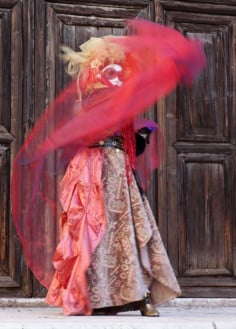
The technique can obviously be applied to portraits - as seen here with an image by Chris Nicholls of a model in Venice Carnival dress - the moving scarf adding action to the image but the camera kept in position with the background in focus, and using a slowish shutter speed.
.png?width=209&height=140&crop=209:145,smart&quality=75)
But movement can also be portrayed in a different way as any motorsports photographer will confirm.
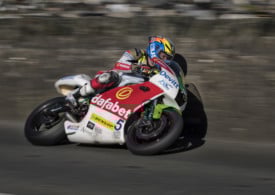
Again with a slow shutter speed, the action known as ’panning’ tries to keep a fast-moving subject in focus whilst allowing the background to blur - the blur suggestive of the speed of the subject, as seen in the image below by Jeremy Broome-Smith of action in the Southern 100, yet the motor bike and its rider sharp and easily identifiable.
Whilst the technique reads as being quite simple, the photographer synchronising and following the movement of the subject with the camera, the reality is that it is difficult in practice - and takes time, experimentation plus trial and error to master.
But last week I also mentioned ICM photography - ’Intentional Camera Movement’ - a specialist and perhaps niche genre.
Basically it is taking an image whilst the camera is being moved - in any direction up, down or sideways during an extended exposure.
The intention is to produce an abstract, blurred image where everything is out-of-focus, perhaps more impressionistic than representing reality, and appearing rather like some of JWM Turner’s paintings.
The technique demands multiple attempts and the result is always unpredictable but can be surprisingly artistic.
The resulting image will obviously vary with the size of movement and the length of time the shutter is open - the longer the shutter speed and bigger the movement, the more abstract and vague the likely result.
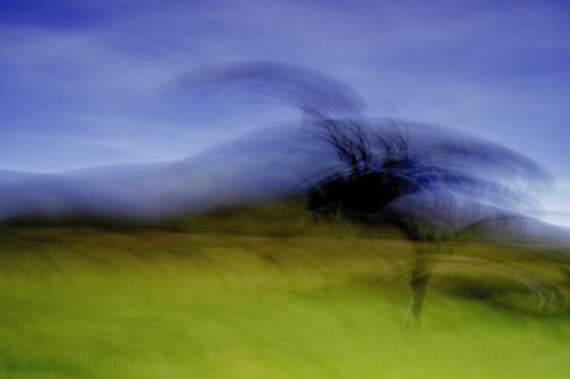
Nigel Owen’s image taken at the Gooseneck illustrates the point perfectly - blur and movement very clear, and leaving the viewer to interpret and imagine the location and action for oneself.
Given the current Covid-19 situation, our programme is in abeyance and we are unable to provide a date for our next meeting, so please check our website - www.iomps.com - or our Facebook page for details of any updates or changes.
Our meetings are held the St John Ambulance headquarters on Glencrutchery Road, starting at 7pm and are open to the public (non-members with a modest entry fee), and all will be given a very warm welcome.
Comments
This article has no comments yet. Be the first to leave a comment.