
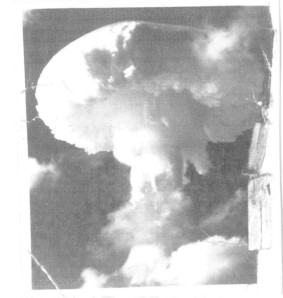
’First thing is the light, the flash. Then it’s the sound of a huge explosion that strickened the life out of you. The winds are the last thing that hits you. Some guys would stand up too soon and go flying.’
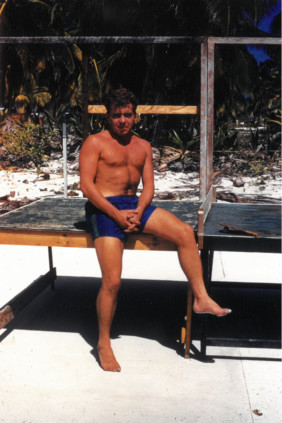
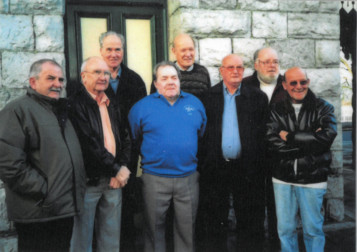
Ray Carbery, an 80-year-old from Glen Vine, witnessed five atom bomb tests during his early twenties on Christmas Island, located in the Pacific Ocean.
He is what some may describe as a living legend.
However, he disagrees with the Daily Mirror’s call for an official medal of recognition to be given to him as a test survivor.
-(1).jpeg?width=209&height=140&crop=209:145,smart&quality=75)
’My family and I are friends with Hector Duff, a Manx-born man who won a military medal for his efforts in Normandy,’ he said.
’Having a medal and standing next to a fella that risked his life in battle, that doesn’t work for me. I would be embarrassed.’
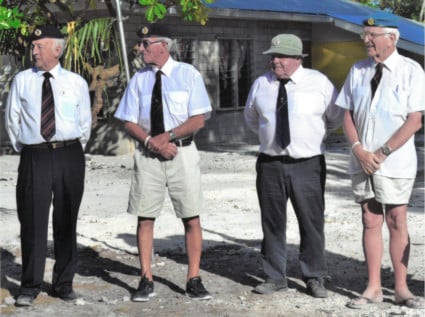
The former Royal Engineer, who worked on refrigeration in Kiritimati (Christmas Island), recently marked the 60th anniversary of when Britain’s strongest weapon ever released - the Grapple Y bomb - was detonated.
Along with family members, Mr Carbery, personally financed a trip this year to the very beaches of where he was exposed to the bomb’s radiation on April 28, 1958.
He admitted that he ’didn’t know what to expect’ when returning there, but received a very warm welcome from the locals who held a ceremony at a monument set up in rememberance of the historic events.
Looking back, Mr Carbery said: ’Nobody told us anything [about the tests]. I didn’t know what was going on. Nobody did.’
Before the detonations, he recalls a countdown taking place before being instructed to turn in the opposite direction of where the bombs were being dropped.
All while wearing a simple pair of shorts and boots.
He said: ’We were told to face away and place the heels of our hands in our eye sockets. You could see the bones in your hands.
’The first time it happened you’d get up and say "what was that?" and then go about your day. We didn’t know the implications of it.
’When you’re that young you’re looking at everything wide-eyed and it was the first time I’d been out of Britain,’ he explained.
Sadly around 20,000 servicemen, who built and repaired infrastructure around the campsites and other island locations, were unaware of the fact that the implications would be severe. Many of them have since died from various forms of cancer.
Mr Carbery himself suffers with ongoing stomach issues that were developed while at Kiritimati, which continue to cause him discomfort. One of his two sons, who is in his late forties, has had a series of health implications since birth.
The test survivor told the Examiner that he had never received compensation for his time on Christmas Island, nor does he have a war pension.
However, he said that the Isle of Man Government did give survivors, who were residing here, a sum of money. ’They labelled it as "assistance" and not "compensation",’ he added.
Despite what Mr Carbery has faced and continues to face, he believes it’s important to not only commemorate what has happened but to support the local people living on the Pacific island today.
Over the years he and his wife, Mary, have been using their own funding to send clothing, toys, and medical supplies to the native people.
He said: ’I feel that the British government didn’t do enough for the local people.
’They have absolutely nothing there.
’When I went back, there were empty oil containers and tanks and other bits left behind from the 1950s-60s. The football pitch that we had left is still used by the local people and they play that on the coral dust.’
The Carberys have now reached out for help, as they have been struggling to keep up with rising postal costs to send items to the other side of the world.
During their recent trip to the island, the family met Dr Becky Alexis-Martin - a senior research fellow in Human Geography and principal investigator of NCCF ’Nuclear Families’ project at the University of Southampton - who has offered to support the delivery of their aid parcels through the university.
She said: ’My research explores the consequences of the British nuclear weapons test series, and to personally encounter the shocking legacy of our military history was eye-opening.
’There’re a lot of health challenges that need to be addressed. These people deserve adequate homes, food, and better education opportunities.
’The island’s resources are meagre, few plants grow beyond palm trees and salt bush, food is imported, diets are poor and livespans are limited. It’s commendable of Mary and Ray to have helped this community for so long.’
Mr Carbery added: ’The locals of Kiritimati are the most hospitable and friendly people I’ve ever met.
’They’ll serve you first and give you what you want before serving themselves. They’re fabulous people.’
Comments
This article has no comments yet. Be the first to leave a comment.