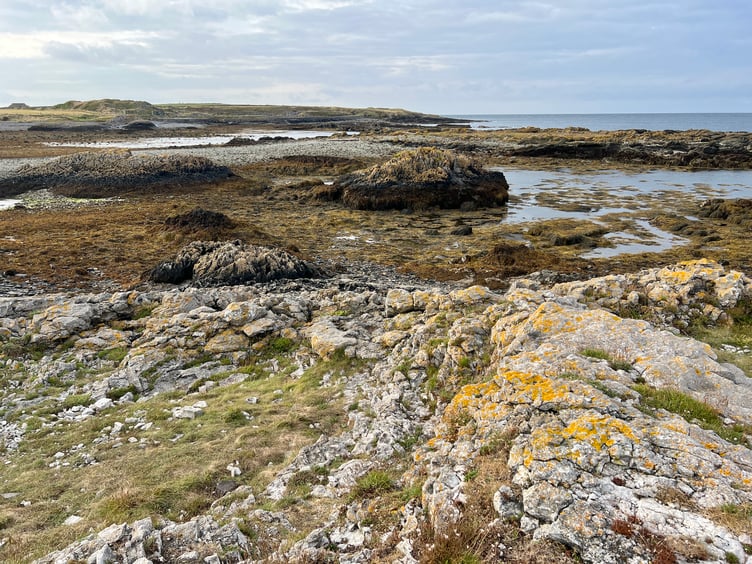
In 1834, a wooden brig was on its maiden voyage when it was caught in a storm and wrecked off the south coast of the Isle of Man.
Almost 200 years on, remnants of its valuable cargo are still being washed up on Manx shores.
The 247-ton John Fairfield had set off from Liverpool on Monday, November 3, 1834, bound for Havana in Cuba, with a crew of 12 men and Captain William Winby at the helm.
Its cargo of calico bales, clothes, linen, blankets, lamps and earthenware was reported to be worth up to £50,000 - equivalent to around £8.4m in today’s money.
Bad weather forced her to shelter in Ramsey Bay but, with the wind turning, she set sail again, heading south.
Disaster struck on the Friday, however, when the wind blew up once more and forced the captain to seek shelter again from another gale.
Unfortunately, he is said to have mistaken the lights of the Calf for those of Douglas harbour - although there is a suggestion the lights may have been deliberately set by wreckers.
Almost immediately, the brig struck the skerries off Poyll Vaaish, which aptly translates as Pool of Death or Bay of Death given the number of ships that have been wrecked there.
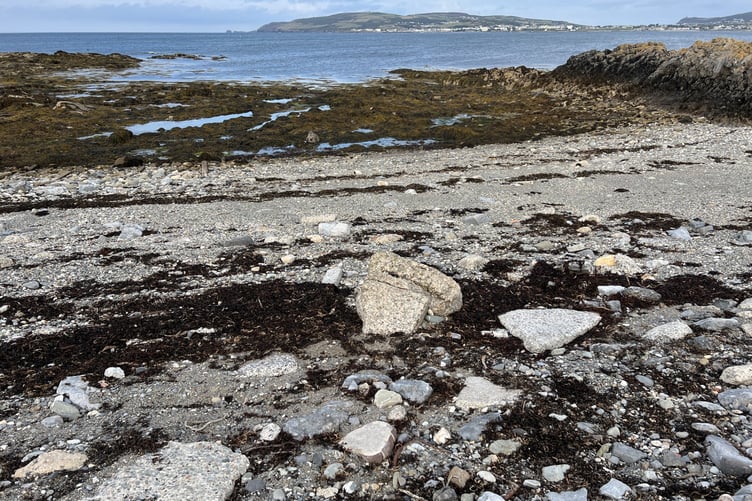
Fortunately, it was an ebbing tide and the crew all managed to scramble safely ashore.


Debris from the wreck was strewn over a two-mile stretch of the coastline.
And the valuable cargo soon attracted salvage hunters - prompting a robust response from the authorities.
The Mona’s Herald reported: ‘Some men of the garrison were ordered out, and special constables sworn in for the protection of the wreck property but a most daring system of plunder was, not withstanding, carried on which, it would appear, could not be checked.
‘The scene was a singular when viewed from the higher ground. To the left lay the brig with a great part of her bottom out and nearly cut in two, and the angry waves beating over her.’
There was to be a tragic outcome with the accidental death of a 14-year-old boy who was mistaken for a looter by one of the guards.
The Castletown Chapel Vestry book records: ‘About fourteen days after the vessel was stranded, John McHutchin, son of the Clerk of the Rolls, who had gone to see the wreck and was in one of the boats employed in saving the same, was accidentally shot by a soldier named Thomas Rigby, to the great grief of his parents and all persons who heard of the catastrophe.’
.png?trim=0,0,0,0&width=752&height=501&crop=752:501)
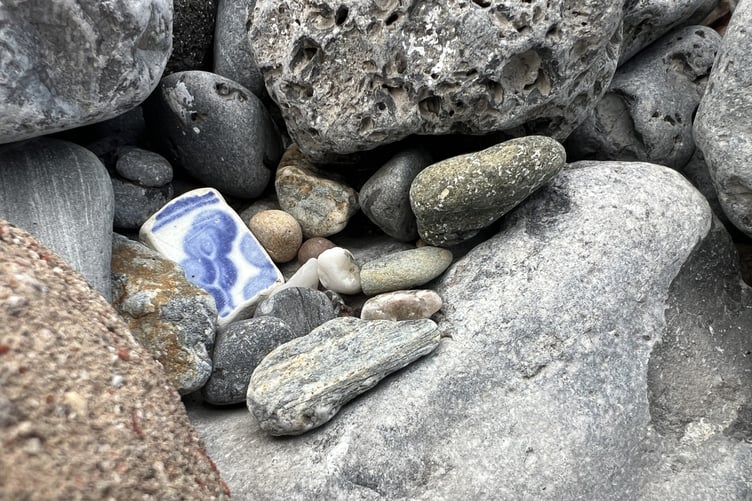
Two centuries on, fragments of pottery from the John Fairfield can still be found on many beaches along the island’s south coast.
The shards, worn smooth by the action of the waves, feature intricate hand-painted designs, usually in red but often in green, yellow or blue too.
Lucky beachcombers may find fragments depicting castles, knights on horseback and tailcoated aristocrats.
Fresh supplies of these little pieces of history are washed ashore after every new high tide, but especially after autumn and winter gales - the sort of weather conditions that led to them ending up in the sea in the first place.