
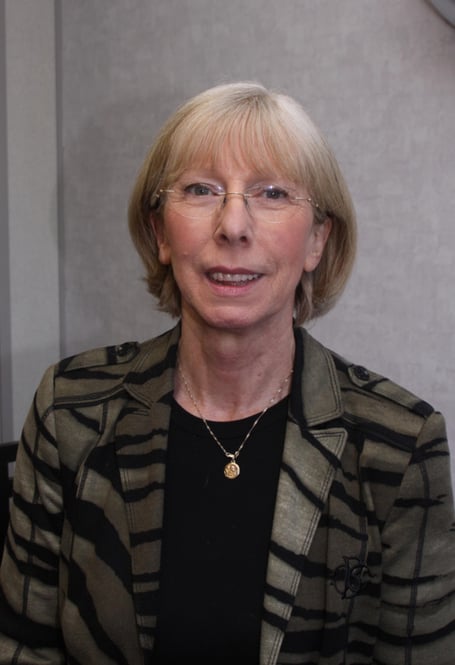
Liberal Vannin leader Kate Beecroft believes the island should examine introducing a single island-wide constituency.
The island moved to the current system of 12 constituencies with two members each before the 2016 general election.
However, Mrs Beecroft said that a move to an all-island vote would create greater accountability and provide a mandate for governance.
She added: ’I believe bigger constituencies are better and at the last review, I wanted to see six constituencies with four members in each.
-(2).jpeg?width=209&height=140&crop=209:145,smart&quality=75)
-(2).jpeg?width=209&height=140&crop=209:145,smart&quality=75)


’By having larger constituencies, policies would become more important and it would give the public a greater role in the formation of national policies.’
Mrs Beecroft’s comments came after Guernsey residents voted in a referendum to introduce an island-wide single constituency electing 39 deputies (its equivalent of MHKs) every four years.
The Douglas South MHK dismissed fears that people would not read a large number of manifestos if there was the creation of a single constituency, believing that it would lead to more party politics, something Liberal Vannin has long been keen to advance.
Mrs Beecroft said that ’nobody has a say on national politics’ and repeated comments by the party’s deputy leader Ramsey MHK Lawrie Hooper that Tynwald acts as a ’one-party state’ formed after the election.
She explained that under the proposed system, there would need to be a separate public vote for Chief Minister, as under the current system the role has ’no public mandate’.
Mrs Beecroft is also looking beyond former leader Peter Karran’s statement that the party was the ’opposition in the House’ by saying Liberal Vannin wants to be in government.
She said: ’The party lays forward policies and we seek the public’s approval and if we got the votes, then we would have a mandate to govern.’
However, rather than get ahead of herself, Mrs Beecroft said that the matter ’must be put to the public in a referendum’, criticising the previous review for not giving the public enough of a say in the reforms.
She added that she sees ’no harm’ in the idea being explored and if it could improve democracy and accountability it is ’worth exploring the concept’.
Comments
This article has no comments yet. Be the first to leave a comment.