
The Isle of Man has been removed from the European Council’s grey list that was used as a warning for what the EU deemed non-cooperative tax jurisdictions.
In December 2017 the Isle of Man was placed in annex II by the EU code of conduct group as there were concerns that the island did not have legal substance requirements for entities doing business in or through the jurisdiction.
It was feared that this might mean the island was a less attractive jurisdiction with which to do business and might therefore damage the Manx economy.
The island was this week removed from the list, along with the other Crown Dependencies, Jersey and Guernsey, after the three worked together with the EU to develop proposals to address the concerns raised.
-(1).jpeg?width=209&height=140&crop=209:145,smart&quality=75)

-(1).jpeg?width=209&height=140&crop=209:145,smart&quality=75)
For the Isle of Man this culminated in the passing of the Income Tax (Substance Requirements) Order 2018 in December.
Treasury Minister Alfred Cannan had referred to it as ’an important piece of legislation that needs to be enacted by December 31, 2018, to ensure that the Isle of Man meets this high level commitment made last year’.
In response to the island’s removal from the list Chief Minister Howard Quayle said: ’We welcome this positive endorsement of our commitment and proactive engagement with international standards.
’The government has engaged at every stage to ensure any concerns expressed by the group were addressed.
’The Isle of Man is a well-regulated, transparent jurisdiction that takes its international responsibilities extremely seriously.
’We have a positive role to play in today’s global economy and will continue to be a responsible and open member of the international community at the forefront of international standards and have a continued commitment to tax transparency and cooperation.’
A statement by the General Secretariat of the European Council said that it had been involved in ’constant and constructive’ dialogue with the Crown Dependencies.
The Crown Dependencies have also agreed to share beneficial ownership details with each other and with the EU for people who are tax residents in the jurisdictions.
The statement said: ’Member states should notify the Crown Dependencies that, where they are the jurisdiction of residence of the legal or beneficial owner, exchange of this information would be relevant to them for the administration of their tax regime.’
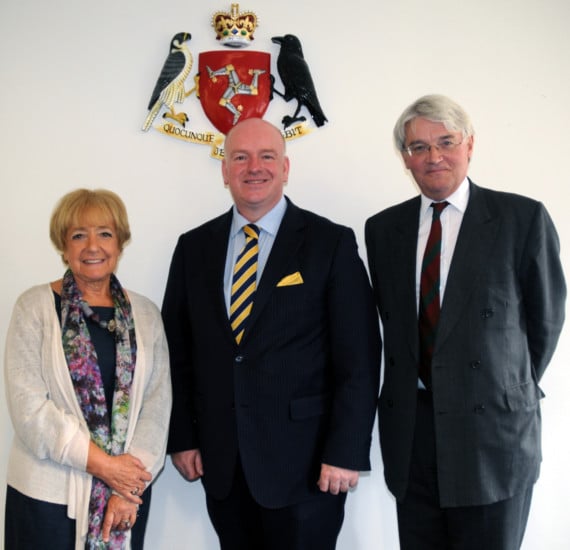
The island’s good news is unlikely to appease Labour MP Dame Margaret Hodge or Tory MP Andrew Mitchell who have joined forces twice in an attempt to force the Crown Dependencies to create a public register of beneficial ownership.
Under the current system, the information can be shared with, for instance, law enforcers. But it is not open to everyone to see who really benefits from owning companies.
The three jurisdictions have said they are no opposed to doing so, however it must be done by the Crown Dependencies and only if open registers of beneficial ownership is to become the global norm.
Hodge and Mitchell have written to the Chief Minister, see page 7.
Comments
This article has no comments yet. Be the first to leave a comment.