

The government’s operational deficit apparently soared by £114m last year to more than £231m.
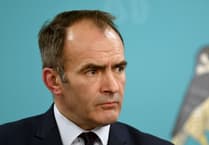
But Treasury Minister Alfred Cannan insisted this was a paper loss with the Covid pandemic blamed for an unrealised loss on investments of £118m - and the reconciled government accounts actually showed a £68m surplus.
Figures revealed in the latest government audited accounts, which have been published some months later than normal, show that the situation could have been worse but for higher than budget tax receipts.
The ’Dark Blue’ book also reveals department spending rose by £51m in 2019-20 and the number of staff employed by government has started to climb.
 Chief Minister stands firm on minimum wage rise but signals support for businesses
-(1).jpeg?width=209&height=140&crop=209:145,smart&quality=75) Chief Minister warns tough choices ahead as health spending has 'exploded'
Chief Minister warns tough choices ahead as health spending has 'exploded' Builders warn minimum wage rise ‘risks destabilising construction sector’
 Operating the Isle of Man’s Liverpool ferry terminal costs more than £710,000 a year
Operating income increased by £112m on the previous year to £1,267m in 2019-20 thanks to some £64m collected by Customs and Excise revenue and an additional £10.6m in income tax receipts.
But operational expenditure also went up, mainly due to departmental spending going up £51m.
In 2018-19 there had been a £32.6m unrealised gain on investments but this was transformed into a £118m group loss as a result of the impact of Covid on the stock market in March 2020.
This led to a deficit on paper of £231m, up from £117m the previous year.
In a statement, a Treasury spokesman said: ’Since the reporting date the stock markets have recovered and the market value of the external investments is now far in excess of the pre-2019-20 value.
’The unrealised loss on investments is not a realised loss. However, in accordance with FRS 102 financial reporting standards Treasury is required to report on the movement in the market value to reflect the market loss or gain of the investments at the reporting date.’
The second main contributor to the £231m deficit is £121m interest payable as a result of the annual actuarial valuation of the government pension scheme.
This is not a cash cost incurred but instead is a reflection of the change during the period in the net defined liability.
Treasury said the figure is broadly in line with 2018-19 and represents the interest cost of the pension scheme for central government and the group entities.
It pointed out that the financial position pre-accounting adjustments, ie in accordance with the methods used to prepare the Budget, as shown in the ’Light Blue’ book, presents a surplus in the year of £68m compared to a surplus of £31m the previous year.
The Dark Blue book is normally published in October but the 2019-20 audited accounts were delayed due to Covid but also because the government has changed in auditors, with Grant Thornton awarded the contract from KPMG.
Treasury said 2020-21 Light Blue book will be laid before Tynwald in the July sitting. It said it intends to introduce a new-style annual report combining the Light Blue and Dark Blue books for the 2022-23 financial year end.
The Dark Blue book also shows that the number of government employees earning over £50,000 has increased sharply from 1,207 in 2018-19 to 1,436 in 2019-20. There are now three earning between £325,000 and £349,999.
Comments
This article has no comments yet. Be the first to leave a comment.