
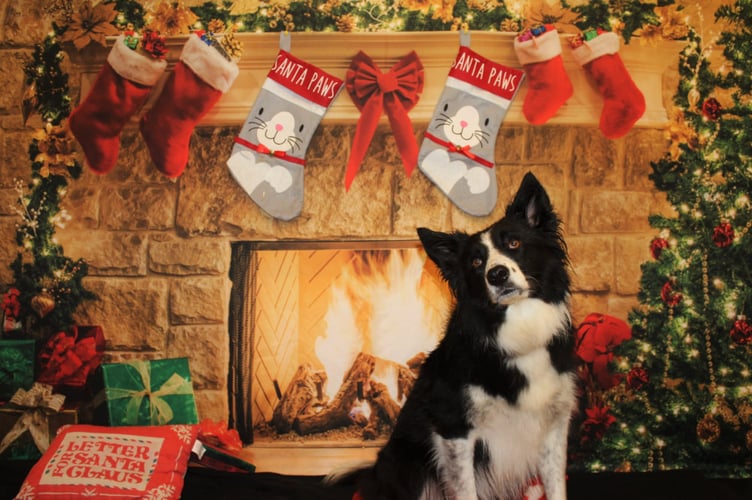
How often do we say ’Christmas gets earlier every year’ but it really does seem that way in 2021, with trees, lights and decorations already up in many people’s houses.
This is probably as we seek to surround ourselves with festive cheer in the face of ongoing Covid uncertainty.
The pet industry is taking full advantage, as you might expect, and is targeting the many thousands of owners who bought a ’pandemic pet’ - in the UK an estimated 3.2 million households have welcomed a new animal into their home during the last 18 months.
The pet industry is anticipating a huge demand for pet treats, and says this trend is being driven by young people who are increasingly humanising their animals with, no doubt, social media playing its part.
.jpeg?width=209&height=140&crop=209:145,smart&quality=75)
.jpeg?width=209&height=140&crop=209:145,smart&quality=75)
.jpeg?width=209&height=140&crop=209:145,smart&quality=75)
Retailers are responding by offering a range of pet-friendly gifts such as advent calendars with edible treats, Santa outfits for dogs and cats, and a range of non-alcoholic pseudo wines such as ’Pawsecco’, and dog-friendly beers such as ’Bottom Sniffer’.
Whether or not you buy your pet a present or treats for Christmas, there are certain festive hazards that all pet owners should be wary of, and so it’s time for our annual reminder.
Here are some guidelines for you to follow.
l Plants: although the toxicity of the poinsettia has often been exaggerated it can cause irritation to the mouth and stomach if it’s ingested, as can holly and mistletoe berries. Pine needles can also damage the delicate lining of the oesophagus, and ivy leaves can cause skin irritation.
l Silica gel: this often comes in little white sachets and is found in the packaging of clothes, electrical goods and other gifts we might be wrapping (and then unwrapping) for Christmas.
Make sure you dispose of the sachets in a bin so that your pet isn’t tempted to play with them and ingest the gel, which will cause a stomach upset.
l Christmas decorations: tinsel can be irresistible to a playful pet, but it may obstruct the stomach if it’s swallowed; and glass and plastic baubles can break in an animal’s mouth and cause considerable damage.
l Cigarettes: nicotine is toxic if ingested in sufficient quantity and so it’s important to keep ashtrays out of reach. Nicotine replacement patches and e-cigarette refills can also pose a risk.
l Alcohol: pets are naturally inquisitive and may help themselves to any unattended alcohol left lying around over the festive period, and so make sure it is always out of their reach.
Too much alcohol can cause low blood sugar and lead to an animal becoming comatose.
The following foods are particularly hazardous for dogs:
l Chocolate - the chemical theobromine is found in chocolate and it is toxic to dogs.
The darker the chocolate the more potent the levels of theobromine become - with baker’s chocolate being the most dangerous.
Avoid putting any chocolate on, or under, the Christmas tree, even if it’s sealed in foil or in a box, and wrapped with paper, because most dogs will succumb to temptation.
l Grapes and their dried products (currants, sultanas and raisins) - these are also toxic to dogs and they are found in so many Christmas treats, from puddings to pies, and ingestion of even a small quantity can cause severe kidney failure.
l Onions, garlic, leeks and chives - these vegetables are poisonous for dogs whether cooked or uncooked, but their effects may not be noticed straight away because they cause anaemia which may take several days to become apparent.
If you suspect your pet has been poisoned or has ingested something harmful (symptoms include vomiting, excess salivation, panting and either extreme restlessness or lethargy) then you need to seek emergency advice from your veterinarian.
Prompt action will save your pet’s life but, as the saying goes, prevention is better than cure.
Comments
This article has no comments yet. Be the first to leave a comment.