

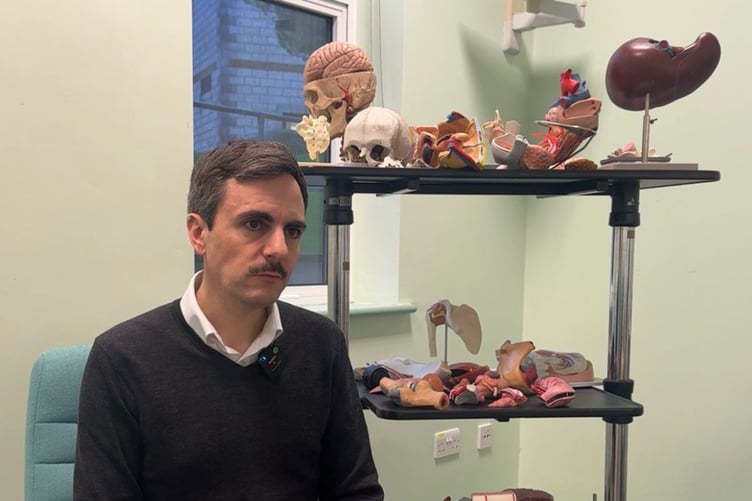
And according to the new chair of the British Medical Association (BMA) Dr Tom Dolphin, that creates a ‘disconnect’ as to how health services are delivered in the island.
‘There’s a disconnect between what doctors are recommending about how services should be run and what is actually happening in practice,’ he said.
Dr Dolphin was speaking during a visit to the Isle of Man last week, where he met government ministers and doctors working for Manx Care amid concerns about staff morale, leadership and patient safety.
-(1).jpeg?width=209&height=140&crop=209:145,smart&quality=75)
.jpeg?width=209&height=140&crop=209:145,smart&quality=75)
.jpeg?width=209&height=140&crop=209:145,smart&quality=75)

He said delays or overrides in clinical decision-making could increase risks within the healthcare system, with doctors left managing those risks on the frontline.
‘The longer decisions take, the more patients start to fall off at the end of the conveyor belt,’ he said, adding that healthcare decisions often carried urgency, particularly where gaps in services were placing pressure on both patients and clinicians.
Dr Dolphin said this environment was contributing to burnout and doctors choosing to leave the island, worsening existing workforce pressures.
His comments follow the publication of the BMA’s annual Culture of Care Barometer Survey, which found fewer than a quarter of doctors working for Manx Care would recommend the organisation as a place to work.
Around 155 doctors on the Isle of Man are members of the BMA, including almost all consultants, salaried GPs and specialty and associate specialist (SAS) doctors. SAS doctors are senior, experienced clinicians working in permanent, non-training roles.
The union described the survey findings as a ‘damning indictment’ of Manx Care.
More than 60% of respondents disagreed or strongly disagreed that Manx Care listens to staff views, while just 13% said they could see good evidence of senior leadership. Doctors did, however, report feeling respected by colleagues and their immediate managers.
Responding to the survey, Manx Care said it had not yet fully digested the data, but initial analysis suggested year-on-year improvement across most areas.
In a statement, the organisation said 27 out of 30 survey responses showed improvement compared to the previous year, with similar numbers of doctors taking part.
Manx Care said it was ‘pleasing’ that most respondents reported feeling respected by colleagues and line managers, felt able to ask for help when needed, and understood what was expected of them in their roles. It also said staff reported improvements in engagement, empowerment, leadership and resources.
The organisation acknowledged that some responses appeared to reflect ‘legacy negative feelings’ linked to the creation of Manx Care in 2021, but said the overall direction of travel was positive.
Manx Care said feedback from the survey had informed the development of its clinical leadership model and that improvements in areas such as support, feedback and development opportunities suggested recent changes were beginning to have an effect.
Talks between the BMA and Manx Care over pay and staffing are continuing. Dr Dolphin said a strike was not imminent, but warned that years of pay erosion, rota gaps and exhaustion were continuing to drive recruitment and retention problems.