

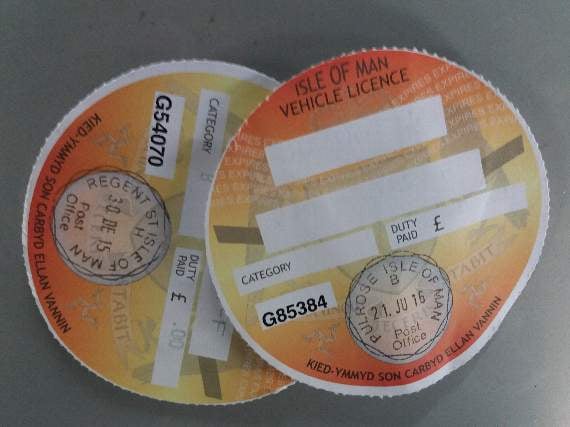
A planned increase in car tax has been shelved.
The planned hike in vehicle duty had been due to go before Tynwald for approval this week.
But it was withdrawn by Infrastructure Minister Ray Harmer at the 11th hour to allow his department to provide ’further clarity’ on its proposals.
Another consideration, presumably, was that the Minister could not count on the support of all members, particularly with so many away on a Commonwealth Parliamentary Association visit to Canada.
.jpeg?width=209&height=140&crop=209:145,smart&quality=75)
.jpeg?width=209&height=140&crop=209:145,smart&quality=75)
Thousands of motorists would have been faced with a hike in car tax this year, under the shelved proposals.
The biggest increases would have been for the average older car with a standard, smaller engine size.
For example, the driver of a small 1100cc run-around hatchback was set to pay £34 more, taking the tax from £105 to £139 from May, while owners of a standard 1.4l car would have been charged £31 extra, vehicle duty rising from the current £163 to a whopping £194.
But some drivers would have paid less – although curiously the reductions are for cars which produce the highest CO2 emissions.
There were also savings for the owners of commercially-operated vans and goods vehicles, while zero-emissions electric cars would be exempt from paying vehicle tax.
White van man was set to see a new flat rate of £200 a year, while duty for all medium and heavy goods vehicles was to be reduced by 5 per cent, with a new ceiling of £1,500.
A briefing will now be arranged for Tynwald members to explain the new charging structure, which the DoI says is intended to continue the policy of encouraging the shift towards less-polluting vehicles.
It says the proposed changes, the first for more than two years, are structured to help generate the income needed to maintain the highways network, while correcting the imbalance between charges based on engine size and those calculated on carbon emissions.
The overall increase would be 6.7 per cent, in line with the higher RPI rate of inflation, and the duty will raise £13.056m.
Tax for motorcycles is simplified - for engines up to 50cc the charge will remain at £15; up to 125cc, it’s up £1 to £40; and all other bikes will be liable for a £50 duty.
Infrastructure Minister Ray Harmer MHK said: ‘The department has outlined the principles behind its proposals and supplied supporting information, comparisons and examples.
’However, it is clear that some Tynwald Members still have questions, so I am happy to organise a briefing to provide a fuller understanding of the changes and the alternatives.’
Under the plans, car tax for cars under 1000cc would increase by £1 to £52; for 1001-1200cc it would go up £34 from £105 to £139; and for 1201-1800cc the hike would be £31 from £163 to £194.
But for bigger engines the increase would be smaller – 1801-2500cc car tax would be up by £18 from £230 to £248, for 2501-3500cc it’s £9 more from £375 to £384; for 3501-5000cc it would be up £12 from £463 to £475 and for engines over 5000cc, the rise would also be £12 from £492 to £504.
Duty rates based on CO2 emissions would see increases from £1 to £8 but the £5 duty for vehicles with the lowest emissions would stay while there would be a cut of £88 and £79 for the two highest emission bands.
Comments
This article has no comments yet. Be the first to leave a comment.