
Commercial fishermen could have to pay more to fish in Manx waters under a new government plan.
The new proposal comes after the government was forced to ditch a measure that would have seen UK trawlers report to Manx ports every day they worked in Manx waters.
Seventy-one per cent of vessels registered to fish in Manx waters are registered in the UK or Jersey.
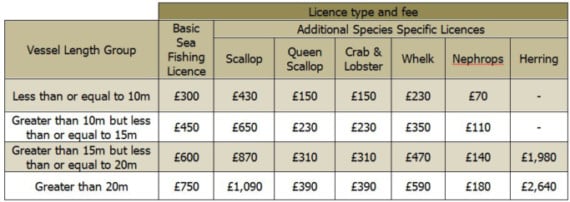
The latest proposal would result in the current flat rate for fishing in Manx waters being replaced with a new tiered system, where owners would pay dependent on vessel size and the species it targets. The latest move could hit UK-registered vessels hard, especially Scottish ones because they tend to be larger than Manx and Northern Irish ones.
 Roads update as Mountain closure extended and another route shut
 Live updates as schools and airport shut amid icy conditions across Isle of Man
 Met Office issues new 24-hour weather warning as freezing temperatures continue
 All flights cancelled as Isle of Man Airport to remain closed for rest of today
Earlier this year an attempt by the Department of Environment, Food and Agriculture to revise fishing laws failed.
The government made a humiliating U-turn over plans to require fishing boats operating in Manx seas to declare their catch daily in a Manx port after a row with the Scottish government.
Minister Geoffrey Boot MHK said: ’The Isle of Man has invested considerably over many years to ensure the sustainability of fishing within its territorial seas.
’Seventy one per cent of vessels registered to fish in Isle of Man waters are, however, from our neighbours in the UK and Jersey.
’It seems reasonable that those who earn a living from fishing in our waters should contribute to the costs of managing them, something largely borne by the Isle of Man taxpayer at present.’
Forty-eight per cent of all Manx fishing licences go to Northern Ireland-based fishermen, compared with only 29% to Manx residents.
The Isle of Man’s seas are some of the most productive and lucrative areas for shellfish in the British Isles, worth about £20 million to the Manx economy and supporting around 400 jobs.
Under the proposals, vessels up to and including 10m long would pay £300 for a basic sea fishing licence, £450 up to 15m, £600 up to 20m and £750 for any vessel over 20m.
Depending on which species the vessel is targeting, skippers would need to pay a varying cost, up to a maximum of £2,640 for a herring fisherman with a boat larger than 20m.
Under these proposals licence holders would be required to pay the basic licence fee and, for the main target species, a separate species-specific licence fee, meaning a 20m herring licence could end up costing a total of £3,390.
At present, the fee is £301 per vessel, regardless of size of the boat or value of catch.
If the current model of each vessel paying the same were continued to meet costs, the DEFA says the licence fee would increase from £301 a year to about £3,168.
Mr Boot added: ’The approach would introduce the principle that those who benefit the most from fishing within the Isle of Man’s seas should contribute the most towards the costs of managing and protecting this valuable natural resource.’
The move comes following advice from the Attorney General’s Chambers that the DEFA can legally seek to recover more of its costs.
The expenditure, which pays for ensuring the island’s fishing stock is sustainable, currently stands at £697,000 a year and the licensing working group has been investigating ways to make changes to the licence fee that are fairer for all.
If successful, the DEFA believes the plans would see a recovery of about 33%, about £233,000 or little over 1% of the total worth of fishing to the economy.
public row
Previous plans to make ships report daily to a Manx port were described as ’dangerous and potentially devastating’ in the Daily Telegraph and the public row between Tynwald and the Scottish Assembly was reported by the BBC.
It was also front-page news in the Isle of Man.
A UK report on the king scallop dredging industry has revealed the true extent of the problems facing Manx seas.
The report by Seafish Economics includes maps showing how the Isle of Man now has the highest concentration of dredging operations anywhere in the British Isles.
After talks with Scottish First Minister Nicola Sturgeon and Manx Chief Minister Howard Quayle both agreed the Irish Sea fishing industry must be sustainable long term because of its economic importance and overfishing must be prevented.
Commercial fishing licences run from April 1 to March 31.
During the consultation process, the DEFA is proposing that all current licences will be extended until the end of July at no additional cost.
The consultation, which runs until Monday, April 16, can be found at https://consult.gov.im.
Comments
This article has no comments yet. Be the first to leave a comment.