
The Manx Wildlife Trust currently manages 24 nature reserves across the Isle of Man, of which nine are open to the general public.
These help us to preserve and to protect the fabulous and varied wildlife found in our island.
The reserves total almost 300 acres of land to help conserve some of the best habitats for birds and animal life, and to protect our vulnerable species.
We encourage locals and visitors alike to visit them and to enjoy their tranquillity, and to cherish the sights and sounds found on them.




We have been looking at the reserves which the Manx wildlife Trust run but there are also other areas which are dedicated to wildlife, such as Area of Special Scientific Interest (ASSI)
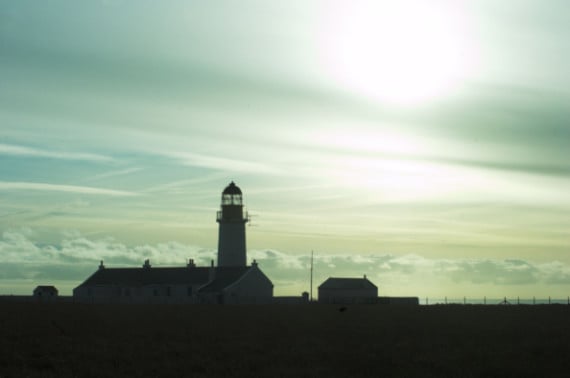
The Langness ASSI runs from Derbyhaven and includes all the Langness peninsula through to Sandwick bay.
It is a hidden beauty of the island with coastal heathland, saltmarshes and a maze of small gullies leading down to the sea.
The walk, which is covered by our downloadable spotting sheet, goes from the car park at the furthest end of this promontory.
Take the road to Derbyhaven, drive past Hango Hill and take the right fork away from the golf club. Take care as it is quite a potholed single track lane. There is a gravel car park at the end. Then walk through the gateway towards Langness light house.
There are steep cliffs along here and if you wish to walk down the gullies there is a bit of rock scrabbling.
As with any natural area, please keep to the footpaths, avoid the salt marsh area and view the bird life at a distance.
Take a pair of binoculars and enjoy spotting the fabulous coastal birdlife here. It is the best wintering ground for waders on the Island.
Look out for and listen to the Brent geese who have flown back from Iceland for the winter, and by the shore line look for the small teal ducks.
The males have a chestnut brown head with a wonderful metallic-looking green eye band.
Widgeon visit here too. The males have a larger chestnut area covering the head and neck and in flight they have a large white patch on their bellies. Some of these ducks have flown in from Russia!
The area just beyond the car park contains what are known as the arches.
The rock looks like a jumble of pebbles with large and small sizes mixed together.
It is also known as a pudding stone and does look like a jumble of fruit and nuts in a steamed pudding!
The rock is a conglomerate formed about 350 million years ago by flash floods.
If you look closely towards the bottom of this arch you will see the rock is different. It is made up of distinct layers.
This rock is the Manx group, formed 480 million years ago by sediment settling onto an ocean floor. By doing a bit of maths that means about 130 million years are missing from the rocks here and this is known as an unconformity. Quite mind boggling to stand here and think you would have been at the bottom of a deep ocean at that time.
There really is a lot to see here so take advantage of one of those sunny autumnal days to get out and blow the cobwebs away!
Visit manxwt.org.uk to find the spotter’s sheet, which will help you get the most out of your trip to this amazing piece of the Manx coastline.
by Dawn Dickens
www.manxwt.org.uk
Comments
This article has no comments yet. Be the first to leave a comment.