
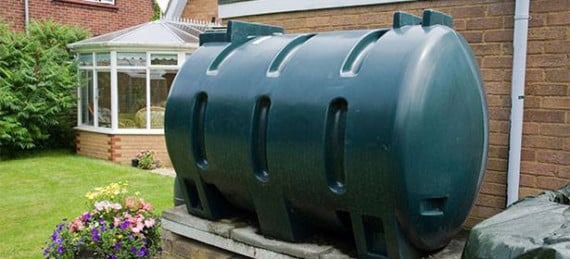
The number of people living in fuel poverty decreased from 9.9% in 2013 to 9.3% in 2018, a government report says.
However, it also states that average fuel costs are nearly £20 a week (£1,040) higher here than in the UK.
The report has been compiled using two measurements.
Under the ’10% indicator’ a household is considered fuel poor if it is required to spend more than 10% of its household income - after housing costs - to maintain a satisfactory level of heating.
-(1).jpeg?width=209&height=140&crop=209:145,smart&quality=75) Why are roads still icy after gritting? Isle of Man winter treatment explained
Why are roads still icy after gritting? Isle of Man winter treatment explained Airport had ‘no option’ but to close as safety concerns explained after disruption
 Live updates as schools and airport shut amid icy conditions across Isle of Man
 Decision on Isle of Man schools opening to be made in the morning
Under the ’Low Income High Costs’ indicator (LIHC) a household is considered fuel poor if its fuel costs are higher than the national median level, or if spending a required amount on fuel would leave an income below a defined level of disposable income.
In summary, the report finds:
â?¢ Fuel poverty on the Isle of Man has decreased from 9.9% in 2013 to 9.3% in 2018 under the LIHC indicator and 16.6% to 15.8% under 10% indicator
â?¢ Average weekly expenditure for households on all fuel types other than gas and coal has decreased compared to 2013
â?¢ Weekly expenditure on fuel in the Isle of Man is £42.50 per week, compared with £23.80 in the UK, with expenditure on oil being much greater than in the UK
â?¢ Weekly expenditure on all fuel types has decreased compared to 2013 for those aged under 64, while weekly expenditure on all fuel types other than gas has decreased for those aged over 65
â?¢ The proportion of fuel poor households is lower on the Isle of Man (9.3%) compared to England (10.9%)
â?¢ The average fuel poverty gap per household on the Island (£338 per annum) is slightly higher compared to England (£321 per annum), with the total fuel poverty gap being £1,124,278.
Over the period between 2006 to 2013, inflation, as measured by RPI was 28%, whilst fuel costs rose much faster over this period (76%), driven by large increases in oil prices.
For the period from 2013 to 2018, inflation, using CPI (the CPI measure began production in 2008) was 8.6%. However, actual fuel spending for households over this period fell by 2%.
Average weekly expenditure for households on all fuel types other than gas and coal has decreased compared to 2013.
The greatest decrease in expenditure is seen for wood/other and the greatest increase is for coal however, the total proportion of household income spent on these two fuel types is still comparatively lower compared to electricity, oil and gas.
Comments
This article has no comments yet. Be the first to leave a comment.