

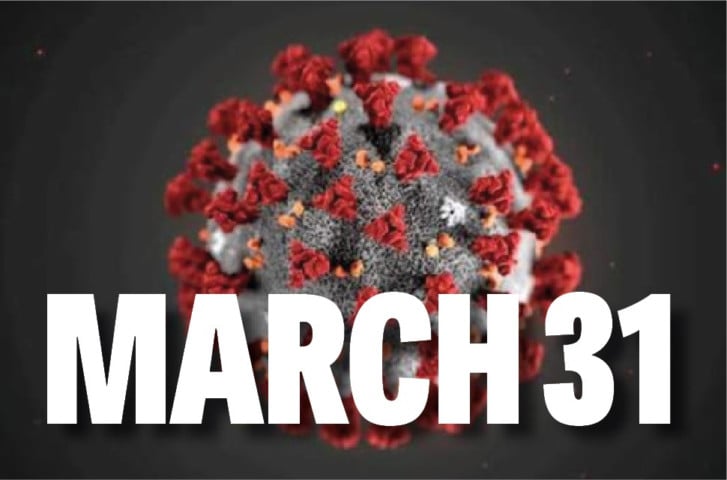
Chief Minister Alfred Cannan has outlined his plans to move the island toward an ’endemic approach’ to the pandemic, with sweeping changes due on March 31.
From this date, the core restrictive public health regulations will be suspended.
And there will be no public health checks or other restrictions upon arrival in the island.
Government-run contact tracing will also come to an end, and the legal restriction to self isolate will cease.
-(1).jpeg?width=209&height=140&crop=209:145,smart&quality=75)
.jpeg?width=209&height=140&crop=209:145,smart&quality=75)
.jpeg?width=209&height=140&crop=209:145,smart&quality=75)
The government defines a virus as being endemic when there are ’persistent, low or moderate levels of disease’ in a given geographical location - the Communicable Disease Control Handbook definition.
Introducing the changes, Mr Cannan said: ’As we enter February, spring is dawning on the horizon.
’And whilst we can look back on a challenging winter period from our island’s public health perspective, we can I believe look forward to the future with a sense of optimism.’
He said the island had ’led the way in terms of country responses to Omicron’, and the variant’s low rates of severe illness and death ’represent the first real step in Covid-19 becoming a disease that is endemic’.
The only travel restrictions in place from March 31 will be to prohibit those coming from UK ’red list’ (severe Covid risk) countries.
But travel declarations will need to be completed, with fines still in place for non-compliance.
Mr Cannan said ’he had no doubt that the vast majority in the community will welcome this move’, but ’we must be mindful that there will be some that wish to be more cautious, particularly those who are more vulnerable to disease’ and ’we must all continue to be tolerant and understanding’.
These major policy changes have been laid out in a Council of Ministers policy document titled ’Living with Covid-19 - Moving to an endemic approach’.
Following on from the last pandemic strategy report released in September (’Learning to live in a world with Covid-19’) , the government describes this new strategy as ’hopefully the last stage in learning to live with Covid-19’.
Hoping that the island will have reached an endemic state by March 31, the government says: ’What this means is that we would look to live with Covid-19, accepting that the virus is present in our community for the long term, that it is monitored to ensure we understand how it is affecting the island but we do not look to identify each and every case, and ultimately that Covid-19 is treated in the same way as other communicable diseases (such as influenza or norovirus) that we currently face’.
However, all these changes on March 31 are based on the stipulation that another variant of concern does not emerge ’that may lead to serious consequences’.
Should another variant of concern be identified, there are contingencies to change plans.
’It is important to note that at any point we may need to take a step back should new information, such as a new variant of concern, come to light, particularly as the effect of vaccine waning continues to be understood,’ the ministers’ document stated.
March 31 was chosen as a date because by this time all of the island’s eligible population will have been offered their vaccination and/or booster.
The changes are also operating on the basis that the island maintains a high level of immunity, either natural as a result of infection, or from vaccination.
Other key requirements are that vaccines remain available and effective, the health service is operating normally, and the situation on the island and in the UK remains stable.
The government will be moving its role away from the enforcing of restrictions, to an emphasis on providing guidance and advice, particularly for the most vulnerable in society.
It describes this as ’the formal move from legislation controlling people’s lives to guidance as to what to do and trusting them to do it’.
It would still be prepared to intervene if necessary, however.