
Options to reform the future funding of nursing and residential care are set out in a report to be debated by Tynwald.
The government says it is working towards putting in place a fairer and more sustainable system.
It’s a big and complex issue, set an increasingly ageing population.
Many people are fearful of the costs of paying for residential and nursing care - and believe it’s unfair that they may have to sell their homes to pay for that care.

.JPG?width=209&height=140&crop=209:145,smart&quality=75)
.jpeg?width=209&height=140&crop=209:145,smart&quality=75)
The over-65 population is expected to increase by 30 per cent to at least 22,453 by the year 2036.
Currently there are 964 registered care home beds in the island and about half of care home residents have an element of state funding.
The Council of Ministers’ report on the future funding of nursing and residential care outlines six possible options, including their advantages and disadvantages.
Modifying the present system is not deemed a suitable long-term solution. The options outlined are a threshold and cap scheme, an asset protection guarantee, free personal care like in Scotland, an hypothecated tax/social insurance model and a mixed model as adopted in Jersey.
It is recommended that detailed modelling of a new system will be carried out based on the Jersey and asset protection guarantee models, subject to the Tynwald debate.
A report on progress will be made in July 2019 following fuller public engagement and parallel investigations.
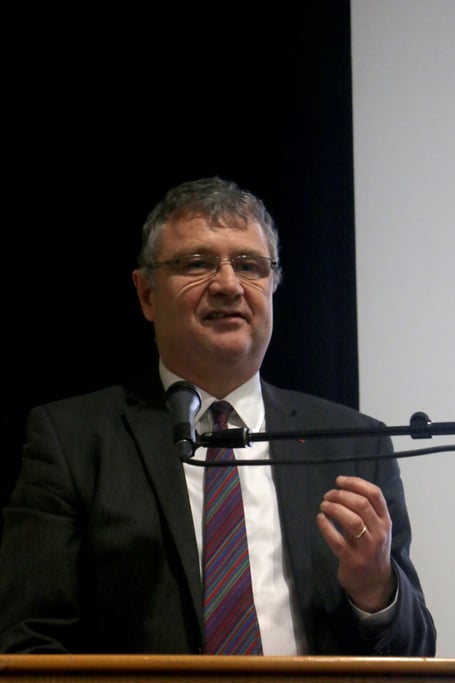
Policy and Reform Minister Chris Thomas MHK said: ’Ideas need to be translated into deliverable reform and fairer provision. This report on the future of nursing and residential care identifies policy options, considers their relative merits and lays out the next steps for what is a massive and complex issue.’
Comments
This article has no comments yet. Be the first to leave a comment.