


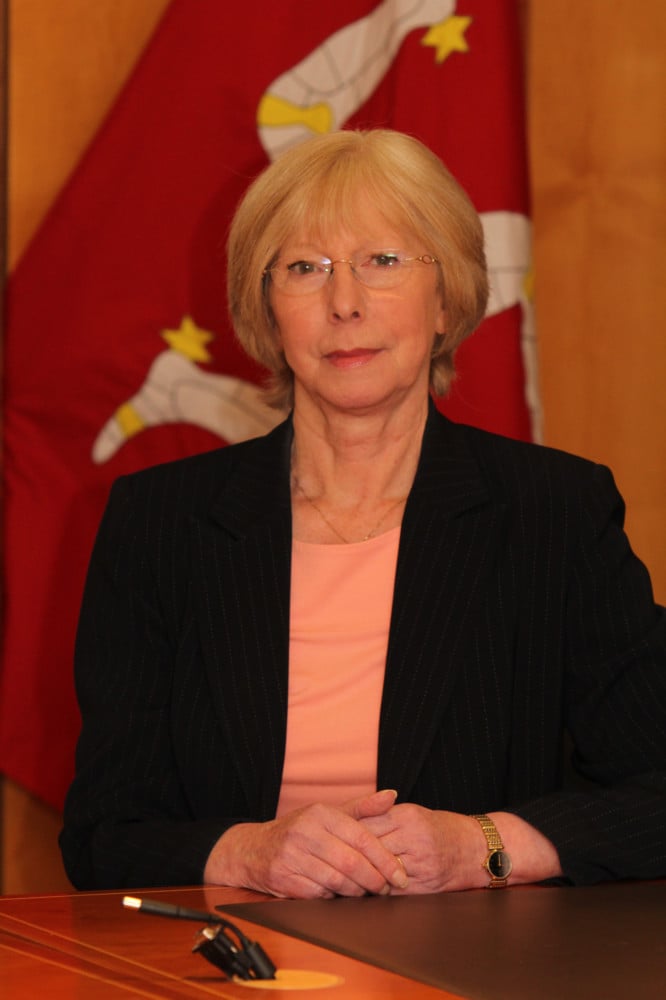
There was a heated exchange in Tynwald between the Health Minister and her former political member over the prospect of another budget overspend.
The Department of Health and Social Care had to ask for £11.1m of extra funding for the last financial year and £9m the year before.
It has been given an extra £11m in the Budget this year but will have to find an equivalent amount in savings.
And in a written reply to a Tynwald question, Health Minister Kate Beecroft indicated another supplementary vote may be necessary, admitting that expenditure remains ’higher than budgeted’ in the first quarter of this financial year 2017/18.


.jpg?width=209&height=140&crop=209:145,smart&quality=75)
In a statement to Tynwald on financial sustainability, Mrs Beecroft said her department was a facing a ’significant funding challenge’.
Several members expressed their frustration that this was statement and not a debate.
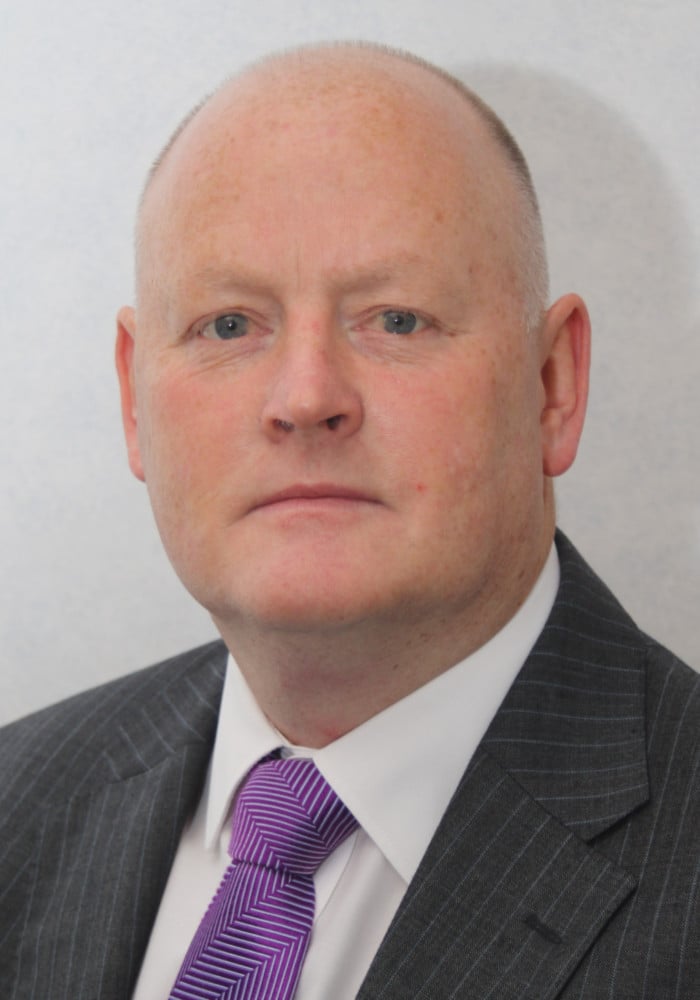
Rob Callister (Onchan) who resigned from the DHSC in March in protest at the Minister’s attempt to oust her chief executive, questioned whether Mrs Beecroft was up to the job.
He said: ’I must ask the Minister if she actually has control of this department and if the Minister herself actually has the skills and leadership to deliver the efficiencies, the improvements required but at the same time have the overall quality of the staff and the services that we need to go forward because everything I’m witnessing here is that the Minister is not fit for purpose.’
This prompted a furious response from Mrs Beecroft who questioned how he could dare criticise the staff and added: ’As to whether I have the correct skills or not I don’t think it’s for the member for Onchan.’
In her statement, the Minister said it was imperative that the DHSC achieves financial balance. Efficiency steps had already been taken in 2016-17 which will save more in the current financial year but additional measures had to be taken to meet the budget allocated and put the department on a sounder financial footing, she explained.
Outlining measures to improve efficiency, she said there was an action plan designed to reduce the reliance on agency staff by appointing staff to permanent roles. This was expected to generate savings of £1.66m in the surgical division.
Reducing the number of locum doctors in the medical division by replacing them with substantive consultant posts will begin to generate savings of just over £600k this year.
Portering, house-keeping, switchboard and the management structure were all being remodelled.
In the portering service, there had been a reduction in the number of posts by four and a like for like cost reduction of about £90,000 a year.
A planned new rota system for the switchboard which requires fewer staff to fill has targeted savings of £154,000, Mrs Beecroft explained. House-keeping had been completely re-organised with a target of saving £261,000.
Money could be saved by limited bank staff overtime. A cost improvement programme for Nobles had identified actions to meet just over £5.4m of the required £8.5m cost reduction, including a target to reduce sickness absence by 2 per cent.
Routine NHS funding has been suspended pending a policy review on a number of procedures deemed to have a low clinical value including adenoidectomy and tonsillectomy. But some members expressed concern that stopping routine funding for grommets to treat glue ear could be a false economy as children suffering delayed speech would cost more in the long run.
Comments
This article has no comments yet. Be the first to leave a comment.