
Death rates from heart disease and cancer in the island are higher than those in the UK, it has been revealed.
And public health officials are trying to find out why that’s the case.
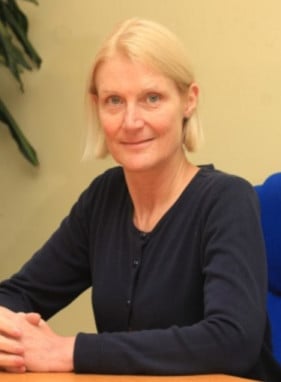
Dr Henrietta Ewart, the island’s new director of public health, said further work was needed to interpret preliminary findings.
She said that cardiovascular disease and cancers were areas where there were worse outcomes than expected given all the benefits we have of living in this island.




Dr Ewart said further work was needed to understand why the death rates are higher than in the UK and what can put in place to try to turn that situation around.
She told the Manx Independent: ’This was a preliminary finding which will need further work to interpret.
’We do know that lifestyle factors contribute to around a third of cancer cases and around two thirds of deaths from cardiovascular disease - across the developed world.’
Dr Ewart said smoking is still the most important modifiable risk factor for a wide range of diseases but obesity is rapidly catching up and will likely soon overtake smoking as the single most important cause of preventable ill health and premature death.
She said: ’We will not know how our rates of lifestyle risk factors compare to England until we have the results of the recent lifestyle survey.
’When finalised, it will be possible to compare our health outcome indicators with those published for England in the Public Health Outcomes Framework. We will be using our outcome data to identify priority areas for in-depth work to identify what we can do to improve things.
’This is likely to require a combination of lifestyle change to reduce risk of developing the conditions and review of existing healthcare pathways to ensure best evidence-based care for those who do.’
Dr Ewart was appointed the island’s director of public health in October last year, having previously served as interim director, added: ’We will be publishing all finished reports on health outcomes so they will be publicly available.
’It is essential that we engage the public - as individuals, families and communities - in working with us to reduce lifestyle risk factors.’
Comments
This article has no comments yet. Be the first to leave a comment.