
A Rushen MHK believes lateral flow testing is the way forward and that PCR tests are not always necessary. Currently, members of the public who test positive on a lateral flow test (LFT) are still required to get a PCR test to confirm their result.
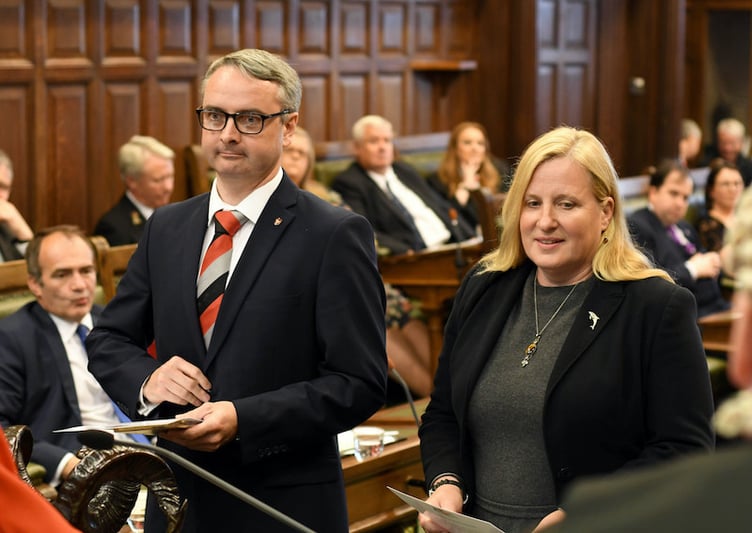
Michelle Haywood told the Manx Independent: ’I think we should consider accepting LFTs as proof of Covid infection.
’We heard from the chief minister that 93% of LFT results gave a positive PCR result too.
’I would be interested to know if any re-checks were done on the ones that gave a negative reaction, how do we explain that seven percent?
-(1).jpeg?width=209&height=140&crop=209:145,smart&quality=75)

’But I think there are some circumstances where requiring a PCR test is just double testing for the sake of it.’
She continued: ’My challenge was really about what difference did it make to what happens to the patient, and in the vast majority of cases you are advised to isolate for 10 days. This happens with the positive LFT result and the 10 days starts from then, so even when you have a PCR confirmation nothing changes.’
Risk
Dr Haywood explained that she had spoken to residents who have had to take children to the grandstand to get swabbed and for those who don’t drive, they must pay for a taxi and then take their child up to be tested.
’So we expose people to more risk and all that seems to be happening is that we are collection data,’ she said.
The Rushen MHK added: ’The real value in PCR is that it’s more sensitive, so in cases where the person has a negative LFT, the PCR should pick up the infection.
’PCR is definitely better but I’m not sure it’s always necessary as regards isolation and how we handle patients.
’You also need a PCR sample to test for variants of concern, but to be honest the numbers of samples tested here on the Isle of Man is so small that we are unlikely to do anything other than confirm what the UK are tracking.’
’But why subject children to a PCR confirmation swab, which isn’t pleasant, if we don’t really have to?
’I think this situation will evolve over time.
’The costs of testing are high and in our current situation with really high transmission, even the knowledge that levels are high doesn’t seem to be affecting policy or behaviour.’
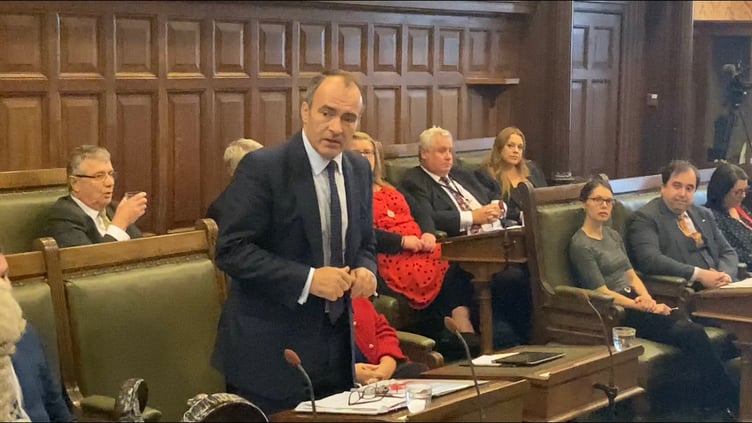
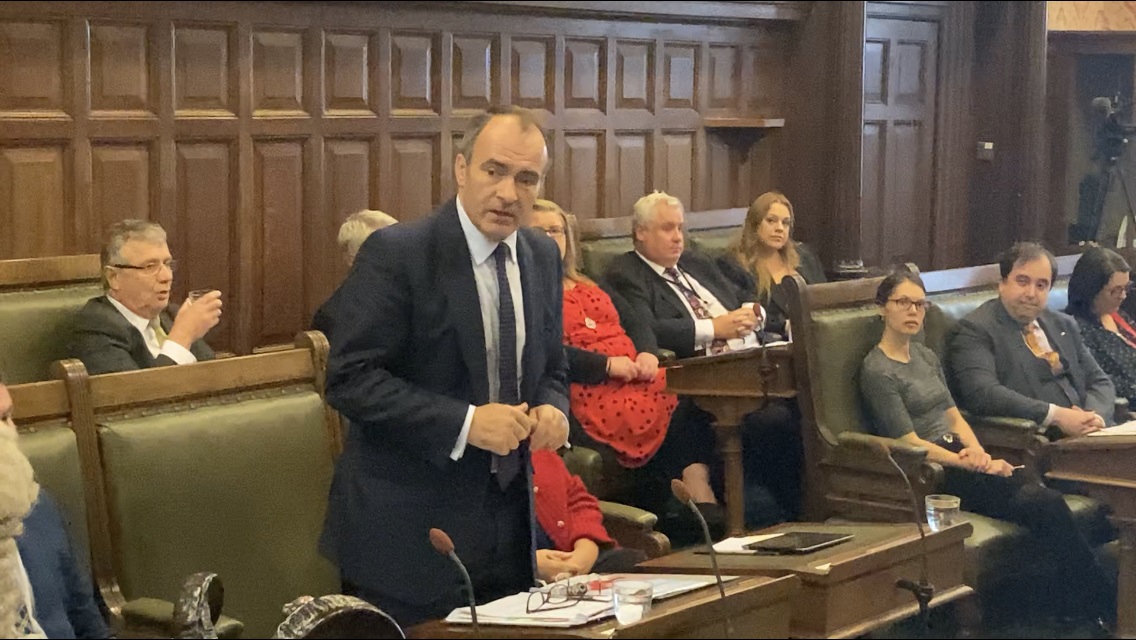
Dr Haywood asked Chief Minister Alfred Cannan whether he will review the protocol in the House of Keys sitting on Tuesday.
Mr Cannan explained that the ability to test for variants of concern and subsequent genomic sequencing for positive cases would be lost as well as the ability for people to use a confirmed positive test for the immunity exemption for travel purposes.
He also made the point that there may need to be a move back to full PCR testing in the event of a new variant, plus taking away PCR testing would make the island an ’outlier’ compared to other jurisdictions.
He summarised, saying: ’There may be attractive short-term savings but there would be an important number of control measures that would be lost and considerable inconvenience for people, travellers in particular, and the need to step back into a PCR process in the future, at additional cost, if needed.’
He said that there may be a change in approach in the future following advice but this is not currently intended.
A Rushen MHK believes lateral flow testing is the way forward and the need for PCR tests is unecessary.
Currently, members of the public who test positive on a lateral flow test (LFT) are still required to get a PCR test to confirm their result.
Michelle Haywood told the Manx Independent: ’I think we should consider accepting LFTs as proof of Covid infection.
’We heard from the chief minister that 93% of LFT results gave a positive PCR result too.
’I would be interested to know if any re-checks were done on the ones that gave a negative reaction, how do we explain that seven percent?
’But I think there are some circumstances where requiring a PCR test is just double testing for the sake of it.’
She continued: ’My challenge was really about what difference did it make to what happens to the patient, and in the vast majority of cases you are advised to isolate for 10 days. This happens with the positive LFT result and the 10 days starts from then, so even when you have a PCR confirmation nothing changes.’
Dr Haywood explained that she had spoken to residents who have had to take children to the grandstand to get swabbed and for those who don’t drive, they must pay for a taxi and then take their child up to be tested.
’So we expose people to more risk and all that seems to be happening is that we are collection data,’ she said.
The Rushen MHK added: ’The real value in PCR is that it’s more sensitive, so in cases where the person has a negative LFT, the PCR should pick up the infection.
’PCR is definitely better but I’m not sure it’s always necessary as regards isolation and how we handle patients.
’You also need a PCR sample to test for variants of concern, but to be honest the numbers of samples tested here on the Isle of Man is so small that we are unlikely to do anything other than confirm what the UK are tracking.’
’But why subject children to a PCR confirmation swab, which isn’t pleasant, if we don’t really have to?
’I think this situation will evolve over time.
’The costs of testing are high and in our current situation with really high transmission, even the knowledge that levels are high doesn’t seem to be affecting policy or behaviour.’
Dr Haywood asked Chief Minister Alfred Cannan whether he will review the protocol in the House of Keys sitting on Monday.
Mr Cannan explained that the ability to test for varients of concern and subsequent genomic sequencing for positive cases would be lost as well as the ability for people to use a confirmed positive test for the immunity exemption for travel purposes.
He also made the point that there may need to be a move back to full PCR testing in the event of a new variant, plus taking away PCR testing would make the island an ’outlier’ compared to other juridictions.
He summarised, saying: ’There may be attractive short-term savings but there would be an important number of control measures that would be lost and considerable inconvenience for people, travellers in particular, and the need to step back into a PCR process in the future, at additional cost, if needed.’
He said that there may be a change in approach in the future following advice but this is not currently intended.
Comments
This article has no comments yet. Be the first to leave a comment.