
The protection of a rare grasshopper is going to be boosted in an unusual way.
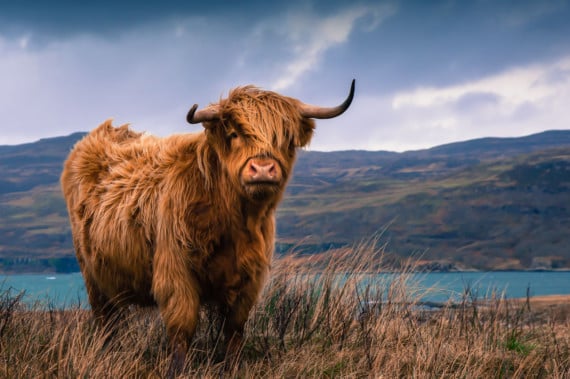
Highland cattle are going to be introduced to the area in which it lives.
The aim is to extend the habitat for the lesser mottled grasshopper on the Langness peninsular.
The area, which is near Ronaldsway Airport, is the only place in the British Isles where the lesser mottled grasshopper is found. Its nearest neighbours situated in continental Europe.


-Michelle-Cain-(R).jpeg?width=209&height=140&crop=209:145,smart&quality=75)
The peninsula forms part of a designated area of special scientific interest that also encompasses Derbyhaven and Sandwick.
Langness has been managed through grazing with sheep and cattle for many years, however, more recently, this has become problematic due to several incidents with dogs attacking sheep on the land.
Where grazing has been removed, areas of lesser mottled grasshopper habitat have become restricted to small isolated patches.
Cattle grazing at Langness should help to reconnect these areas and support a viable population of grasshoppers as well as benefiting other varieties of wildlife and flora in the long term.
Sophie Costain, a government biodiversity officer, said: ’Highland cattle are renowned for their hardiness, unfussy diet and ability to forage through more unpalatable vegetation.
’They also need little in the form of additional shelter or food. All these attributes mean they should adapt well to the exposed nature of Langness and their sure footedness will enable them to easily traverse the steep sided gullies.’
Langness will still be accessible to the public but walkers should be mindful of the cattle and keep to the public rights of way which are clearly marked on an information board in the car park.
All dogs must be kept on leads and all dog mess must be picked up and disposed of properly in the bins situated around the area.
Minister for Environment, Food and Agriculture Geoffrey Boot MHK said: ’The Isle of Man is home to rich and varied flora and fauna, some of which is rare and found in unique habitats.
’The presence of this species of grasshopper - which is not found in the adjacent islands - is yet another example of why the island has been designated a world biosphere region by UNESCO.’
The island has 21 designated sites of special scientific interest, one of which is also a National Nature Reserve; five bird sanctuaries; an area of special protection for birds; a Ramsar site; and a marine nature reserve.
Mr Boot added: ’We must continue our work to conserve areas for species of plants and animals in need of protection.
’This means safeguarding our unique habitats for the enjoyment and benefit of current and future generations and in doing so putting the Isle of Man and its unique biosphere firmly on the world map.’
Any concerns should be addressed to Wendi Keggin by phoning 219701 or [email protected].
Comments
This article has no comments yet. Be the first to leave a comment.