
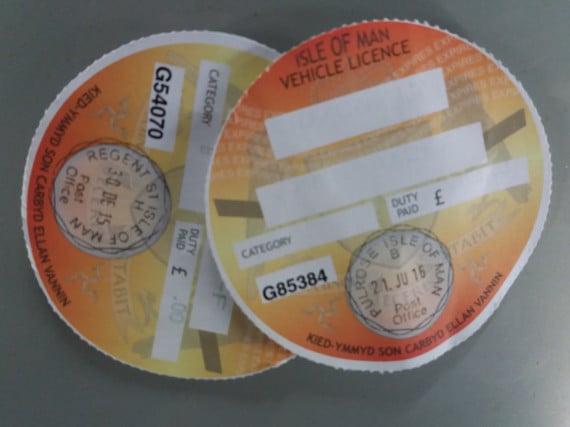
The public is being asked for its views on the future of car tax.
A public consultation has been launched as part of a full review of vehicle excise duty and possible alternative models to fund the maintenance of the island’s roads.
Last year, highways chiefs were forced into a U-turn on car tax hikes following an outcry when it emerged that thousands of motorists would be paying much higher rates.
The aim had been to tackle the disparity between fees based on carbon emissions and those based on engine capacity, which were historically lower.
.jpeg?width=209&height=140&crop=209:145,smart&quality=75)
-(3).jpeg?width=209&height=140&crop=209:145,smart&quality=75)


Owners of average older cars with a standard, smaller engine size found they would be hit with the largest increases.
But the proposals were withdrawn at the 11th hour by Infrastructure Minister Ray Harmer and Tynwald instead approved a 6% across the board increase in car tax.
A review of vehicle duty was conducted over the summer.
Car tax fees are calculated on engine size or on carbon emissions depending on the year a vehicle was first registered.
A total of 70,916 vehicles are currently taxed in the island, generating almost £13m for the upkeep of our 683-mile network of roads. This revenue is supplemented by some additional funding.
But the budget for highway maintenance has been reducing for many years.
And with a transition to electric powered vehicles expected in the years ahead, the Department of Infrastructure has taken the opportunity to carry out a root and branch review.
David Anderson MLC, department member with responsibility for highway services, said: ’The roads network is a major national asset that is absolutely crucial to the economic and social wellbeing of our island.
’We need to raise enough money to support the maintenance of our highways, otherwise we will see the continued deterioration of the network.’
Infrastructure Minister Ray Harmer MHK added: ’I believe that now is the right time to step back and consider the bigger picture in terms of vehicle duty.
’The department is looking to the future.’
Vehicle duty has become increasingly complicated in recent years. The current administration system has more than 80 different payment categories.
The DoI has sought to amend the charging structure to tackle inconsistencies between carbon emissions and engine size and to protect the environment by encouraging motorists to run less polluting vehicles. There is a commitment to introduce car tax payments by instalments.
You can complete the online questionnaire by emailing [email protected].
Closing date is March 2.
Comments
This article has no comments yet. Be the first to leave a comment.