
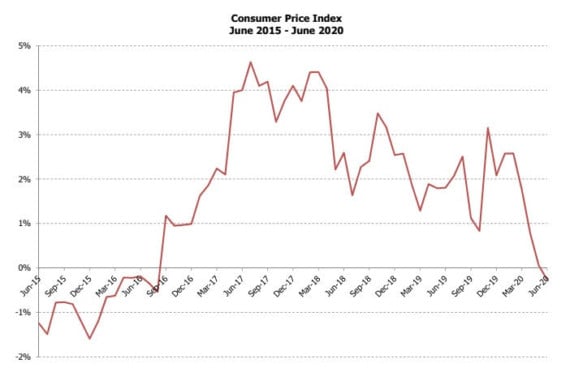
Plunging petrol and oil costs played a major role in the consumer price index falling to -0.3% last month.
It means that the island is witnessing deflation. In other words, things are cheaper now on average than a year ago.
But while there have been some dramatic decreases there are some notable price increases such as foodstuffs like pork and bacon.
Figures released by the government show that the petrol and oil decrease accounted for a 15.9% fall compared to the previous 12 months.


.jpeg?width=209&height=140&crop=209:145,smart&quality=75)

Since April 2020 clothing and footwear, housing, water, electricity, and other fuels and transport continue to remain the main factors driving a decrease in inflation over a 12-month period.
Clothing and footwear contributes a 0.6% decrease to the overall rate of inflation with prices for all products in this category decreasing compared to the same time last year.
Transport contributes to a 0.5% decrease in the rate of inflation. Within transport, other travel costs and petrol and oil both decreased by 12.2 % and 15.9% respectively compared to June 2019.
Both air and sea fares had previously been set to 0% in April 2020 because of the travel restrictions imposed in response to Covid-19, rendering these prices invalid.
There were some increases over the 12 months to June.
These included the price of pork, up 11.2%, driving lessons, up 11.1% and bacon prices rose 7.2%.
Postage went up by 8.8% and ’domestic help’ up 18.2%.
And coffee drinkers appear to be forking out more for a cuppa compared to tea drinkers. Tea saw a drop of 12.9% on the year compared to coffee and other hot drinks which saw a drop of 3.2%.
The last time the island saw deflation was in 2016.
Comments
This article has no comments yet. Be the first to leave a comment.