
The government doesn’t actually have a target for renewable energy, the chairman of Manx Utilities told MHKs.
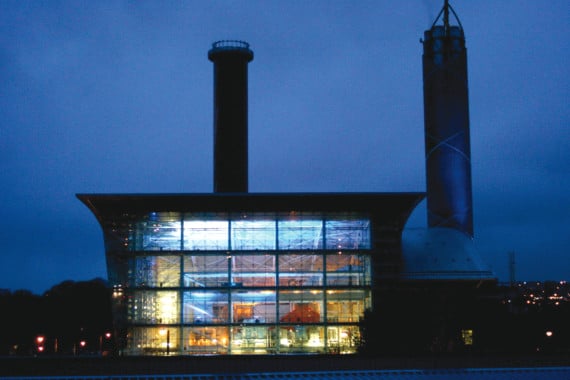
Dr Alex Allinson was asked in the House of Keys to set out how much electricity is currently generated from renewable sources and how much from the Energy from Waste plant - and how this compares to the government’s renewable energy target.
Replying the question from David Ashford (Douglas North), Dr Allinson said in the most recent calendar year it amounted to 3.2m kWh and 24.9m kWh respectively against a total island electricity demand of 409m units.
He explained that the government’s target of having 15 per cent of electricity generated from renewable sources by 2015 had been replaced in 2013 by a target of cutting greenhouse gas emissions to 80 per cent of 1990 levels by the year 2050.

.jpeg?width=209&height=140&crop=209:145,smart&quality=75)
.png?width=209&height=140&crop=209:145,smart&quality=75)

Referring to Mr Ashford’s reference to a renewable energy target, he said: ’We actually do not have one at present.’
Mr Ashford said CoMin had effectively abolished the target when they realised they were not going to meet it.
Dr Allinson said if the island were to shift away from reliance on fossil fuels to a purely electric economy powered by a combination of solar, tidal or wave power we could become self-sufficient for energy.
He said in 2016 86.3 per cent of the island’s energy demand was met by gas-fired generation, 6.1 per cent from Energy from Waste, 0.8 per cent from hydro-electric and only 0.3 per cent from diesel generation.
The Manx Utilities chairman said in order to achieve the target for emissions reductions by 2050, the current gas-fired and diesel generation facilities will need to be replaced with near-zero emission alternatives.
He told MHKs: ’Towards the end of the operating life of the existing generating plants at Pulrose and Peel, it would be our intention to replace such capacity with the most economic, safe and secure low carbon technology or technologies as might be available at that time.
’This approach is intended to ensure that we will meet government emission targets by 2050, and there is no reason to suppose that we will not be in a position to achieve this. ’
Dr Allinson said there has been a constant development of new technologies in the energy sector and the MUA is considering how it could help boost the number of electric vehicles on our roads, and use electricity to heat our homes through heat pump technology.
He said while it would be ’nice in an ideal world’ to move towards more renewable sources, he wanted people to be able to generate their own electricity at a local level, rather than government stepping in with what ’could be quite ambitious and expensive schemes that might drive up energy prices’.
At the moment 30 per cent of the island’s emissions come from space heating and over 17 per cent come from transport.
’If we are going to achieve these 2050 figures we need to make sure the energy we use to heat our homes is electric and the energy we use to power our vehicles, apart from certain agricultural vehicles, is either electric or hydrogen or other technologies that may be coming on,’ said Dr Allinson.
He said an energy efficiency scheme will be brought in at the end of this year, which will rely on people taking personal responsibility for their carbon emissions - and may increase costs in the short-term.
Comments
This article has no comments yet. Be the first to leave a comment.