
The ManxSPCA endeavours to help any animal in need, and will continue to do so during the current lockdown (observing all the necessary safety protocols).
Although the Society is most commonly associated with dogs and cats, it works closely with other charities and government departments to achieve the best outcomes for all the island’s animals whether they are classed as companion, commercial or wild.
The Society collaborates with Island Horse and Pony Aid (IHPA) to work with horse, pony and donkey owners, giving them advice about correct husbandry and care, and checking that any necessary improvements take place.
We have a number of cases of equine cruelty and neglect in the island every year but most issues arise because of ignorance, and an owner being ’over-horsed’ without sufficient funds or knowledge to care for their animal correctly.
-(2).jpeg?width=209&height=140&crop=209:145,smart&quality=75)

.jpeg?width=209&height=140&crop=209:145,smart&quality=75)
.jpeg?width=209&height=140&crop=209:145,smart&quality=75)
Well-intended ignorance is also the cause of many of the complaints that both the ManxSPCA and IHPA receive, particularly at this time of year.
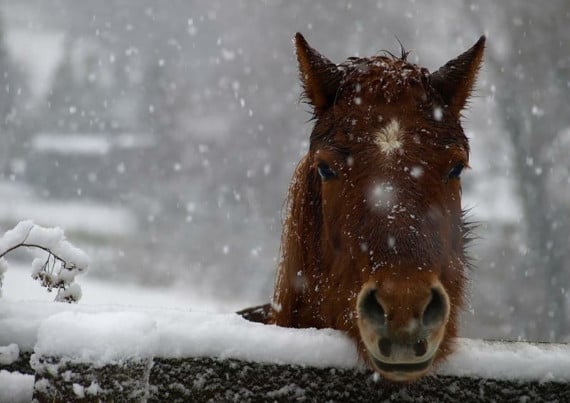
The most common complaint is that a horse or pony isn’t wearing a rug, when others in the same field have them on.
In fact, the British Horse Society is concerned that too many owners are putting rugs on their horses without there being sufficient need to do so.
Over-rugging causes problems with weight gain (the horse doesn’t use up enough calories in heating itself) and ill-fitting rugs are uncomfortable for the animal forced to wear them.
The owners of horses who are outdoors without a rug need to ensure that they don’t groom their horse or pony with an incorrect brush - a soft ’body’ brush will remove the grease from a horse’s coat, and this grease is what makes the coat waterproof.
They need to stick to using a stiff-bristled ’dandy’ brush, and only brush the areas that need it such as where the saddle fits.
Another misconception that some concerned callers have about horses is that they always sleep standing up.
It’s true that they can, and often do, sleep in this way, but most horses like to lie down for a snooze.
They will do this at any time of day, and can appear to be motionless for long periods of time.
We’ve had quite a few calls about ’dead horses’ in fields and we always urge the caller to watch and wait for the horse to wake up.
Horses don’t necessarily need a stable or field shelter, but they do need to be able to escape the worst of the elements by having trees or large hedges in their field that will afford them some protection from wind and rain.
Of course, they also need fresh water and a good supply of grass or other forage such as hay; and if their field is muddy they need to have access to an area that is not muddy to prevent ’mud-fever’ developing in their legs.
Some calls to the MSPCA about horse welfare are valid, and they usually involve a horse’s feet being overgrown. In such situations the MSPCA and IHPA endeavour to trace the owner as quickly as possible, ensure that a farrier has been contacted and then make a follow-up visit a couple of weeks later.
Compulsory microchipping of horses, ponies and donkeys would make this process far easier and this is something we will campaign for when the Animal Welfare Act finally becomes law in the island.
Another seasonal message is for dog owners - the recent icy weather has meant that many of our roads and pathways are covered in rock salt.
If you can, avoid walking your dog in these areas because the salt can burn a dog’s paws. If you have no option but to walk your dog on gritted surfaces, keep exposure to a minimum, and wash your dog’s feet as soon as you return home.
It’s also advisable to wash your dog’s tummy and legs - anywhere that may have been splashed by the salt - because your dog will ultimately lick these areas, and too much rock salt can be toxic to dogs (and cats for that matter).