.JPG?width=94&height=94&crop=1:1,smart&quality=75)

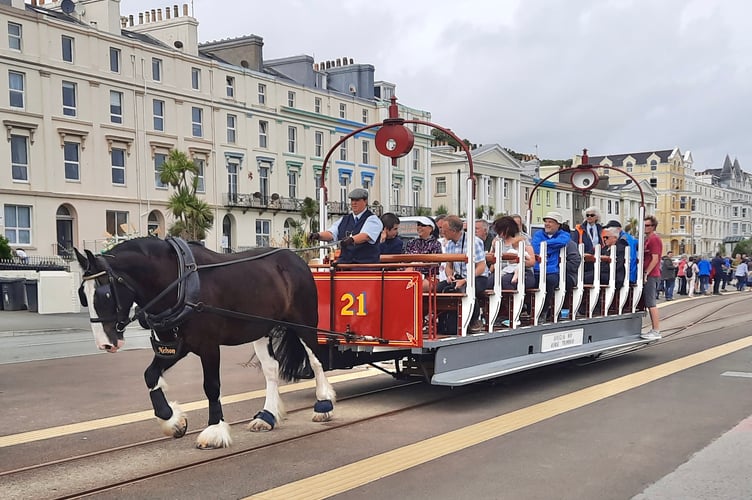
The Treasury Minister has defended the sizeable contingency built into the business case for extending the Douglas Bay Horse Tramway to the Sea Terminal amid sustained questioning from members of Tynwald.
Estimated costs for the project, including a 10% contingency, totalled £1.89m last year - but that contingency has now been increased to more than 50%, resulting in a revised figure of £3,036,170.
A contingency is an additional allowance built into a project budget to cover unforeseen costs, risks or delays.
During Tuesday’s Tynwald sitting, Treasury Minister Chris Thomas was asked what level of contingency had typically been applied to capital projects across the island over the last four years, and to explain the use of ‘optimism bias’ within the horse tramway business case.
In response, he said contingency levels applied by departments for capital and infrastructure projects had generally ranged between 0% and 10%, depending on the nature, complexity and stage of development of individual projects.
He explained that optimism bias reflected the tendency for early project estimates to be overly optimistic regarding costs, timescales and risks.
‘An evidence-based uplift is applied to initial estimates to provide a more realistic funding position,’ he said. ‘As the project progresses and risks are better understood and quantified, this uplift is reduced and may be replaced by more detailed risk analysis.’
However, several Tynwald members challenged the application of a 25% optimism bias to the horse tramway scheme, arguing that the project involved reinstating a relatively short section of track and could not be considered particularly complex.
Arbory, Castletown and Malew MHK Tim Glover questioned whether the reinstatement could justify such a high contingency, while other members suggested the project should be regarded as a standard engineering scheme rather than an innovative rail project.
In response, Mr Thomas said: ‘The Treasury’s role is to be sceptical, to be doubtful about the client's estimates of costs, and to encourage them to test those with the market and to understand the risks.’
Throughout the debate, members repeatedly sought clarification over who had ultimately decided to include the 25% optimism bias within the business case.
The Minister maintained that the business case belonged to the Department of Infrastructure (DOI), although Treasury had recommended that optimism bias be incorporated as part of the project's development process.
Questions were also raised over earlier estimates for the project, including references to a £750,000 figure and a later estimate of £2 million.
The Minister disputed suggestions that there had ever been a formal £750,000 scheme, stating that the figure related to a budget transfer approved during the Covid-19 period rather than a costed proposal for reinstatement works.
He acknowledged that the process had taken longer than expected but argued that proper project governance and financial regulations were necessary to avoid exposing the public purse to unnecessary risk.
‘We just need to move on to finalise these costs, because what matters is getting the horse tram track reinstated,’ he said.
‘The costs for the horse tram are likely only to go one way, and that is down during the course of this process.’