
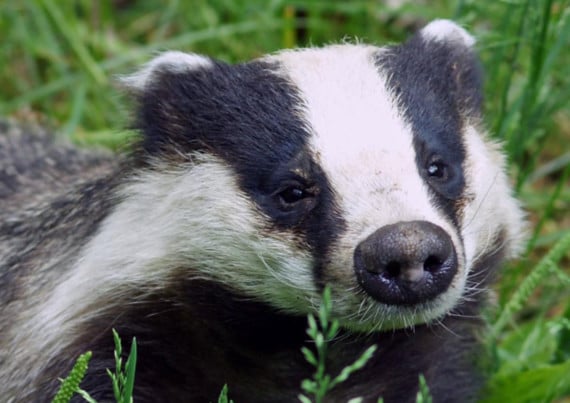
At a time when we all need some good news about infectious diseases, the latest information about the UK’s badger cull is a hopeful one.
At the beginning of the month the UK government announced that it would change its strategy and phase out the cull, which began in 2013, over the next few years.
Until now the culling of badgers has been the only strategy used to try to control the incidence of bovine TB which has had a devastating impact on the UK’s dairy and beef industries.
However, it is estimated that only 6% of cattle get the disease from badgers and that most transmission occurs from cow to cow.



.jpeg?width=209&height=140&crop=209:145,smart&quality=75)
There has not only been a great deal of criticism about the effectiveness of the cull, and its cost, but also about the killing of a protected species and the massive slaughter of wildlife (more than 100,000 badgers have been killed since 2013).
Worryingly the number of badgers culled has not been proportionate to the reduction in the incidence of bovine TB in cattle, although in most areas a slight reduction was achieved when badger numbers were significantly reduced.
Over the long term the spread of bovine TB gets worse after a badger cull because the remaining animals spread out and increase their territory, thus spreading the disease over a wider area. This is a change in badgers’ natural behaviour - they are normally very good at ’self-isolating’ and stick to their family groups and well-defined territories.
So, what has prompted the change in government policy?
Previously it wasn’t possible to determine whether cattle tested positive for bovine TB because they had the disease, or because they had been vaccinated. Now, the Animal and Plant Health Agency has developed an effective test which will be trialled against the vaccine (the same BCG one that is used in humans).
This will also be used to vaccinate badgers, which will be no easy task because it will involve hundreds of vaccinators and traps.
Once vaccinated the badger will have an area of its fur shaved, so that if it’s unlucky enough to be caught again the vaccinators will know it’s already been treated.
It is estimated by scientists that only 30% of badgers will need to be vaccinated in order to create herd immunity, a phrase we’ve all heard so much about in relation to the COVID-19 virus.
The good news about the culling is tempered with the caveat that it will not be halted immediately. There will also be a continued option to cull where epidemiological assessments indicate that eradicating badgers will have a significant impact on bovine TB. Given these assessments will be conducted locally, and will not necessarily be scientifically rigorous, the door is very definitely still open for badger culling.
Talking of open doors, the ManxSPCA is committed to maintaining its animal rescue and rehoming services as much as it possibly can do during these difficult times.
Animal viewing at Ard Jerkyll has been suspended and the tearooms will move to a ’take-away’ service, but animal welfare staff will be on hand to deal with concerns from members of the public.
If possible please telephone on 851672 rather than visit Ard Jerkyll, and leave a message on the answer machine if a member of staff can’t take your call straight away. They will call you back.
Comments
This article has no comments yet. Be the first to leave a comment.