

After reaching carbon neutral status in 2022, Standard Bank Isle of Man has announced that it is now working towards its goal of becoming a net zero organisation.
So what is the difference between carbon neutral and net zero and why is it important?
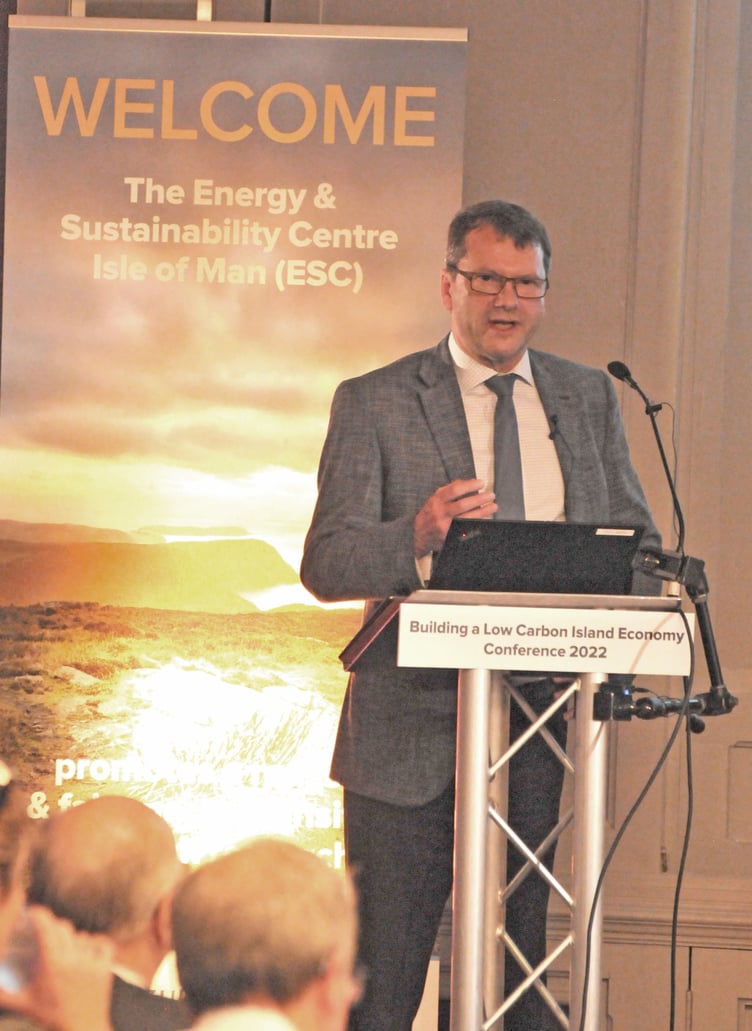
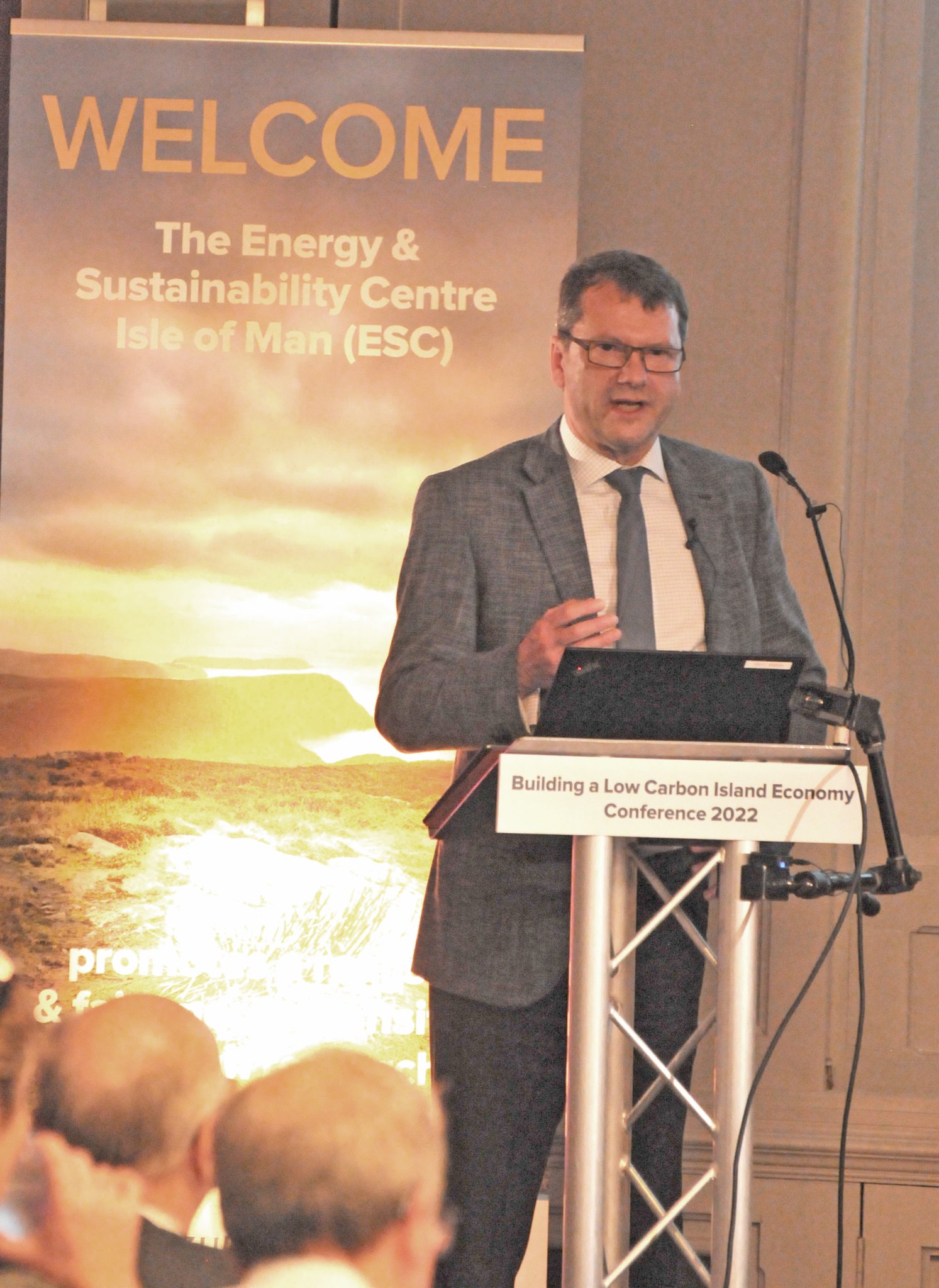
We asked Ralph Peake, director of the Energy and Sustainability Centre IOM (ESG).
He said: ‘Many of our activities emit gases into the atmosphere which affect the climate. Most of these emissions are related to using fossil fuels – natural gas, oil and coal – for electricity, heating, transport, materials and chemicals.


-(2).jpeg?width=209&height=140&crop=209:145,smart&quality=75)

‘They are called greenhouse gases because they trap the sun’s heat like closing the windows of a greenhouse. Fossil fuels contain carbon and burning them produces carbon dioxide, CO2, the main greenhouse gas.
‘Many organisations and governments, including the Isle of Man, have committed to reduce their emissions of greenhouse gases to effectively zero over the next few decades.
‘This includes all greenhouse gases, such as natural gas (methane), nitrous oxides and fluorocarbons. It is difficult to stop all emissions and so one option is to offset what has been produced by removing or capturing carbon dioxide from the atmosphere.’
The simple definition of carbon neutral, he went on to explain is that ‘any carbon dioxide produced by a company or country through its activities is balanced by the amount of carbon dioxide which it captures, for example, through growing new trees’.
Typically a business will work with a specialist environmental firm who will provide the offsetting activities.
Standard Bank’s Group, for example, achieved carbon neutral status through their partnership with sustainability experts, ClimatePartner UK, and offsetting emissions through Africa-based certified carbon projects such as solar energy and clean cooking stoves.
Net zero emissions takes the idea a stage further.
Mr Peake explained: ‘This is where a company, or country, reduces its emissions of all greenhouse gases to near zero and any remaining emissions are balanced by the amount of carbon dioxide it permanently removes from the atmosphere, for example, by capturing it with chemicals and putting it permanently underground.’
This is what Standard Bank is now aiming for.
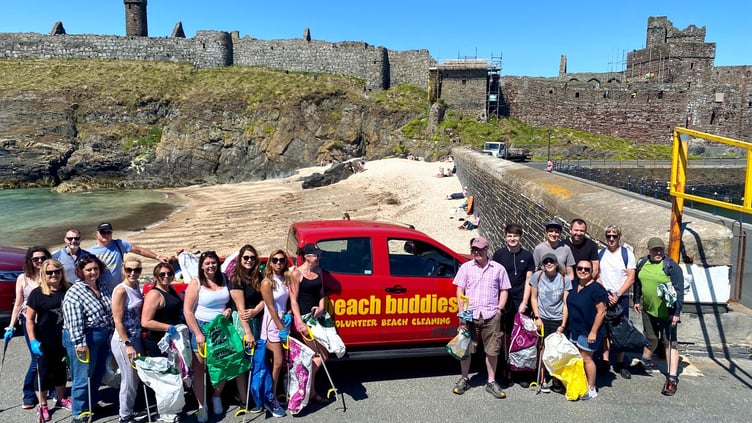
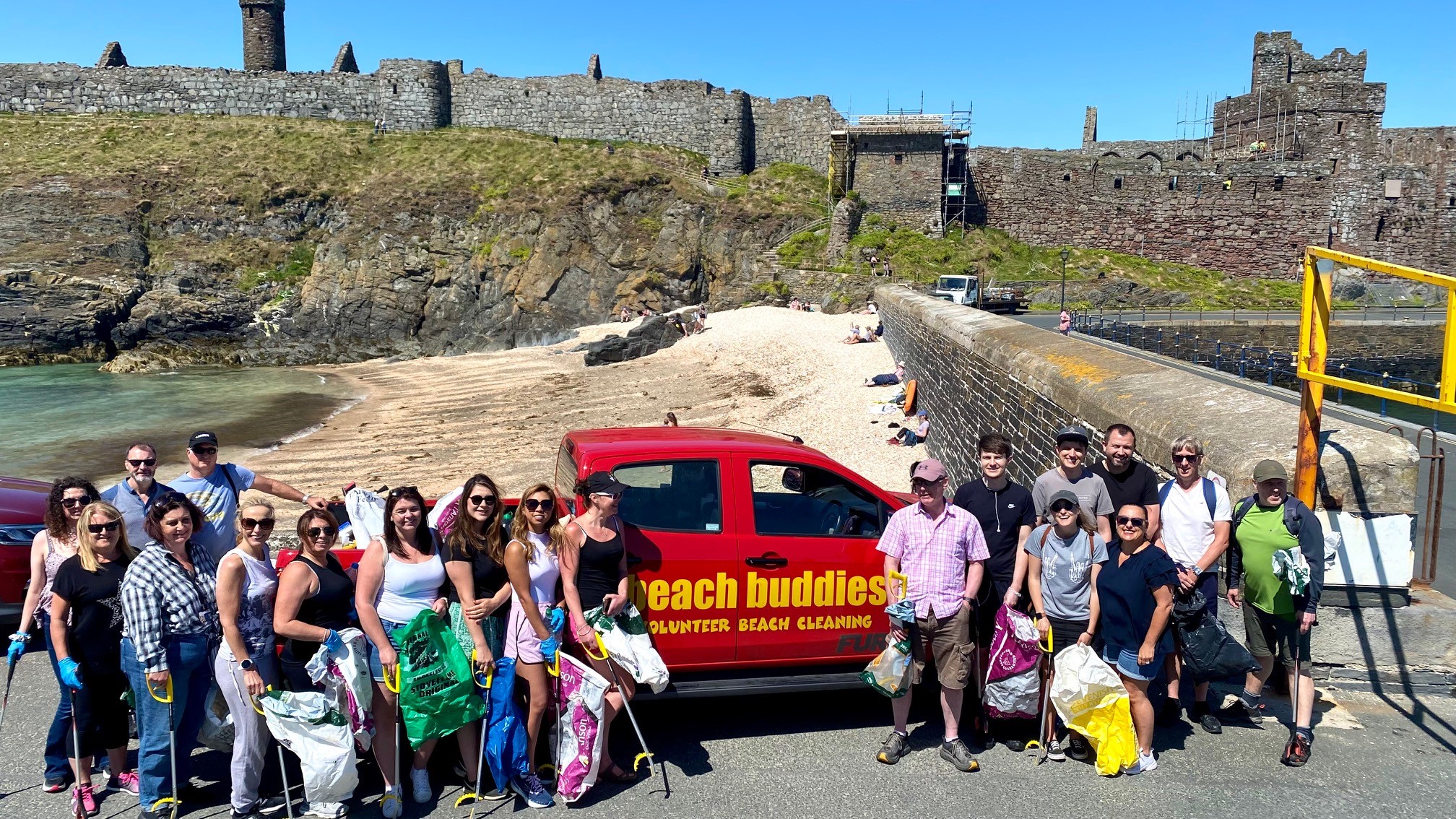
On the Isle of Man the company is a UNESCO Biosphere partner and, as part of this, all employees are gifted two volunteering days each year to support island initiatives, such as giving time to local charity Isle of Play and Beach Buddies.
On a much larger scale, more than 3,300 saplings were supplied to the Isle of Man Woodland Trust to further its tree planting scheme, with Standard Bank employees also undertaking hundreds of combined volunteering hours with the trust.
Comments
This article has no comments yet. Be the first to leave a comment.