
I make no apology for returning this week to the report from Sir Jonathan Michael on the future of the Isle of Man’s health and social care system.
For his recommendations, approved unanimously by the May sitting of Tynwald, carry implications that reach far beyond the services under review.
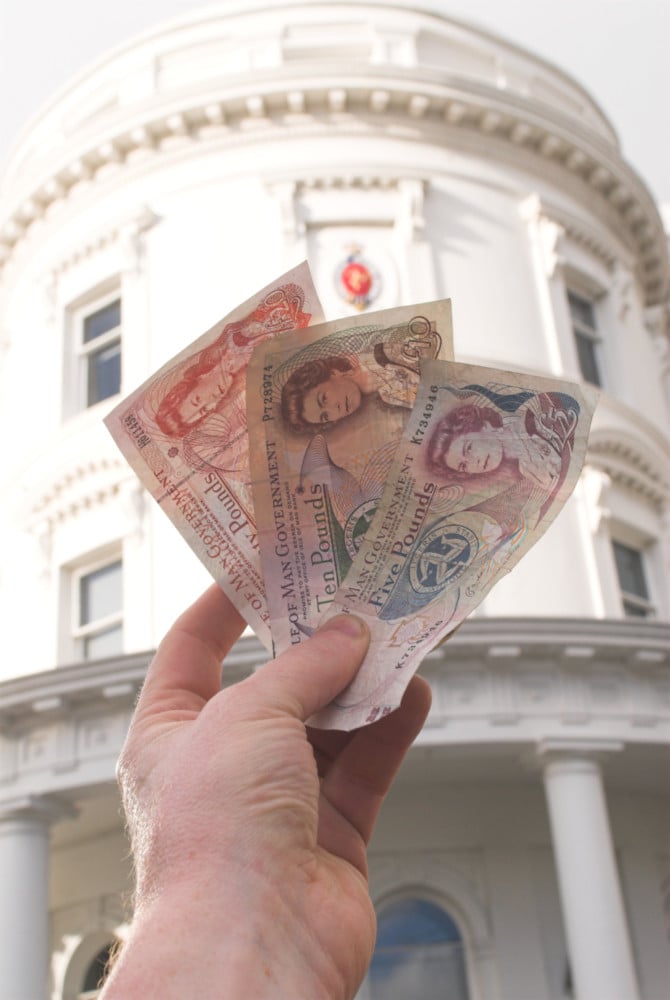
Sir Jonathan’s conclusions on funding are a wake-up call for a community that has got used to having extensive public services without paying the full price. In future we will need to pay more for our NHS, or get less.
For over 20 years, from the mid 1980s onwards, the island managed to massively increase government spending while reducing tax rates and avoiding borrowing.
.jpeg?width=209&height=140&crop=209:145,smart&quality=75) Horse trams could return to full Prom route as plans head for Tynwald
Horse trams could return to full Prom route as plans head for Tynwald Liverpool Ferry Terminal has cost Isle of Man taxpayers 'more than £100 million'
 Isle of Man Financial Services Authority publishes pensions bill feedback statement
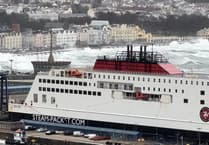 Four asylum seekers among 13 people who tried to enter island illegally
Severing the usual connection between expenditure and taxation produced a kind of political weightlessness, in which MHKs could float quite comfortably. The ability to spend without consequences helped them in their primary task of keeping most of the people happy most of the time, and being all things to all men.
This gravity-free environment, in which everything and nothing was a priority, bred public complacency and bureaucratic inefficiency. We believed our services were better because they cost more, which was not always true.
The official explanation for the Manx fiscal miracle was phenomenal economic growth driven by a low-tax regime. It seemed that low tax was not only compatible with generous public expenditure, but perhaps even a necessary prerequisite.
What the official explanation failed to say was that the island’s spending spree had also been funded by the very favourable terms of its VAT sharing arrangement with the United Kingdom.
When that arrangement was reviewed and reduced in the wake of the 2008 financial crisis, the Isle of Man began to re-enter the earth’s atmosphere.
As politicians adjusted to the new reality, their initial emphasis was on cutting the fat from a public sector that had grown overweight if not morbidly obese. The VAT shock was an opportunity to pursue value for money, and the temptation to hike other taxes was largely resisted.
When government did attempt to pass on costs to the public, as with the notorious ’toilet tax’, there were howls of protest on behalf of a pampered populace. The sewerage debacle, and other less pungent controversies, created an air of hysteria in which any increase in fees or charges was denounced as a ’stealth tax’.
The Quayle administration seems much more relaxed about spending but (apart from changes to the ’tax cap’ regime) there has still been no prospect of an increase in the burden of taxation. Until now.
The Michael report makes it clear that even if significant efficiency savings are achieved there will still be a sizeable funding gap for health and social care, growing to as much as £120 million a year in 15 years’ time.
Sir Jonathan observes that it would be ’unwise’ to rely upon rising revenues from economic growth - a familiar comfort blanket for Manx politicians - as the sole means of bridging the gap.
The options he sets out will test the true complexion of our elected representatives, unless they duck the issue.
Choices include increasing income tax and/or national insurance, introducing a new tax ring-fenced for health and social care, moving to a system of private or social insurance, extending the use of charging, or taking funds from other departments.
Sir Jonathan’s suggested timetable for transformation sees the necessary changes in legislation being completed by the middle of 2021. This would presumably include any amendments arising from decisions on funding.
The schedule is highly ambitious for such a massive project, but it underlines the need to maintain momentum and create the framework for change before things start to drift.
This can only happen if health and care reform is pushed as a top corporate priority by the Council of Ministers, and addressed as a complete package of work.
Deadlines and political accountability for progress should be clearly identified, as in the Programme for Government.
As this has become a cross-departmental project, one that really matters to the people of the island, lead political responsibility should rest with the Chief Minister.
And sooner rather than later we need an honest national debate on how health and social care can be funded sustainably, including the increasingly likely option of raising tax rates.
This could be an unsettling exercise for members, particularly in the run-up to a general election. It will open up questions around the effectiveness and fairness of the current fiscal regime, such as the spending of other departments and the revenue contribution, or lack of it, from companies.
Early indications are that the Treasury, which wisely commissioned the Michael review, is in no hurry to tackle its long-term funding implications.
The Minister told Tynwald that his department would look at a settlement once the new organisational structure for health and social care was established, and following further work on the funding gap that ’may’ exist.
This is hardly striking while the iron is hot, and suggests a protracted transformation programme that could become bogged down in accountancy and administration.
If the Council of Ministers is serious about seizing this opportunity to secure the future of the island’s most important public services, it must put in place all the foundations for reform including the principles, policies and legislation that will underpin sustainable funding.
Without a clear and comprehensive political template the initiative could be lost, once again.
Doubtless Tynwald members will be pressing for clarification, in the public interest, of the timetable for change and the leadership of the process.
Comments
This article has no comments yet. Be the first to leave a comment.