
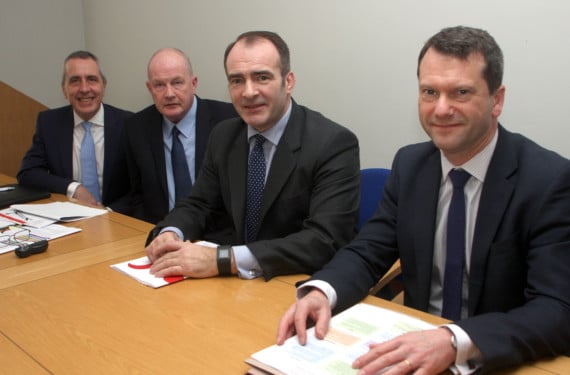
Support for working families was a key theme as Treasury Minister Alfred Cannan MHK unveiled his first Budget in Tynwald today.
Mr Cannan announced the largest ever single increase in income tax personal allowance and the first rise in child benefit payments for seven years.
’Now is the time to recognise the contribution of working families and individuals who have been asked to tighten their belts over the past few years’, declared the Minister.
There was also more funding for health services and additional support for meeting the cost of nursing care.

.JPG?width=209&height=140&crop=209:145,smart&quality=75)
.jpeg?width=209&height=140&crop=209:145,smart&quality=75)
At the same time Mr Cannan announced the very wealthy would start paying more tax. He said the tax cap will stay but will be higher in future, with an increase being ’both morally and financially justifiable’.
Describing his Budget as one of ’optimism and confidence’, the Minister set out a five-year plan to secure sustainability in the island’s public finances.
This includes finding additional annual savings totalling £25 million with members of the public invited to suggest ideas for cost reductions.
Personal income tax allowance will increase by £2,000 to £12,500, making more than 44,000 individuals better off and lifting 3,300 out of the tax net.
Child Benefit is to rise by 2 per cent, the first increase since 2010.
There is an additional £11 million annual funding for health services.
And there is a £25 per week benefits increase for individuals paying for residential nursing care, plus an increase in the maximum tax deduction for nursing expenses from £9,300 to £12,500.
The tax cap for new entrants to the scheme to increase from £125,000 to £150,000 in 2018-19, to £175,000 in 2019-20 and to £200,000 in 2020-21.
A new cross-government savings and efficiencies team, tasked with finding additional annual savings totalling £25m, will be asking Ministers and Chief Officers for cost reduction options.
Other Tynwald members, government staff and the public will be able to submit their savings suggestions through an online portal.
There will be a five-year capital investment programme of £388m, including £298m of engineering and construction projects, supporting the public service infrastructure, economy and employment.
The £50m Enterprise Development Fund and zero/10 corporate taxation regime for business will continue.
As part of a five-year financial plan to secure a sustainable reserves position by 2021-22, £80m of reserves will be used in 2017/18, including £50m of investment income.
The value of reserves today is £1.6bn, projected to rise to £1.66bn by 2021-22.
Government’s employer contribution to public sector pensions will be held at 15 per cent. The Public Service Pension Reserve will run dry by 2020-21, leaving a £58m shortfall to be met from general revenue.
A 1 per cent cap on budget for government staff pay awards will continue.
The basic state pension will rise by 2.5 per cent. Maximum tax deduction for interest paid on loans and mortgages reduced from £7,500 to £5,000.
In line with the UK, Class 2 National Insurance contributions for the self-employed will be abolished with an increase in their Class 4 contributions from 8 per cent to 11 per cent from April 2018.
Some £1 million will be put aside to establish a new Brexit Fund, for issues arising from the UK’s departure from the EU.
And Mr Cannan anounced a new benefit in kind incentive to encourage cycling to work.
Comments
This article has no comments yet. Be the first to leave a comment.