

Poverty in the island continues to grow, a Tynwald select committee has heard.
Representatives of Graih, the Foodbank and the island’s Salvation Army provided evidence to the committee, which was established to examine issues relating to poverty in the Isle of Man, at its first hearing on Monday (December 3).
Chaired by the Speaker of Keys Juan Watterson, the committee was told of the concerns that the different spokesmen have about the increase in people needing support.
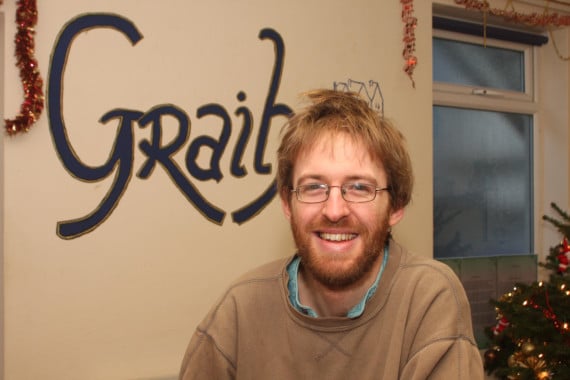
Michael Manning of Graih (pictured), which has helped those facing homelessness for 10 years, said: ’Graih is certainly sufficiently concerned about the rising demand for basic shelter for both men and women that we have seen this year. In 2017 we had contact with 202 different individuals.’
.JPG?width=209&height=140&crop=209:145,smart&quality=75)
.jpeg?width=209&height=140&crop=209:145,smart&quality=75)
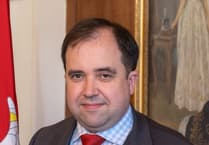

Foodbank director, Neal Mellon, said: ’We started about five years ago putting out 150 food parcels... over this last summer we have been putting out 250 food parcels on average per month.’
The representatives - including Lieutenant Dylan Nieuwoudt and Derek Norton from the Salvation Army - explained at the Legislative Council chamber in Douglas how their charitable services have no set definition for poverty.
Mr Mellon said: ’Poverty is multi-faceted and complex. There is no one answer to it because there’s no one cause.
’The biggest triggers [of poverty] are breakdown in relationship, physical and mental health issues, debt, benefit issues and poverty in unemployment.’
Lieutenant Nieuwoudt said: ’It’s much more than simply not having enough money for basic needs such as food, fuel or shelter. It’s health and their well-being and emotional well-being and also includes their spiritual well-being.’
Mr Manning added: ’I think we tend to deal with people at the very bottom of most social, physical, educational ladders in society and poverty is a deeply multi-faceted beast.’
One hot topic was about the individuals they’d helped who had been sleeping in tents, vehicles and couch surfing for long periods of time.
’In 2015 we provided three overnight bed spaces through the course of the drop-in [which were] hardly needed at all. Those numbers have been ticking up since then,’ said Mr Manning.
In 2016 Graih had 19 people using the beds and this went up to 43 last year. He said the charity is not able to keep up with the demand due to a lack of facilities and the fact that it relies on volunteers to deliver those services.
Those using the service are said to be predominately men between their 30s and 60s who were either born here or are long-term residents. There is a minority of females who Mr Manning says are in a more ’vulnerable situation’ as it’s difficult to accommodate them at the drop-in.
The Foodbank has seen a rise in families coming to them for support.
The families they work with have between £30 and £50 a week to feed four to six members. This follows interviews carried out by the Foodbank which looks at its clients’ incomes and outgoings - including everything but food - as a means to make them independent again.
Over time, clients have moved from being predominately male to a 50/50 male and female split in individuals. Mr Mellon said: ’50 odd percent of our clients are Manx. The rest are British Isles and then down to immigrants.’
Looking at solutions to the problem, Mr Norton said: ’What we really want is to develop an inclusive society where there is a real opportunity for participation... We want people to live positive and happy lives.’
Lieutenant Nieuwoudt added that to combat poverty the island needs ’affordable and accessible housing, education, healthcare and opportunities to learn skills and to develop those skills and then to use those skills’.
Mr Manning suggested the committee should ’meet with the people who are in need’ and ’where they are’ to progress in its work to uncover more about poverty.
Mr Watterson thanked the spokesmen for contributing to the committee’s first attempt at ’making eye contact with the problem’.
Comments
This article has no comments yet. Be the first to leave a comment.