

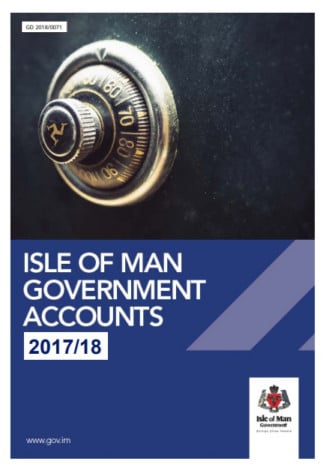
The number of the highest earners in government is increasing, latest government accounts show.
And for the first time, there is a central government staff member who pocketed between £350,000 and £375,000.
The so-called Dark Blue Book of audited accounts show that the number of government employees earning above £200,000 has risen to 26, up from 24 the previous year and 18 in 2015-16.
In 2015-16 there was no one earning more than £325,000. Now there are two, including one taking home more than £350,000.
.jpeg?width=209&height=140&crop=209:145,smart&quality=75)
.jpeg?width=209&height=140&crop=209:145,smart&quality=75)
The figures listed in the Dark Blue Book include gross pay including compensation payments but exclude employers’ pension contributions and settlement payments.
But they seem to conflict with numbers given in a House of Keys written reply earlier this month which suggested there were just 13 staff, all employed by the Department of Health and Social Care, who earned between £200,000 and £240,000 and nobody earned above £280,000.
There was one statutory board employee who earned above £270,000.
Other statistics in the Dark Blue Book show that the government pension scheme liability reduced by £100m during the year to £3,723m principally due to an actuarial gain of £223m. This liability had increased the previous year by £832m to £3,823m.
But it also reveals that a £20.5m surplus in the government’s operating account in 2016-16 has been converted into a £191.3m deficit, largely due to an unrealised loss on investments and increased department spending.
Gross government income of £1,102.1m was above budget, mainly due to an extra £22m collected in income tax and an extra £13.7m in National Insurance income.
But it was also a decrease of £87m from the previous year and was the result of an unrealised loss on investments of £60.4m. And gross revenue expenditure of £1,282.8m was also up on the £1,180.6m the previous year. Departmental spending before consolidation adjustments is up by around £26m.
Customs and Excise income was £358.8m, up from £346.8m the previous year. This comprises £347.6m from the revenue sharing arrangement with the UK.
Capital
Total capital expenditure was £41.5m, much lower than the original budget of £88.3m, and below the £66.1m of 2016-17.
Capital expenditure was low due to delays on certain significant schemes.
Supplementary votes totalling £5.1m were approved in 2017-18. Some £3.5m was approved for the purchase of land for the Liverpool ferry landing stage and £5m for day care services accommodation at Eastcliffe.
The balance of the capital fund at the end of the year was £797.9m, down from £880.1m the previous year.
In 2017/18 the market value of the investments - net of transfers into and out of the funds - dropped by £55.9m to £1,551.7m. Treasury deposits rose by £75.6m to £315.9m.
Government has also issued its quarterly economic report and it reveals more worrying news in relation to population growth, on which its revenues depend.
It shows the estimated total population growth in September was less than 100 than the same period last year but the number of under-65s actually fell by almost 200 over the same period.
House prices are up over the last 12 months but flat prices have fallen. Average house price was £273,034.
Comments
This article has no comments yet. Be the first to leave a comment.