

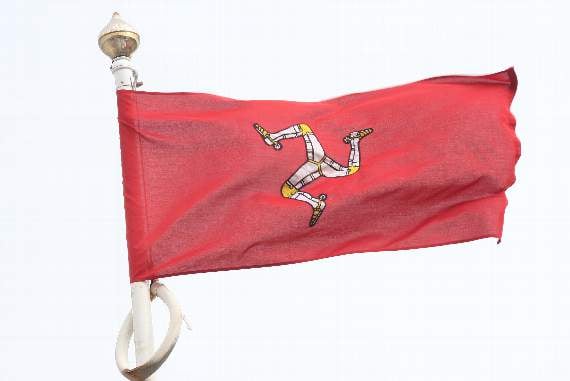
The number of babies born in the Isle of Man has fallen to the lowest level in 30 years.
Figures released by Treasury’s economic affairs unit show that in 2016, the number of births fell for the sixth consecutive year causing the natural population to shrink by 94.
A declining - and ageing - population would have a major impact on the Manx economy in the years to come. It means reduced tax revenues available to fund increasing pension and health costs, falling school rolls, and a growing skills shortage.
The figures were supplied to Isle of Man Population Atlas author and general election candidate Paul Craine, and comes as last year’s interim census is due to be presented at the March sitting of Tynwald.
 Operating the Isle of Man’s Liverpool ferry terminal costs more than £710,000 a year
-(1).jpeg?width=209&height=140&crop=209:145,smart&quality=75) Treasury working with MiCard users to ensure they have access to benefits cash
Treasury working with MiCard users to ensure they have access to benefits cash.jpeg?width=209&height=140&crop=209:145,smart&quality=75) Treasury Minister outlines plans to tighten the Isle of Man's immigration system
Treasury Minister outlines plans to tighten the Isle of Man's immigration system New inflation-linked system to set public sector rents on the Isle of Man from 2026
They show that after peaking at 1,023 in 2010, births have fallen very sharply to 758, the lowest number of births in the island since 1987 - and a 25.9 per cent decline in just six years.
The 2016 total is 27 fewer than in 2015, a fall of 3.4 per cent in one year. Meanwhile, the number of deaths recorded in 2016 was 852, just two more than the previous year.
In 2015, the number of births fell below the number of deaths for the first time since 2000. In 2010 births exceeded deaths to give a natural population increase of 214. But in 2015 there was a natural decline in the population of 65. In 2016 deaths exceeded births by 94.
Mr Craine said: ‘The consequences of the falling number of births will be significant.
‘The reduced number of births has already impacted on the retail sector in relation to outlets selling baby goods. Nursery numbers are declining annually
‘The average year group across the island’s 34 primary schools currently has well over 900 pupils.
‘Five years from now this figure may be below 800 raising the threat of rationalisation and school closure. Eventually the declining numbers will catch up with secondary schools and with the employment market.’
Figures from CoMin’s quarterly report indicate the island’s population was about 83,900 at the time of the 2016 census.
At the last full census in 2011 the resident population stood at 84,497, up 5.5 per cent on the 80,058 recorded in the 2006 interim census.
Mr Craine said there are likely to be two causes of such a rapid fall in the number of births – delayed first pregnancy and net migration loss in the 20-35 years age group.
Decisions to delay pregnancy or emigrate are made at the level of individual households and reflect a range of socio-economic pressures, Mr Craine said.
He claimed: ‘Key issues might include high nursery costs compared with the UK, concern over nursery access and standards, lower tax allowances than the UK, high costs of housing and transport, high costs of living and increasing taxes such as the sewerage charge as well as more nebulous factors such as a loss of confidence and optimism.’
Government and business leaders believe net inward migration of up to 1,000 extra workers a year is needed, that’s 15,000 over 15 years to protect public finances, pensions and frontline services.
Treasury official Carl Hawker said: ‘A falling and ageing population does not usually result in good news for the economy.
‘Incomes and spending are significantly higher amongst under 65s than over 65s, and therefore both income taxes and spending taxes would be lower per capita.
‘Incomes of households containing an over-65 are on average two thirds the average for households without an over 65, and spending is around 60 per cent of the level of a working age household.
‘There is also the fiscal impact in that the young and the old tend to cost more in terms of public services (for example health, pensions and education) so in simple terms less tax in and more cost out.’
Mr Hawker said Treasury was looking at doing some analysis to ascertain the average age when a mother has her first child. He confirmed there has been net migration loss in the 20-35 age range, the level of which will be released in the Census report.
What do you think? Email [email protected]
Comments
This article has no comments yet. Be the first to leave a comment.