


The number of children who get free school meals has increased by 29% in 10 years.
In the current school year, there are a total of 1,957 who receive free school meals - 1,196 in primary schools and 761 in secondary schools.
In 2010-11, the total figure was 1,513 (828 primary and 685 secondary).
The figures, which are used by economists as a key indicator of poverty, were revealed by Education Minister Graham Cregeen MHK in response to a Tynwald question.
.jpg?width=209&height=140&crop=209:145,smart&quality=75)
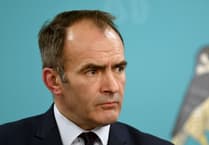
He said: ’The number of pupils in receipt of free school meals has increased by 29% since 2010, at the same time the pupil roll has decreased by 185 (12%).
’The percentage of total school roll eligible for free school meals was 12.8% in 2010. It rose to a high of 17.5% in 2014-15. On November 1 2019, 16.8% of the school roll were eligible for free school meals.’
Since 2016-17, the budget allocated for free school meals has stood at £686,100.
The number of children receiving meals, in that time, has fluctuated between 2,031 and this year’s figure of 1,957. The highest total figure in the past 10 years was 2015-16, at 2,048.
In 2010-11, the budget for free school meals was £340,000. In 2015-16, prior to the increase to the current amount, the figure was £473,800.
The length of time a pupil remains eligible for free school meals will impact upon the budget level, Mr Cregeen said.
He added: ’The increase in numbers eligible for free school meals accounts for £200,000 of the budget increase, and a further £150,000 is as a result of an increase in the cost of a school meal.
’In 2010-11 the cost of primary meal was £1.85. This has increased by an average of 2% each year and the current cost is £2.30.
’In secondary schools the value has increased from £2.50 to £2.90.’
Eligibility for free school meals is a ’passported’ benefit, said Mr Cregeen, provided to children of families on means-tested benefits.
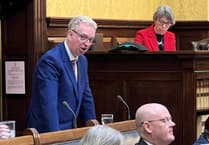
He was responding to a question tabled by Julie Edge (Onchan).
She later told the Examiner: ’I was shocked at the figures provided and the increase in free school meals being provided and that one in six children are in receipt of a free school meal.
’This is an indicator of the needs of a large number of families on the island.
’I am concerned that the costs have gone up 100% and the complaints of children leaving school hungry and something is clearly not working.’
Neal Mellon, a director of the Isle of Man Foodbank, said: ’I think it’s great that the island is able to identify children for free school meals and meet their needs.
’I imagine the increase is a combination of deteriorating incomes in the island and greater accuracy in government picking up and identifying children entitled for meals.
’The school meals seem to be great and offer a varied menu. However, I still have concerns for those children arriving at school hungry. A hungry child isn’t going to thrive physically, emotionally, socially or academically.
’Schools having breakfast clubs can make a difference. However, there’s a charge for this.’
He added: ’The Foodbank sponsors one school child a year at one of the primary schools in the island. This year we’re sponsoring our third child. We also supply food to nurture programmes.
’My greatest concern is for those children who cannot access free school meals because their parent or parents aren’t on appropriate benefits or aren’t entitled to benefits that include free school meals. Those in greatest need get the least support.’
He added that a fast track system is needed to help feed children once they are identified as ’most at risk’.
Comments
This article has no comments yet. Be the first to leave a comment.