

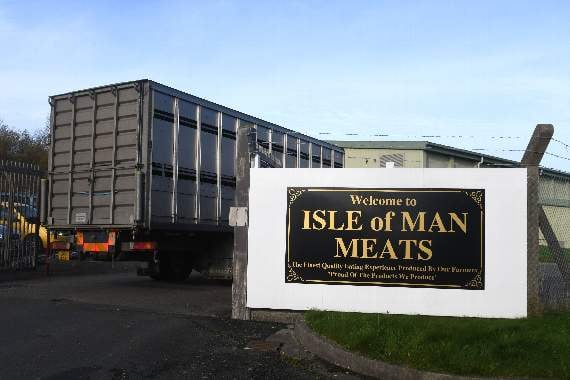
The loss-making Meat Plant should be put out to tender to find an alternative operator.
That’s the conclusion of a major review into the future of the government-owned and subsidised abattoir at Tromode which has seen losses spiral.
Farmers are being invited to a briefing next month on the possible options and proposed next steps. One of the four options is to close the plant and have an on-island mobile slaughter facility for sheep and pigs only.
The moves comes as it emerged that there has been a big increase in the number of beasts being exported for slaughter. Figures released in Tynwald last week show that sheep exports more than doubled in 2016 from just 8,062 to more than 20,504 while cattle exports rose from 2,627 in 2015 to 4,635 last year.
.jpeg?width=209&height=140&crop=209:145,smart&quality=75)
.jpeg?width=209&height=140&crop=209:145,smart&quality=75)
The briefing on the review of options for the Meat Plant takes place at Peel Golf Club on Thursday, February 9, starting at 7pm.
Figures released following a Freedom of Information request show that in 2015, the Meat Plant made a loss of £1,220,441, reduced to £587,941 after payment of the government subsidy of £632,000. Figures for 2016 have not yet been disclosed.
DEFA appointed an industry expert in June last year to review the current operation.
The board of IOM Meats had requested the review, acknowledging that progress in meeting funding targets was not being achieved.
A steering committee made up of DEFA members, the Manx NFU, Isle of Man Meats and the Agricultural Marketing Society oversaw the process, which identified a comprehensive list of options, including closure.
A number of potential options were modelled and costed out and, from these, a short-list agreed.
The final report recognises the strategic importance of a Meat Plant and identifies the short-list of four potential options and their estimated costs.
These options are improved operation of the current business; a restructure of the business to add a retail and wholesale butchery; closure of the plant, with a mobile slaughter facility on-island for sheep and pigs, with cattle shipped for slaughter and meat returned for local consumption; and testing the market for alternative operators via a tender process.
The report concludes that going out to tender will identify the best possible operator for the agricultural industry, the local meat supply chain and the taxpayer.
DEFA said it is minded to pursue this option and is seeking views from the industry on the full list of options before proceeding.
Places at the briefing are limited, and those wanting to attend are asked to contact [email protected] or call 686045 to reserve a seat.
Comments
This article has no comments yet. Be the first to leave a comment.