
The living wage on the island is now £10.87, according to the government.
This rate reflects a weekly wage, before tax, of £413.21 and an annual salary of £21,487.
It has risen by 68 pence since last year.
The Manx Living Wage is a ’voluntary rate of pay that companies can choose to adopt to demonstrate their position as responsible employers, whereas the minimum wage is legally enforceable’.

.png?width=209&height=140&crop=209:145,smart&quality=75)


This year’s living wage is £2.62 an hour more than the island’s current minimum wage of £8.25 for over 18s.
It also compares with £9.50 for the UK living wage and £10.85 for the London living wage.
This would amount to an annual increase of £5,185 for a full-time employee in the island who moved from the minimum wage to the living wage.
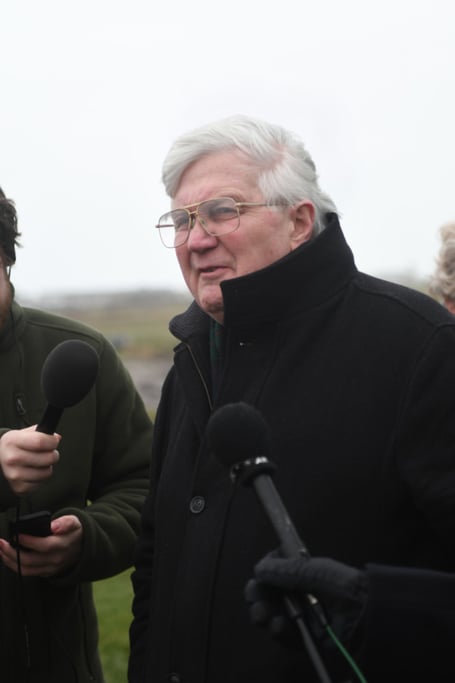
Bernard Moffatt, a Manx nationalist and former trade unionist, feels the living wage is problematic.
He said: ’The problem with the living wage is that it is aspirational.
’It depends on the goodwill of employees to enforce it.’
He stated the government’s website makes it clear the living wage is not mandatory but setting a figure encourages confusion.
’This confuses the issue because people hear a benchmark figure for the living wage and think it’s mandatory whereas the minimum wage is the only legal benchmark and that’s much lower.
’If the government wishes to aspire to a figure for a living wage they would be better looking at the introduction of a decency threshold in terms of income such as has been mooted periodically by Pan European bodies.’
Mr Moffatt claimed the living wage was an ’illusion’.
’The fact is today that the living wage is an illusion because it is not mandatory and in any case even if it was applied it would still leave workers at the at-risk-of-poverty threshold where a lot of Manx workers are today,’ he said.
Claire Christian MHK for Douglas South expressed she hoped businesses would ’work towards it’.
She said: ’I understand in this post pandemic period it will be hard for most businesses to either move to the living wage or make the increase if they were already paying the living wage, but hope that over time as revenue recovers more businesses will work towards it.
’What I would like to see is a body of work done by the department to monitor and establish the benefits for businesses who are operating paying staff the living wage.
I would hope to see a fall in staff retention, and workers reporting being able to buy more goods and save.’
Mrs Christian added: ’Having experience in running a small business, in the early years we were unable to achieve paying the living wage, but in the past two years, we have been able to progress to paying a living wage as a minimum level, and has been well received by employees.’
Tim Crookall, who is standing in the forthcoming general election, took to social media to express his distaste in it.
He said: ’£10.87 [per hour] for employees would finish a lot of the smaller businesses.
’They don’t make that much profit and especially after the last 18 months.’
Comments
This article has no comments yet. Be the first to leave a comment.