
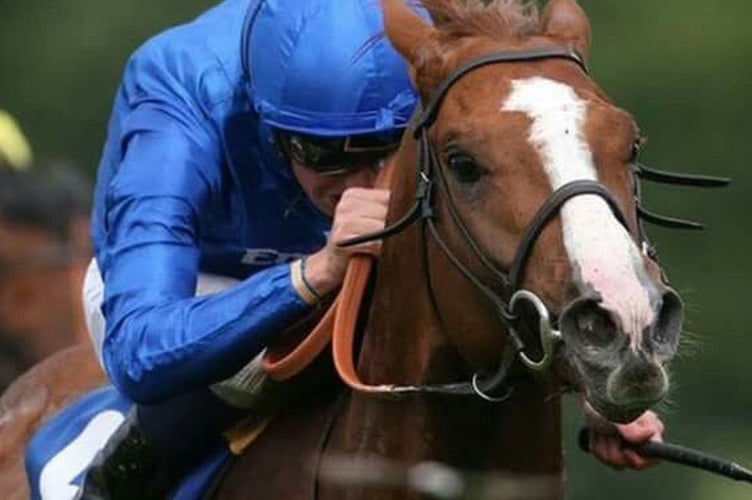
The welfare of thoroughbred horses involved in the horse racing industry has been a concern for as long as the sport has existed, not least because most racehorses are seen as commercial assets that need to ’pay their way’.
Some horse racing welfare standards have improved, such as the introduction several years ago of regulations that limit the amount of times a jockey can use a whip to make their horse go faster.
But what goes on behind the scenes still requires much more scrutiny, and a UK-based charity called Animal Aid (www.animalaid.org.uk) has been trying to shed light on what happens to many horses once their racing career is over.
As long ago as 2007 the charity was posting undercover footage of racehorses being slaughtered in UK abattoirs in significant numbers, with questionable welfare standards.
.jpeg?width=209&height=140&crop=209:145,smart&quality=75)

.png?width=209&height=140&crop=209:145,smart&quality=75)

In July of this year the BBC’s Panorama programme featured the charity’s video footage of horses being slaughtered at an abattoir in England.
The covert cameras captured dozens of former racehorses being shot, the majority of them from Ireland and the majority young.
The cameras also captured what appear to be breaches of rules designed to protect animals from unnecessary cruelty: for example, the regulations say that horses should not be killed within sight of each other, but the footage recorded horses being shot together 26 times over the four days of filming.
The regulations also say that every effort should be made to ensure a rapid death, but the footage showed that sometimes the death was far from instant.
On 91 occasions the cameras recorded a slaughterman shooting horses from a distance, often with more than one bullet used to kill the animal.
The good news (and there is some good news in relation to this disturbing story) is that the British Horseracing Authority (the BHA) has just introduced a rule that, from January, any racehorse that has run in Great Britain will no longer be allowed to be slaughtered for food.
The BHA already had a code of practice in place that made it clear that the euthanasia of a racehorse should be performed either at the horse’s stable yard or in nearby suitable surroundings.
But it is clear, not least from the Panorama programme, that some racehorse breeders, trainers and owners have been ignoring this code of practice and transporting their horses (often for hundreds of miles) to abattoirs to be sold for consumption.
Let’s hope the new rule on racehorse slaughtering for consumption makes a difference, but it needs to be extended to horses that are bred and raced outside of the UK - most importantly, those that come from Southern Ireland.
And whilst animal welfare is a key issue here, one also wonders about the human health implications of racehorse meat entering the food chain.
Many racehorses are given chemical ’supplements’ to increase their performances, and doping continues to be a hotly-debated subject - with substances such as ketamine regularly associated with the sport.
The racing industry needs to take far more responsibility for horse ’wastage’ - ie. what happens to horses who can’t race.
A far bigger percentage of the billions of pounds generated by the sport should be directed towards retraining and rehabilitation of racehorses, so that they can go on to live lives as riding horses.
This is already being done on a limited basis by the charity Retraining of Racehorses (www.ror.org.uk) which tries to match up ex-racers with new owners in a range of disciplines, from dressage to polo.
If you’re looking for your next horse, then please consider one from the RoR website, but tread carefully because thoroughbreds need experienced homes and comprehensive insurance cover.