
‘Better a week too soon than a day too late.’
This is the phrase that every animal owner should remember, because at some point it is very likely that they will have to make a decision about euthanasia. It’s the hardest part of animal ownership and one that needs to have the animal, not the human, at its centre.
Animals have no concept of future veterinary outcomes – they experience only the present and their reality is framed by their level of comfort, their pain, their environment and their ability to express natural behaviours. An owner must consider what is truly best for their animal, with objectivity based on certainty rather than hope.
A decision to delay euthanasia can sometimes be driven by the emotional needs of an owner, who sees ‘letting go’ as a personal failure or who waits for the animal to let them know ‘when the time is right’.
Sometimes this mindset can be viewed as perseverance or dedication, but what really matters is not the story we tell at the end but the experience that animal has endured along the way.
Choosing to let go is not giving up on an animal – it is choosing the animal over ourselves.
Another way to look at a decision to euthanise is whether the animal is having more bad days than good days, and when that happens it’s time to say good-bye. If an animal is having to go through several bad days just to get to one good one, then is that a good quality of life?
Another consideration is whether the animal is able to enjoy activities they previously adored – do they want their food; are they happy to see you – or are they just existing?
And given animals live in the present, they don’t have the desire to live for just a few more months. All they know is the discomfort they are in at that time.
As the winter months approach, horse and pony owners will be reflecting on whether it’s fair to let an old or fragile animal endure the wet, windy and muddy conditions that lie ahead.




Planning an animal’s euthanasia several weeks in advance can seem like a betrayal of trust, but it’s quite the opposite. It is the single most compassionate thing an owner can do.
The British Horse Society (BHS) is there to help with its ‘Friends at the End’ service which gives impartial guidance to owners, helps with planning, and provides emotional support. It can be contacted on 02476 840517 or [email protected], and it’s a free service available to people whether they are a BHS member or not.
The Blue Cross animal charity also offers support to owners who are experiencing bereavement, and its free ‘Pet Loss Support’ helpline can be contacted on 0800 096 6606.
Grieving the death of an animal is, for many owners, as bad, if not worse, than grieving the loss of a human family member.
Grief can take months or years to overcome, or may be something an owner lives with forever, but there are some ways to ease the pain: talk about your animal with someone you trust; create a memory box with photos and items that you associate with your animal (a brush, a collar, a toy, etc.) and maybe a small clipping of hair or fur.
Perhaps plant a tree in a favourite spot, or create a memorial; or make a donation to charity in memory of your much-loved companion.
There’s never a right time to get another companion animal – some owners need to fill the gap left in their lives straight away; whereas some people simply can’t face losing another pet.
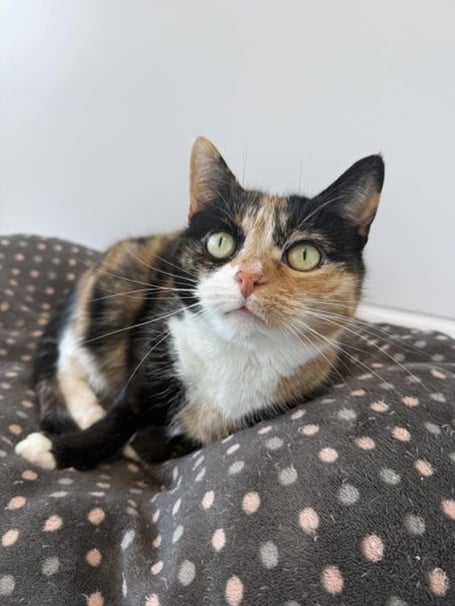
- The MSPCA has lots of cats, several dogs and two rabbits looking for their ‘forever homes’, including Arly who has been with us for 18 months.
She’s 10 years old and came to us because her owner became unwell, but her aloof nature (her ‘cattitude’) has meant that potential adopters have chosen friendlier cats over her.
She will need to be the only pet in a household, with a human to call her own. If this could be you, please email the cattery at [email protected]