
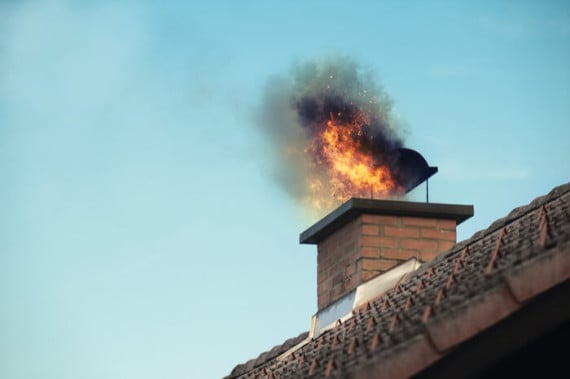
The fire and rescue service’s latest column focuses on chimney and wood burning stoves.
We are coming to the time of year when the temperature starts to drop and the nights are drawing in.
Time to think about lighting our fires, so we need to have a think about chimney safety and getting them swept.
Chimneys need to allow the free passage of dangerous combustion gases. Regular sweeping will remove soot, bird nests, cobwebs and any other blockages, it also removes creosote, which will help to prevent dangerous chimney fires.


.jpeg?width=209&height=140&crop=209:145,smart&quality=75)

Having your chimney swept will also help to increase the efficiency of appliances.
The frequency of chimney sweeping will depend on a number of factors which include the type of fuel used, the appliance, the duration of use, the moisture content of wood fuel, and the type of chimney that you have.
The following sweeping frequencies are for guidance purposes only:
Smokeless fuel: At least once a year
Wood: quarterly when in use
Bituminous coal: quarterly when in use
Oil: once per year
Gas: once per year
There has been an increase in popularity of wood burning stoves recently. If you are thinking of getting a wood burner please ensure that it is installed by a competent person, following the maker’s instructions and the building regulations and codes of practice.
If you already have a wood burner please be mindful of the storage of your wood and other combustible materials, wood or combustibles should never be stored next to or near to a stove. The appliance can get very hot and the heat can transfer and could cause smouldering or a fire.