
A charity has compiled a red list of birds whose population is declining on the island.
Manx BirdLife created the Birds of Conservation Concern in the Isle of Man study which assessed the conservation risk to 166 resident and frequently visiting species.
Of these, 48 have been established as being in the most danger.
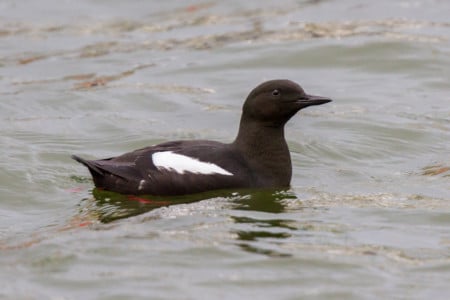
Puffins, oystercatchers, barn owls, black guillemot are some of the birds all on the red list.
.jpeg?width=209&height=140&crop=209:145,smart&quality=75)
.jpeg?width=209&height=140&crop=209:145,smart&quality=75)
.jpeg?width=209&height=140&crop=209:145,smart&quality=75)
.jpeg?width=209&height=140&crop=209:145,smart&quality=75)
Neil Morris, managing director of Manx BirdLife and director of the BoCCIoM 2021 project, said: ’The assessment reveals the state of wild birds in the Isle of Man.
’Overall, it is not a happy picture. Our birds are being pushed off the island, their habitats are disappearing and their populations are declining.
’Diversity and abundance are probably at a historic low.’
Seabird populations, such as puffins, are declining due to the changes both locally and globally to their marine environment.
Birds that nest on the ground - such as curlew, lapwing and skylark - are also threatened because of loss of habitat, disturbance and predators.
Mr Morris continued: ’We are indebted to Chris Sharpe who undertook the mammoth task of compiling all the data for the assessment.
’And we are grateful to the Scheinberg family for their support and to the many people who over the years have helped to collect the datasets needed to produce this seminal assessment.’
The charity has also created an amber list for species that are of moderate concern, with 68 species, and a green list for 50 birds that are of the least concern.
The project also includes a black list of species that no longer breed on the island, which now has 14 species listed on it. Criteria to classify a species of bird includes how the population has changed over time, how often the birds are breeding on the island and the current European and global conservation status of the species.
Birds are then red or amber listed if one or more of the criteria reaches a defined threshold.
Manx BirdLife also thanked the seasonal and volunteer surveyors who have undertaken the fieldwork and reporting required to amass the information used in this first ever BoCCIoM assessment.
The full results of the assessment are available on Manx BirdLife’s website at http://manxbirdlife.im/bocciom/
Comments
This article has no comments yet. Be the first to leave a comment.